
Nanosheet Hybrid Material Converts Sunlight to Hydrogen Peroxide
Researchers have developed a novel hybrid material using nanoarchitectonics to convert sunlight, air, and water into hydrogen peroxide. The material integrates a semiconductor with biological components for efficient chemical production.

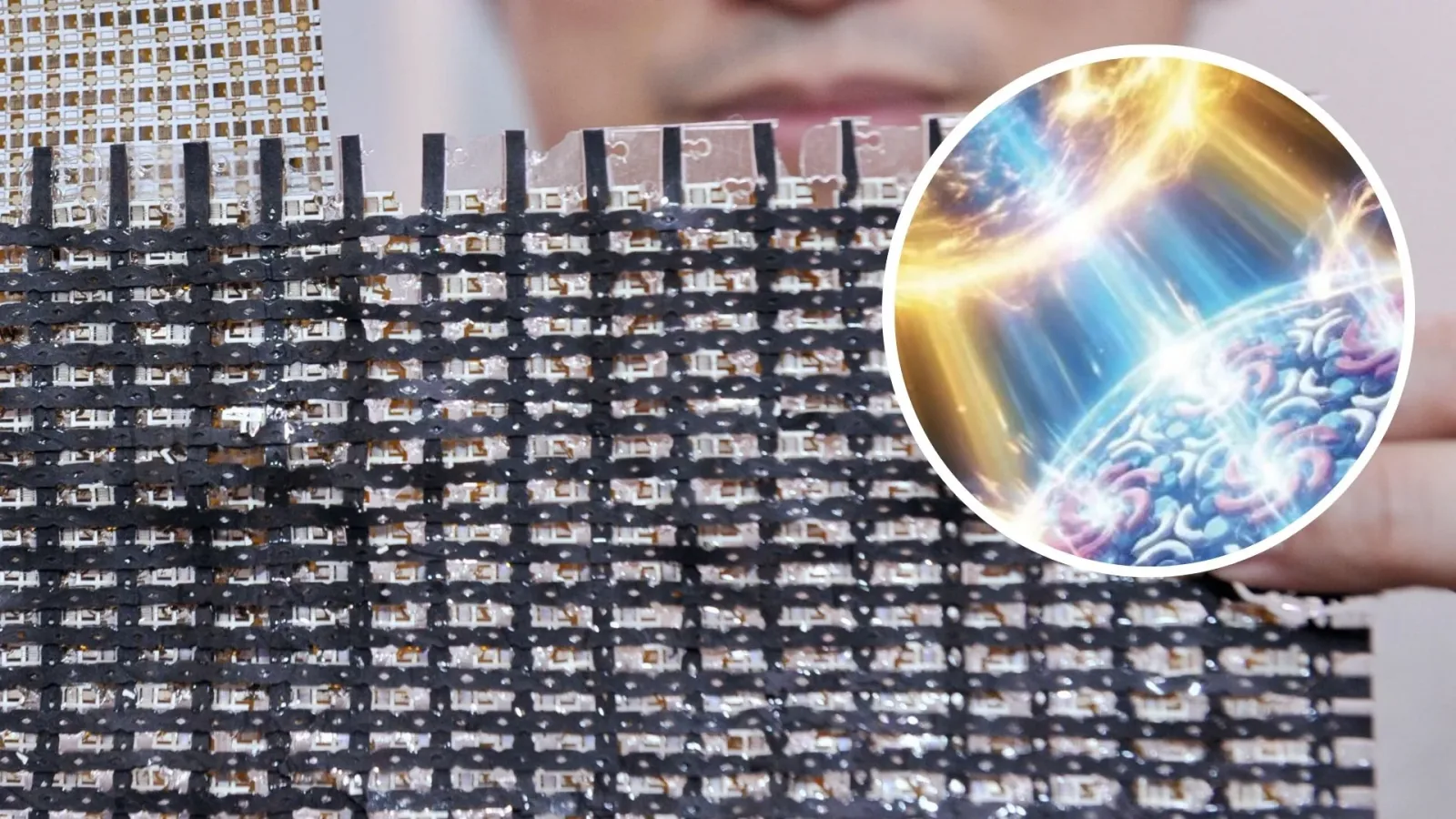
Scientists have engineered a groundbreaking hybrid material capable of producing hydrogen peroxide using sunlight, air, and water, employing a sophisticated technology known as nanoarchitectonics. This innovative approach leverages nanoscale building blocks to construct functional materials, often inspired by biological systems, to create valuable chemicals under mild conditions. The development represents a significant step forward in sustainable chemical synthesis.
The material, detailed in the Journal of the American Chemical Society, consists of layered nanosheets, each about 200 nanometers thick—roughly 500 times thinner than a human hair. These nanosheets form an integrated system combining bismuth oxychloride, a synthetic semiconducting material, with patches of a purple membrane. The purple membrane is a light-absorbing biological component derived from salt-loving microorganisms called archaea. When exposed to light, the purple membrane functions as a biological solar panel, capturing light energy and driving the movement of protons and electrons at the interface with the bismuth oxychloride. This process enables the semiconductor to convert oxygen from the air and water into hydrogen peroxide.
Sustainable Production at Ambient Conditions
The hybrid system demonstrated a remarkable increase in hydrogen peroxide production, yielding over five times more than the semiconductor material alone. This efficiency stems from the synergistic interaction between the biological and synthetic components. "Our system operates at ambient conditions and uses only inexpensive, abundant materials," stated Elena Rozhkova, a scientist at Argonne National Laboratory's Center for Nanoscale Materials (CNM). "If we were to do the same reaction industrially, it would require high energy input and more complex catalytic systems. Our approach shows how carefully designed nano-bio interfaces can direct chemical reactions under mild conditions."
This method bypasses the need for high energy inputs and complex industrial catalytic systems typically required for similar reactions. The use of readily available and inexpensive materials further enhances the sustainability and economic viability of the process. The research team, including Argonne postdoctoral appointee Jinhyeong Jang, highlighted the broader potential of this technology. Jang remarked, "Nanoarchitectonics is on par with artificial intelligence and quantum information science as one of the most important technologies of the 21st century. Our work demonstrates that we can use it to tune living systems for functional purposes."
The research specifically reports a new nanoarchitectonic system integrating bismuth oxychloride (BiOCl) nanosheets with purple membrane (PM) patches. This resulting PM–BiOCl hybrid nanosheet structure efficiently converts dioxygen into hydrogen peroxide through a two-electron and two-proton transfer process under ambient conditions. Additionally, the material demonstrates the capability to convert ethylene glycol into value-added chemicals concurrently. The development of such bio-inspired materials opens new avenues for green chemistry and sustainable manufacturing, offering a more environmentally friendly alternative to traditional chemical production methods.