
Green Tech and 2026 Election: Sustainability on the Ballot
As November 2026 reshapes Congress, clean energy and climate policy emerge as deciding factors for voters nationwide. Green technology innovations and corporate sustainability commitments are reshaping the political landscape.

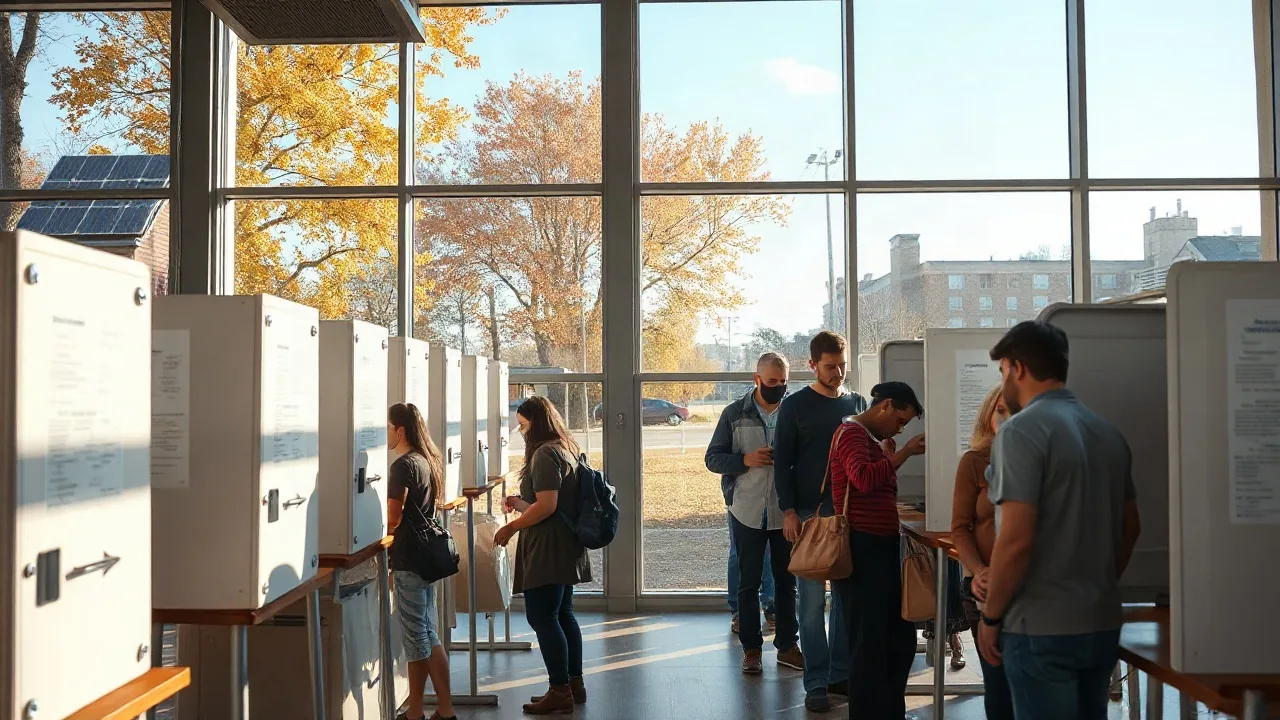
Voters across America cast ballots on November 4, 2026, with clean energy and climate action emerging as unexpected central themes in races from coast to coast. Unlike prior election cycles, green tech companies, renewable energy advocates, and corporate sustainability officers have invested unprecedented resources in messaging and candidate support, signaling that environmental innovation is no longer a niche platform issue.
The shift reflects a maturing market. Solar and wind installations now represent the fastest-growing energy sectors in the US, with cumulative renewable capacity exceeding 1,400 gigawatts according to the National Renewable Energy Laboratory. Battery storage adoption has accelerated 35 percent year-over-year through mid-2026, driven partly by corporate net-zero pledges and partly by consumer demand for grid resilience.
Major tech and energy corporations have mobilized political action committees and grassroots campaigns in key swing districts. Tesla, NextEra Energy, Brookfield Renewable, and Ørsted have each donated to candidates explicitly supporting federal investment in grid modernization and clean energy tax credits beyond 2026.
Political Divisions Over Energy Policy
Energy policy has fractured along unexpected lines. While traditional climate advocacy groups emphasize decarbonization targets and environmental justice, manufacturing-focused unions and rural representatives have aligned with green tech firms on workforce development. Both Democrat and Republican candidates in Rust Belt states, particularly Ohio and Pennsylvania, have competed for endorsements from battery gigafactory operators and supply-chain manufacturers.
"The 2026 election is less about climate ideology and more about industrial policy," says Dr. Jennifer Zhao, senior fellow at the Brookings Institution's Energy Security Initiative. "Voters are choosing between competing visions of who builds batteries, who installs solar panels, and which regions capture manufacturing jobs."
Competing narratives have fragmented the landscape:
- Democratic incumbents emphasize federal climate action funding and environmental justice provisions in renewal contracts.
- Republican challengers highlight domestic supply chains, energy independence, and lower electricity costs.
- Libertarian and independent candidates have focused on grid decentralization and consumer choice in energy markets.
Regional priorities have dominated discourse over national commitments. In California, 85 percent of ballot initiatives reference electric vehicle charging infrastructure or building electrification. In Texas, GOP and Democratic candidates alike have debated grid reliability and battery backup systems, overshadowing traditional partisan divides on fossil fuels.
Corporate Sustainability and ESG on Trial
The 2026 cycle has become a referendum on corporate ESG commitments. Several candidates have directly attacked major corporations' net-zero pledges as performative, while others have defended business-led climate action as practical and cost-effective compared to government mandates.
BlackRock, Vanguard, and State Street have faced shareholder activism from both environmental and anti-ESG factions. Conservative politicians have run on platforms restricting state pension funds from ESG-weighted investing, while progressive candidates have demanded higher disclosure standards and enforcement mechanisms against greenwashing.
The American Clean Power Association reported that 73 percent of their member companies donated to candidates across both major parties in 2026, reflecting uncertainty about legislative direction. Investment firms tracking election outcomes have flagged renewable energy and battery stocks as highly sensitive to Tuesday's results, with consensus estimates suggesting 10-15 percent price swings depending on final seat allocations.
Corporate sustainability leadership has become a campaign liability in some districts. Oil and gas executives from Houston to Oklahoma City have publicly disowned net-zero commitments made in 2023-2024, citing political and investor pressure. Meanwhile, private equity firms backing battery and hydrogen startups have intensified spending in districts where energy policy determines capital allocation and permitting timelines.
Voter Priorities and Green Tech Adoption
Exit polling from early voting and absentee ballots suggests energy costs, grid reliability, and manufacturing jobs rank above traditional environmental concerns for swing voters. In suburban districts outside Phoenix, Atlanta, and Charlotte, clean energy infrastructure and job growth have driven support for local ballot measures tied to municipal renewable targets.
Youth voters have shown mixed engagement. While 18-29 year-olds continue to prioritize climate policy, their turnout intensity on the issue has declined compared to 2024, with housing affordability and inflation emerging as competing priorities.
The results announced over the coming hours will directly shape federal funding for grid modernization, tax credit extension, and workforce development programs. Energy sector analysts expect immediate market reactions and shifts in corporate political strategy as the new Congress takes shape in January 2027.
Whether green technology becomes a bipartisan infrastructure priority or returns to partisan contestation depends on seat allocation and emerging legislative coalitions. The 2026 election has demonstrated that sustainability and energy policy are no longer peripheral campaign topics but central to voter decision-making across regions and demographics.