
Earth's Climate Vital Signs Deteriorate Amid Intensifying Change
A new report indicates Earth's vital signs are in serious decline due to escalating climate change. Scientists warn that extreme weather events are becoming more frequent and intense, signaling a worsening global condition.

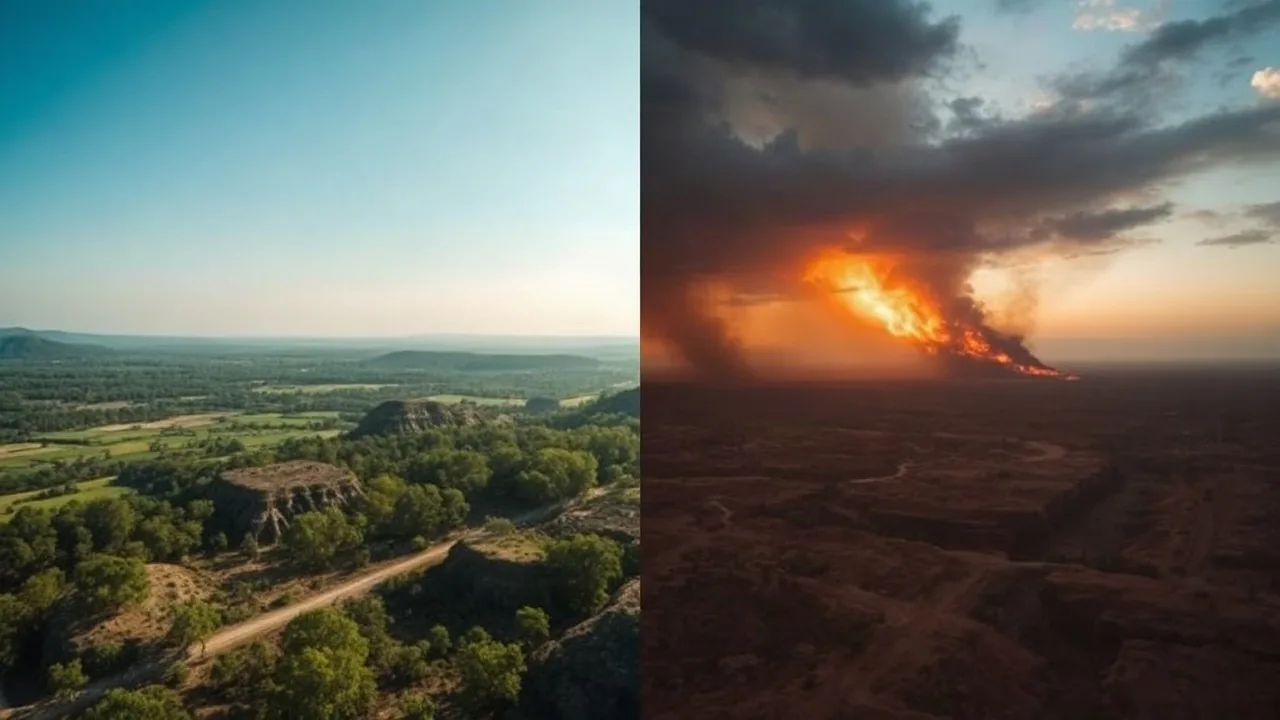
Earth's health is deteriorating significantly, with a comprehensive new report highlighting a worsening global condition driven by intensifying climate change. Scientists are issuing a stark warning that key environmental indicators, or "vital signs," are reaching unprecedented extremes. This assessment comes as the planet braces for potential impacts from phenomena like El Niño, which could further exacerbate existing challenges.
The findings paint a concerning picture of a planet under severe stress. Many of Earth's critical systems are exhibiting signs of strain, with impacts ranging from record-breaking temperatures to more frequent extreme weather events. These developments are not isolated incidents but rather part of a larger, accelerating trend that scientists are struggling to keep pace with. The report underscores the urgency of addressing the root causes of climate change.
Global Indicators Reach New Extremes
Specific metrics used to gauge the planet's health are showing alarming trends. For instance, global average temperatures continue to climb, contributing to widespread heatwaves and altered precipitation patterns. The melting of glaciers and ice sheets is accelerating, leading to sea-level rise that threatens coastal communities worldwide. Atmospheric carbon dioxide concentrations remain at historically high levels, trapping heat and driving further warming. The report details how these interconnected factors are pushing ecosystems to their breaking point.
Scientists involved in the assessment emphasized the interconnectedness of these vital signs. "We are seeing a convergence of multiple crises," stated Dr. Anya Sharma, lead author of the report. "The temperature records, the extreme weather, the ocean acidification – they are all linked and are amplifying each other. It’s a complex system, and the feedback loops are becoming more pronounced." This interdependency means that improvements in one area do not necessarily offset declines in another, creating a daunting challenge for mitigation and adaptation efforts.
The report also addresses the increasing frequency and intensity of extreme weather events. Hurricanes are becoming stronger, wildfires are more widespread and destructive, and droughts are more prolonged in many regions. These events not only cause immense human suffering and economic loss but also disrupt natural ecosystems, further contributing to the planet's overall decline. The Washington Post was among the outlets reporting on the dire findings.
One of the key takeaways is the speed at which these changes are occurring. While climate change has been a recognized threat for decades, many scientists now believe the pace of warming and its associated impacts have accelerated beyond previous projections. This rapid escalation makes it increasingly difficult for both natural systems and human societies to adapt. The report calls for immediate and significant global action to reduce greenhouse gas emissions and transition to sustainable energy sources.
The looming presence of El Niño, a climate pattern characterized by warmer-than-average sea surface temperatures in the tropical Pacific Ocean, adds another layer of concern. Historically, El Niño events can lead to significant shifts in global weather patterns, often resulting in record-breaking temperatures and more extreme conditions in various parts of the world. Its potential intensification due to underlying global warming trends could push already stressed systems beyond their resilience thresholds. This forecast adds urgency to the scientists' calls for action.
The implications of these findings extend to biodiversity, food security, and public health. Stressed ecosystems are less able to support the variety of life they once did, and changing weather patterns can disrupt agricultural production, threatening food supplies. Furthermore, increased heat and the spread of vector-borne diseases pose growing risks to human health. Addressing Earth's condition requires a multifaceted approach that acknowledges these interconnected challenges and promotes global cooperation.