
Global Conservation 'Bright Spots' Offer Hope for Biodiversity
Researchers are identifying 'bright spots'—locations where conservation efforts are succeeding against the odds. These sites offer crucial insights into effective strategies for protecting biodiversity worldwide.

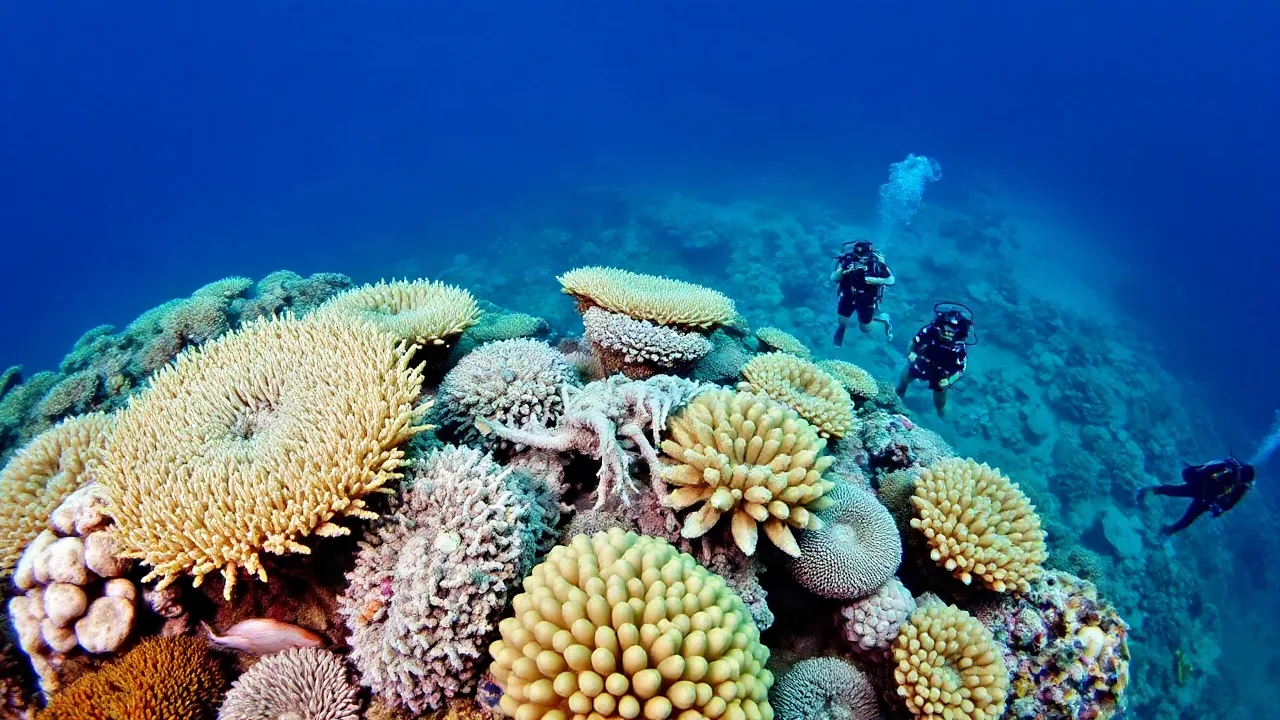
Conservation scientists have identified a growing number of "bright spots" across the globe, representing locations where wildlife and ecosystems are not only surviving but actively thriving despite significant environmental pressures. These success stories are providing invaluable lessons for future conservation initiatives, moving beyond a focus on diminishing resources and toward understanding what drives ecological resilience.
These "bright spots" are characterized by a combination of factors, often including strong community involvement, effective local governance, and innovative conservation practices. Unlike areas where decline is the dominant narrative, these locations demonstrate that positive outcomes are achievable, even in the face of challenges like climate change, habitat loss, and invasive species. The research highlights that dedicated local action, supported by broader scientific understanding, is a critical determinant of success.
Understanding the Drivers of Success
A key finding from the study of these areas is the crucial role of local communities. In many "bright spots," indigenous populations and local residents have been instrumental in protecting their environments, often possessing traditional ecological knowledge that predates formal conservation science. Their deep connection to the land and their direct stake in its health foster a unique commitment to conservation. This human element, often overlooked in top-down conservation approaches, is proving to be a powerful engine for positive change.
Dr. Eleanor Vance, a lead researcher on the project at the Global Biodiversity Institute, explained the significance of these findings. "For too long, conservation has been framed as a battle against inevitable loss. What we're seeing in these 'bright spots' is a testament to human ingenuity and dedication," Vance stated. "By studying these thriving ecosystems, we can identify the specific interventions and social dynamics that foster resilience, offering a more optimistic and actionable path forward."
The research team analyzed data from over 500 conservation sites worldwide, comparing those experiencing declines with those showing significant recovery or stable, healthy populations. They found that factors such as secured land tenure for local communities, access to reliable funding, and the presence of dedicated conservation organizations were consistently present in the successful "bright spots." Furthermore, adaptive management strategies, which allow for flexible responses to changing environmental conditions, were often employed.
One notable example cited in the study is a marine protected area in Southeast Asia, where a coalition of local fishing communities, researchers, and international NGOs worked together to combat illegal fishing and coral reef degradation. Through the implementation of strict monitoring, community-led patrols, and the restoration of mangrove forests, the area has seen a dramatic resurgence in fish populations and coral health over the past decade. This collaborative approach, combining local enforcement with scientific guidance, has become a model for other threatened marine environments.
The identification of these "bright spots" is more than just an academic exercise; it provides a tangible roadmap for conservationists globally. By focusing resources and efforts on understanding and replicating the conditions that foster success, rather than solely on mitigating failure, the field can make significant strides in preserving Earth's biodiversity. The shift in perspective offers hope and a renewed sense of purpose for those working to protect the planet's natural heritage for future generations.