
Stanford Scientists Achieve Rapid Coral Reef Recovery
Stanford University researchers have developed a groundbreaking method to rapidly restore bleached coral reefs. Their technique, detailed in a new study, offers hope for these vital marine ecosystems.

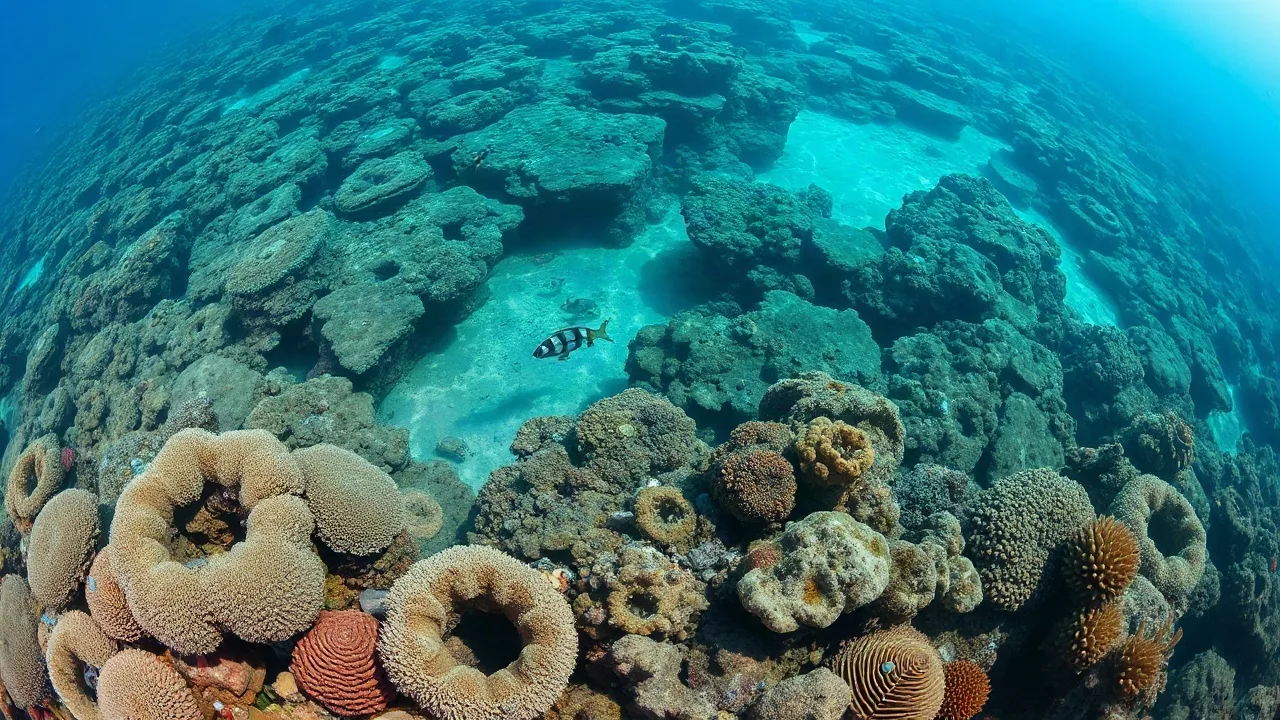
Stanford University scientists have pioneered a novel approach that promises to significantly accelerate the recovery of dying coral reefs, offering a beacon of hope for these critical marine ecosystems. The new research, published recently, demonstrates a method capable of leading bleached corals to a "fast and full recovery," potentially reversing the widespread damage caused by warming ocean temperatures and acidification.
The study, conducted by researchers at the Stanford Doerr School of Sustainability, focuses on a specific intervention that encourages the regrowth and re-establishment of coral colonies. While the exact details of the proprietary technique are not fully disclosed in the initial reports, the implications are profound, suggesting a viable pathway to mitigate the devastating effects of coral bleaching events that have plagued reefs globally.
Hope for Threatened Marine Ecosystems
Coral reefs, often referred to as the "rainforests of the sea," are vital for marine biodiversity and support an estimated 25% of all marine life. However, rising sea temperatures are causing widespread coral bleaching, a phenomenon where corals expel the algae living in their tissues, causing them to turn white and often leading to their death. This research addresses the urgent need for effective restoration strategies in the face of escalating climate change impacts.
Dr. Stephen Palumbi, a professor of biology at Stanford University and a lead author on the study, stated, "We are seeing unprecedented rates of coral bleaching and mortality around the world. This breakthrough offers a tangible solution, not just for conservationists but for the health of our oceans overall." The research builds upon years of investigation into coral resilience and adaptation, seeking to find ways to actively assist corals in their recovery process.
The scientific community has reacted with cautious optimism. Many experts acknowledge the severity of the coral reef crisis, with estimates suggesting that as much as 50% of the world's coral reefs have already been lost. If Stanford's method proves scalable and effective in diverse reef environments, it could revolutionize marine conservation efforts. Previous restoration attempts have often been slow, labor-intensive, and limited in their success rate, making this new development particularly significant.
The researchers are now focused on field trials to assess the long-term efficacy and scalability of their restoration technique. These trials will involve applying the method to different reef systems affected by varying degrees of bleaching and environmental stress. The goal is to determine optimal conditions for application and to ensure the method's sustainability and minimal impact on surrounding marine life. The success of these trials could pave the way for widespread implementation, potentially aiding in the preservation of these invaluable underwater habitats for future generations.