
AI Hardware Surges With Wearables, Robots, and Tabletop Gadgets
Despite early stumbles from devices like the Humane AI Pin and Rabbit R1, the AI hardware market is experiencing a resurgence. New devices focus on distinct AI use cases, moving beyond simple chatbots to AI agents capable of complex tasks.

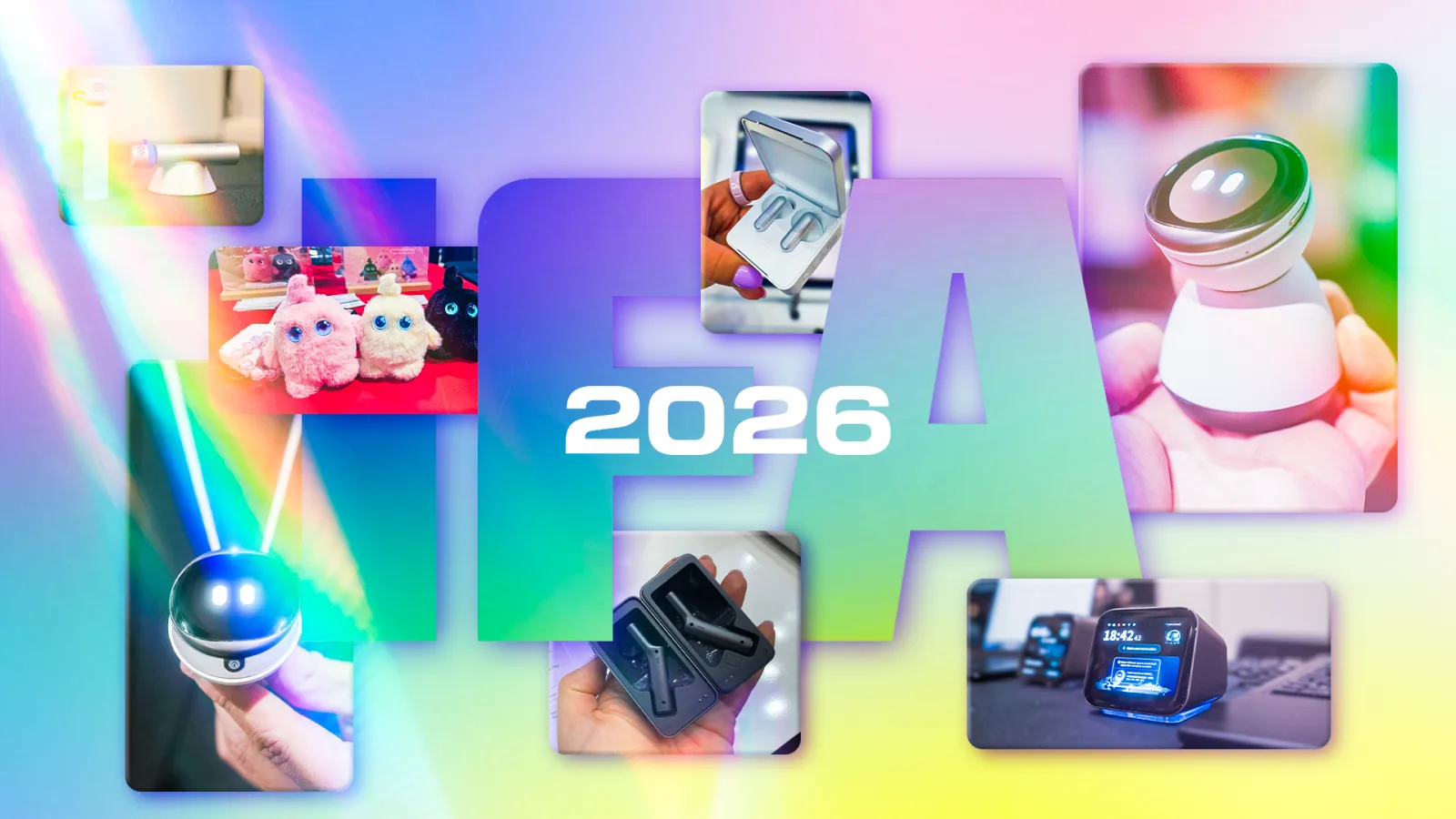
BERLIN – Two years after high-profile dedicated AI devices like the Humane AI Pin and Rabbit R1 failed to meet expectations, the market for AI-powered hardware is experiencing a significant boom. This resurgence was clearly on display at IFA 2026, the major consumer electronics trade show, where a diverse array of small devices built around artificial intelligence showcased a shift towards practical, specific AI applications rather than vague AI enhancements on existing tech.
Unlike the initial wave of products that merely added an "AI badge" with unconvincing claims, the new generation of AI hardware, including wearables, robots, and tabletop gadgets, is designed with distinct AI use cases in mind. These range from advanced note-taking and personal companionship to real-time health monitoring and sophisticated language translation. This focus on specific functionalities suggests a more mature approach to integrating AI into everyday objects.
A key factor driving this growth is the evolution from basic Large Language Models (LLMs), which primarily answer questions, to AI agents. These agents are capable of understanding context and proactively performing tasks on behalf of the user, making AI devices more than just extensions of a smartphone. While defining this new product category remains fluid, it generally encompasses hardware that doesn't fit neatly into established boxes like smartphones, smartwatches, or headphones. As Ben Hatton, a connected devices analyst at FDM CCS Insight, noted, "There is not necessarily a compelling winner from these factors, but the range of options will be key for more widespread adoption as consumers will demand different ways of using them."
The AI Hardware Wild West: Experimentation and Privacy Concerns
The current landscape of AI hardware is characterized by imaginative experimentation, attracting designers from influential tech backgrounds, including former Apple designer Jony Ive and ex-employees from the startup Nothing. Rumors suggest Ive is collaborating with OpenAI on a portable, doughnut-shaped speaker. The market already features a variety of form factors such as pins, pendants, earbuds, and bands, alongside developing robots, microphones, credit card-sized gadgets, and desktop modules.
Brandon Lutz, head of marketing for Europe at note-taking AI startup Plaud, emphasized the importance of robust software. "Hardware always is going to be a longer solution timeline than the software," Lutz stated. "Getting the software right first is more important than coming out with a device, which may need longer to bake." Plaud itself has launched three devices that integrate with its AI platform: a slim voice recorder, a wearable pin, and new headphones designed for call transcription and AI agent interaction. This diverse product line reflects Hatton's observation that consumers will favor different interaction methods, whether it's a wallet-sized card or a clip-on device.
With the proliferation of these new devices, privacy emerges as a critical consideration. Hatton advises consumers, "The most important question consumers should ask themselves when buying these devices is, where is my data processed and stored?" He identified privacy concerns as "the most significant hindrance" to the widespread adoption of AI hardware, underscoring the need for users to scrutinize privacy policies before purchase.
At IFA 2026, several standout AI devices illustrated the sector's innovation. The Relay Q, developed by former Nothing employees, is an AI microphone designed for exceptionally clear audio capture, enabling voice control of desktops for tasks like drafting emails. iKairos presented a modular system featuring a "neural core" device that can be worn as a pendant or integrated into a desktop robot. This system uses a camera with a physical shutter to capture environmental context for an AI agent, offering memory recall and daily life suggestions.
Plaud's new earbuds, the Plaud One, utilize an eSIM for recording and transcribing conversations and phone calls, with AI summaries and integration into platforms like Google and Slack. Violoop offers a unique solution by plugging into any computer to run an AI agent locally, processing screen data to execute tasks, which is particularly beneficial for older hardware lacking on-device AI capabilities. Switchbot introduced the AI MindClip, a wearable assistant powered by Alibaba's Qwen and compatible with major AI models, for generating reminders and summaries. Their Kata Mini keychain robot doubles as an AI companion and a controller for Switchbot's smart home products.
In the realm of translation, Timekettle's W4 Plus AI Interpreter Earbuds provide real-time translation for conversations, calls, and meetings, with improved performance for video content. Lastly, the Luna Band, while primarily an activity tracker, incorporates AI features that personalize its functionality based on sensor data, offering tailored daily suggestions.