
AI Memory Bottleneck: Cerebras Aims to Solve Shortage
A stealth startup is reportedly raising $400 million to tackle the AI memory bottleneck. Cerebras Systems is developing new memory solutions to boost AI processing power.

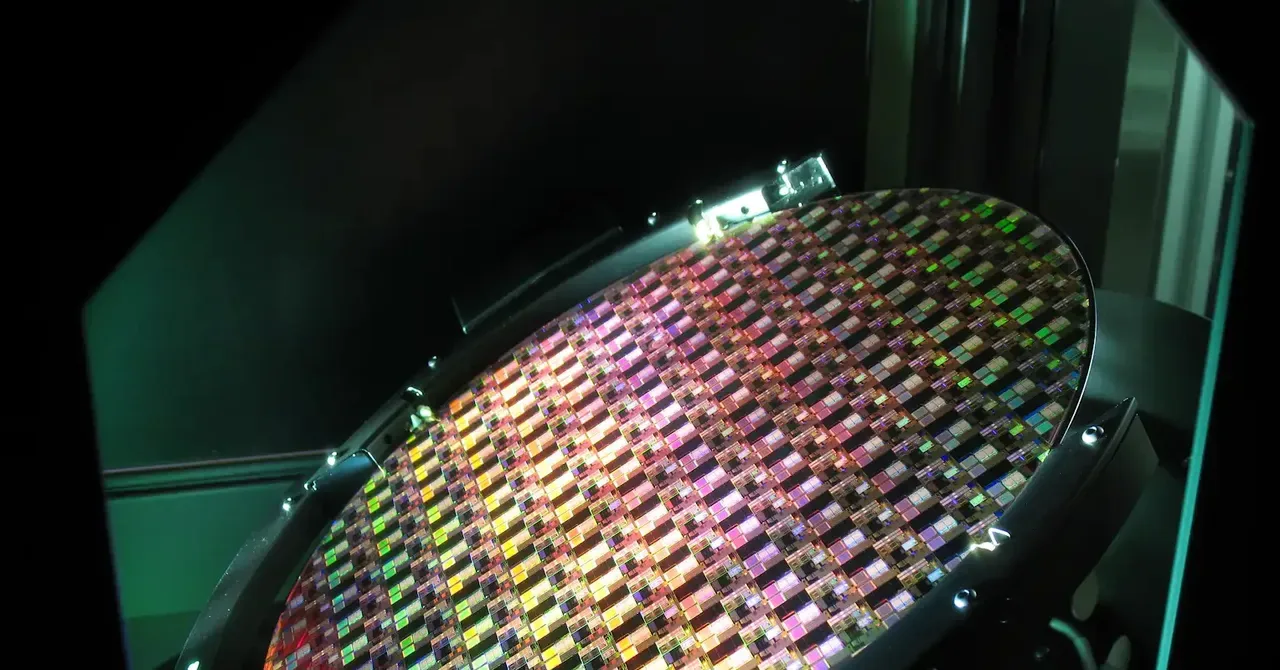
A nascent startup, rumored to be Cerebras Systems, is reportedly on the verge of securing $400 million in funding with a mission to alleviate the critical memory bottleneck hindering the advancement of artificial intelligence. This significant investment aims to fuel the development of novel memory technologies designed to dramatically enhance AI processing capabilities, a move that could reshape the landscape of AI hardware development.
The drive for more powerful AI models, capable of complex tasks from natural language understanding to sophisticated image generation, has created an insatiable demand for memory. Traditional memory architectures are struggling to keep pace with the rapid growth in AI model size and the computational intensity required for training and inference. This disparity has led to what is often termed the "AI memory bottleneck," where the speed and capacity of memory become a limiting factor, preventing AI systems from reaching their full potential.
Addressing the AI Hardware Challenge
Industry experts and AI researchers have long pointed to memory as a key area for innovation. "The architecture of memory is fundamental to how quickly and efficiently an AI can process information," explained Dr. Evelyn Reed, a senior research scientist at the Advanced Computing Institute, in a recent interview. "Without sufficient bandwidth and capacity, even the most powerful processors will be starved for data, significantly slowing down performance."
The potential new venture, while details remain scarce, is believed to be focusing on architectures that can integrate memory more closely with processing units or utilize entirely new materials and designs. Such approaches could reduce the physical distance data must travel, thereby cutting latency and increasing throughput. This is crucial for AI applications that require real-time data processing, such as autonomous vehicles, high-frequency trading, and complex scientific simulations.
The implications of solving the memory bottleneck extend beyond raw speed. Enhanced memory solutions could also lead to more energy-efficient AI systems. Data centers, which house vast arrays of AI hardware, are significant energy consumers. Innovations that reduce the amount of data movement and allow for faster processing could translate into substantial power savings, contributing to greener computing initiatives. This focus on efficiency is increasingly important as the demand for AI continues to skyrocket globally.
Reports suggest the funding round is attracting interest from major technology investors, underscoring the perceived importance of this technological challenge. If successful, this initiative could not only empower current AI development but also pave the way for next-generation AI capabilities that are currently only theoretical. The successful deployment of new memory solutions would allow AI models to grow larger and more complex, tackling problems previously considered intractable.