
AMD FidelityFX Super Resolution Enhances Frame Generation
AMD is reportedly developing an advanced version of its FidelityFX Super Resolution (FSR) technology, potentially offering up to 8x frame generation. This upgrade aims to significantly boost gaming performance by interpolating frames.

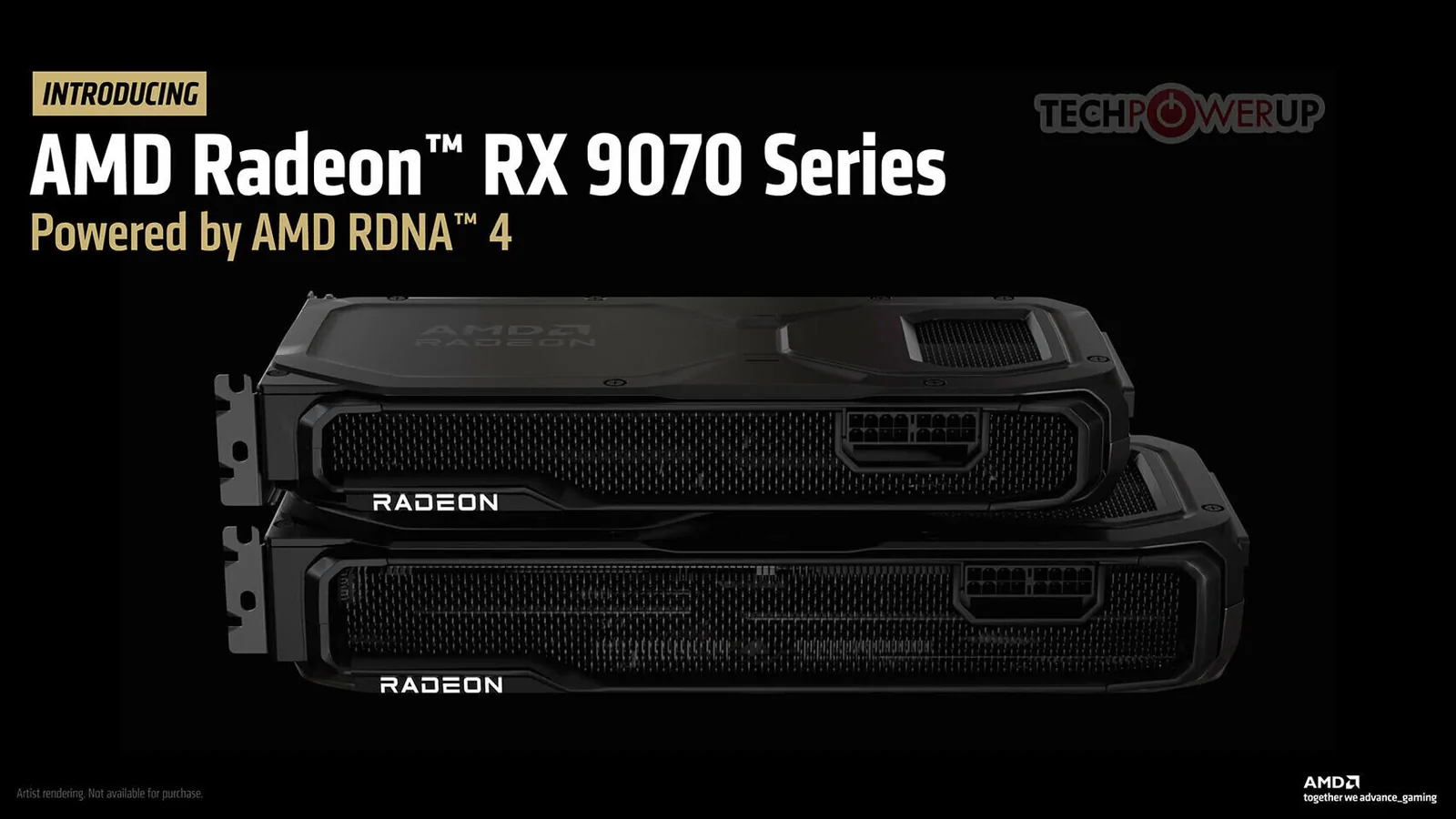
Advanced technology is currently in development at AMD that promises to significantly enhance gaming performance. The company is reportedly working on an updated version of its FidelityFX Super Resolution (FSR) upscaling suite, which could introduce a new multi-frame generation mode. This upcoming feature is expected to offer frame generation capabilities at an unprecedented scale, potentially reaching up to an 8x multiplier.
The current iteration of FSR, particularly FSR 3, already incorporates frame generation to increase frame rates in compatible games. This technology works by inserting newly generated frames between traditionally rendered frames, smoothing out gameplay and improving the perceived fluidity. The potential move to an 8x mode suggests a substantial leap forward, aiming to generate a much higher density of interpolated frames for even more dramatic performance uplifts.
Advancing Gaming Performance
The development of this advanced frame generation mode was first hinted at in code commits for the AMD driver stack. These commits point towards a system capable of generating multiple intermediate frames for each natively rendered frame. While details remain scarce, the prospect of an 8x frame generation multiplier has generated considerable excitement within the PC gaming community. Such a feature could make demanding titles more accessible on a wider range of hardware, potentially lowering the barrier to entry for high-fidelity gaming.
A key aspect of this advancement lies in how it will integrate with existing AMD hardware and software. FSR is designed to be an open-source solution, compatible with a wide array of graphics cards, including those from competitors. However, the most significant benefits are typically realized on AMD's own Radeon GPUs. The success of this new mode will depend on its ability to maintain visual quality while achieving these aggressive performance gains. Artifacts and visual inconsistencies are common challenges with frame interpolation, and AMD will need to ensure its solution is robust.
Contextually, the push for more advanced frame generation techniques is driven by the ever-increasing demands of modern video games. As developers create more visually complex and graphically intensive experiences, maintaining high and stable frame rates becomes more challenging. Technologies like FSR, alongside NVIDIA's DLSS Frame Generation, represent a crucial effort by GPU manufacturers to bridge the gap between what hardware can render and what players expect in terms of performance. This new development from AMD could set a new benchmark in this ongoing technological race.
Industry analysts suggest that enhanced frame generation could become a standard feature in future gaming hardware and software. The ability to significantly boost frame rates without requiring a proportional increase in raw rendering power offers a compelling value proposition for both consumers and developers. AMD's commitment to improving FSR demonstrates its dedication to providing competitive solutions in the rapidly evolving landscape of PC gaming technology.