
Apple's Foldable iPhone Duo Arrives, Facing Early Demand
Apple's highly anticipated foldable iPhone, dubbed the 'iPhone Duo', has officially launched in stores, with early reports indicating strong consumer demand despite its premium $2,000 price tag.

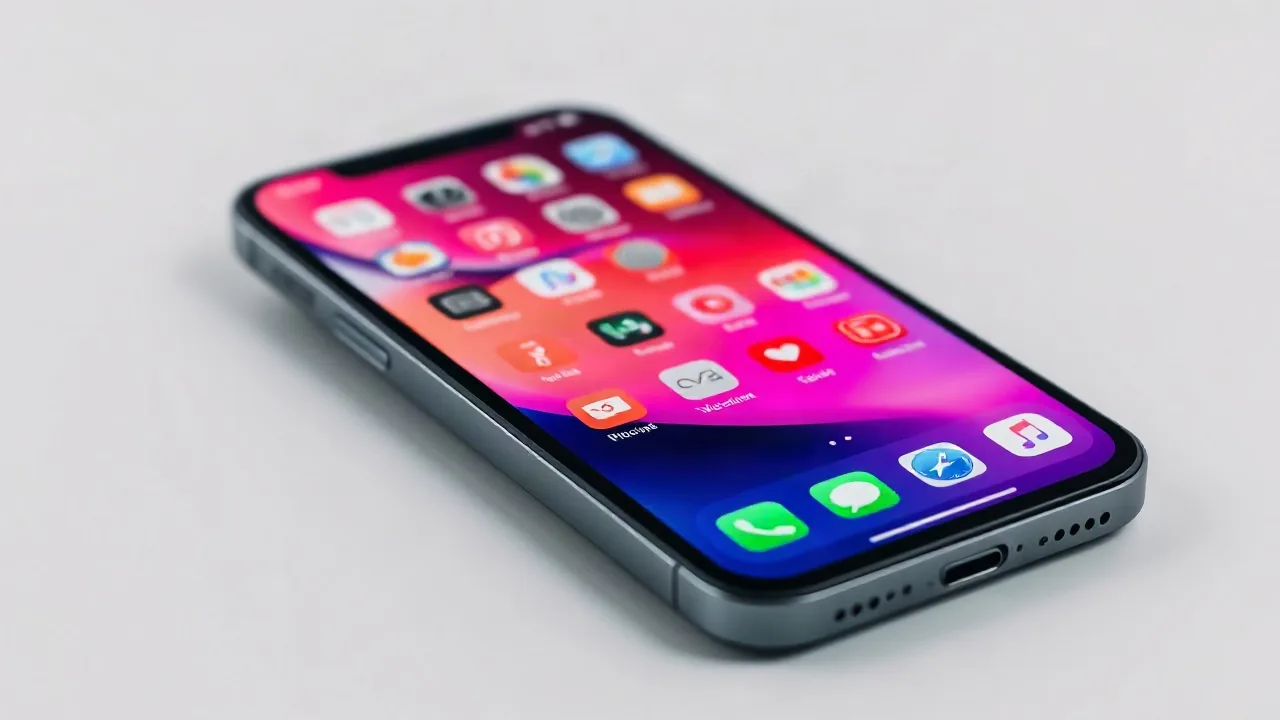
Apple's innovative foldable smartphone, the iPhone Duo, officially hit store shelves on October 23, 2026, drawing significant consumer interest. The device, priced at $2,000, marks Apple's entry into the burgeoning foldable market. Initial reports from retailers and carrier partners suggest a robust initial uptake, with some outlets experiencing rapid sell-through of initial stock.
The iPhone Duo features a novel design that allows it to fold, transforming from a standard smartphone form factor into a larger, tablet-like display. This dual functionality aims to capture users looking for both portability and a more expansive viewing experience. Early reviews have highlighted the device's premium build quality and the seamless integration of Apple's iOS ecosystem, but also noted the inherent challenges and compromises associated with first-generation foldable technology.
Early Demand and Consumer Reception
Despite the steep price point, sources close to Apple and major carriers have described the initial demand as unexpectedly strong. Lines were reportedly seen at select Apple Stores and authorized resellers in major metropolitan areas on launch day. Carrier partners, such as T-Mobile, have also noted a positive customer response, with promotional offers allowing for zero money down on approved credit aiming to ease the financial barrier for interested buyers.
Analysts suggest that the allure of a foldable iPhone, a product long rumored and highly anticipated, has generated considerable buzz. "Apple has a history of entering product categories later than competitors but capturing significant market share through refined design and user experience," said technology analyst Sarah Chen of TechInsights. "The iPhone Duo's launch is a crucial test of that strategy in the foldable smartphone segment."
However, this enthusiasm is tempered by the typical growing pains associated with new foldable form factors. Reviewers have pointed out potential durability concerns, such as the longevity of the hinge mechanism and the screen's susceptibility to scratches or pressure marks. The crease in the middle of the screen, a common characteristic of current foldable displays, has also been a point of discussion, though many users appear willing to overlook it for the novelty and functionality.
The iPhone Duo runs on a specialized version of iOS, optimized to take advantage of the folding screen. Apps can dynamically adjust their layouts, and features like split-screen multitasking are designed to be more intuitive on the larger, unfolded display. Apple has reportedly invested heavily in ensuring that its extensive app library is compatible with the Duo's unique form factor, a move intended to differentiate it from early competitors in the foldable space.
Looking ahead, the success of the Apple iPhone Duo will likely depend on its ability to overcome these initial hurdles and prove its long-term viability. The company's approach to software updates and potential future hardware revisions will be critical in shaping the consumer electronics landscape. For now, the initial strong demand suggests that Apple has, at the very least, captured the attention of its loyal customer base and the broader tech industry.