
Apple HomeView Tablet to Integrate YouTube, Netflix, and Other Video Apps
Apple's new HomeView tablet, priced at $299, is set to integrate popular video streaming services like YouTube and Netflix. The company is seeking partnerships to bring these apps to its dedicated home device.

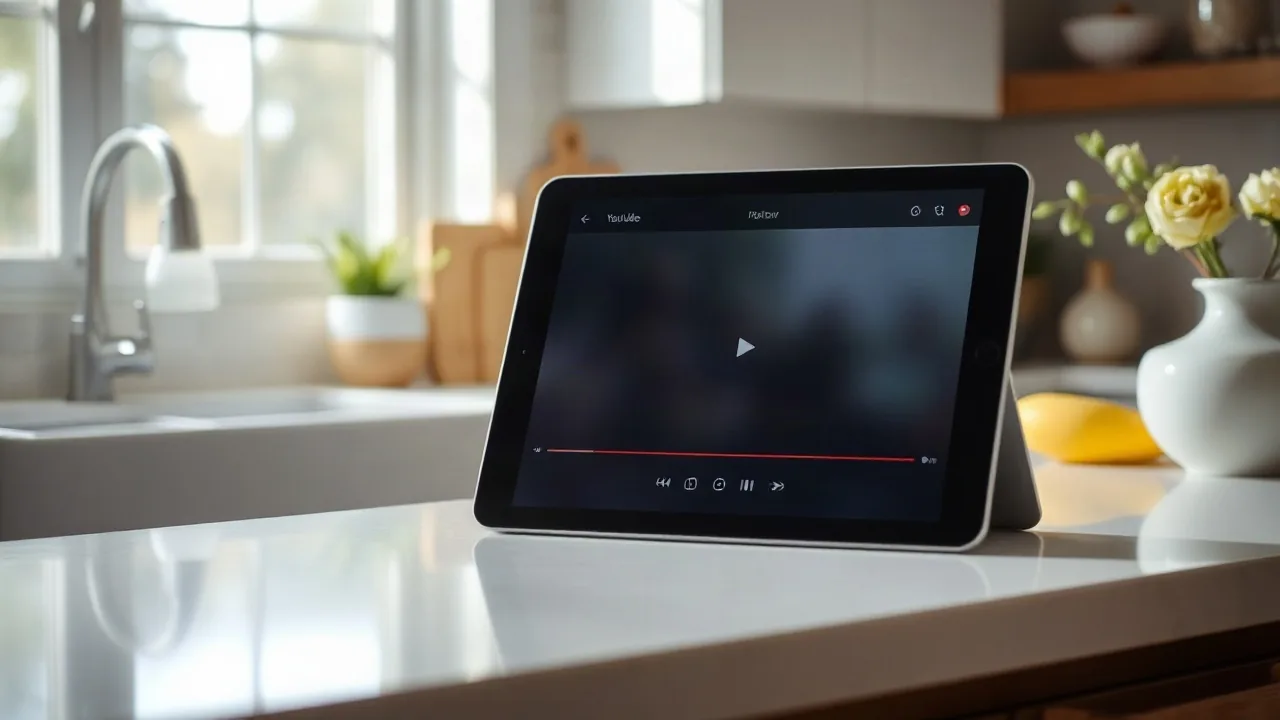
Apple officially unveiled its new $299 HomeView tablet on October 14, 2026, a device designed specifically for the smart home ecosystem. The company announced that the HomeView tablet aims to support major video applications, including giants like YouTube and Netflix, provided these platforms agree to integration. This move signals a significant expansion of Apple's hardware strategy into the connected home market.
The HomeView tablet, positioned as a central hub for smart home management, will initially feature Apple's own services. However, the true potential of the device hinges on securing third-party app support. Apple executives stated that the company is actively in discussions with content providers to bring their streaming services directly to the HomeView interface. The success of this strategy could redefine how users interact with entertainment and home control devices.
App Integration Strategy
According to sources close to the development, Apple's approach to app integration for the HomeView tablet is conditional. While the hardware is built to accommodate popular video players, the final decision rests with the app developers themselves. This includes assessing how their applications will perform and integrate within Apple's new dedicated home interface. The Cupertino-based technology giant is reportedly emphasizing user experience and seamless integration as key selling points to potential partners.
The potential inclusion of apps like YouTube and Netflix would transform the HomeView tablet from a simple smart home controller into a versatile media consumption device. This strategy mirrors the broader industry trend towards consolidating entertainment and smart home functionalities into single, user-friendly platforms. Apple's entry into this specific market segment, with a device focused on home utility and entertainment, could present a significant challenge to existing smart home ecosystems.
Apple's new hardware strategy, particularly with the HomeView tablet, appears to be a calculated move to capitalize on user trust in its ecosystem, especially as the AI era rapidly unfolds. By offering a secure and integrated platform, Apple aims to provide a compelling alternative to more open, but potentially less secure, smart home systems. The company's history of prioritizing privacy and security could be a significant advantage in convincing both users and app developers of the HomeView's merits.
John Ternus, head of Apple's hardware engineering, is reportedly leading the charge on this new initiative. His involvement underscores the company's commitment to making the HomeView tablet a flagship product in its evolving hardware lineup. The device is expected to ship with iOS 21, featuring optimized interfaces for video playback and smart home controls, with updates planned to enhance its capabilities post-launch.
The HomeView tablet's pricing at $299 positions it competitively within the smart display and tablet market. This price point, combined with the potential for robust app support and Apple's brand loyalty, could drive significant adoption. The company is also introducing the broader Apple Home Collection, a new suite of smart home accessories designed to work harmoniously with the HomeView tablet, further solidifying its smart home ambitions.
The success of the HomeView tablet will likely depend on the willingness of major players like Google (owner of YouTube) and Netflix to license their applications for integration. These decisions will be influenced by market reception, developer terms, and Apple's ability to demonstrate a clear benefit to both the content providers and the end-users. The initial launch will focus on core Apple applications and home management features, with third-party video apps to follow if partnerships are successfully established.