
Zelda: Ocarina of Time Remake Updates Classic Script
The upcoming remake of The Legend of Zelda: Ocarina of Time is set to introduce significant changes to the game's original script. These alterations aim to modernize dialogue and narrative elements for a contemporary audience.

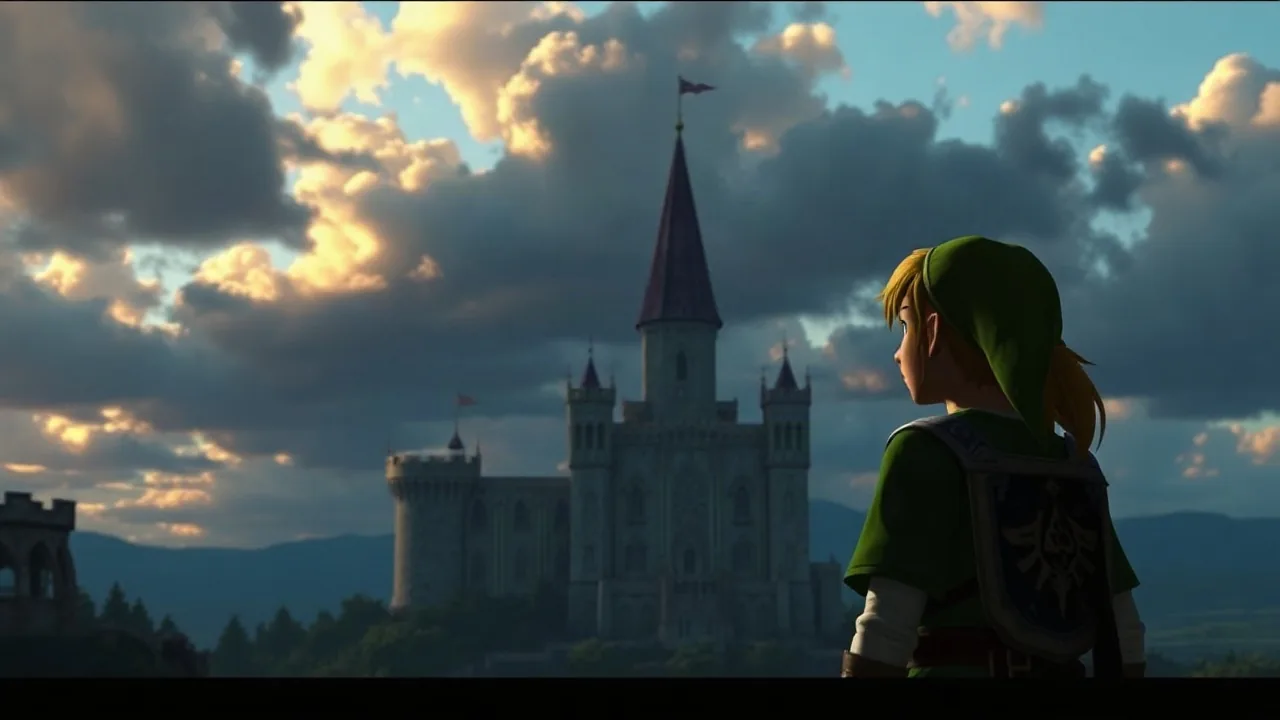
The highly anticipated remake of The Legend of Zelda: Ocarina of Time, slated for release in 2026, is poised to rewrite more than just its visuals; the game's script is also undergoing substantial revisions. Developers have confirmed that key dialogue and narrative sequences are being updated to resonate with a modern gaming audience while preserving the essence of the beloved 1998 Nintendo 64 classic.
Originally released in 1998, Ocarina of Time is widely considered one of the most influential video games ever created. Its story, following the young hero Link as he travels through time to defeat the evil Ganondorf, has captivated generations. However, certain narrative elements and dialogue, when viewed through a 2026 lens, may feel dated or less impactful. The remake aims to address this by carefully tweaking the script, a process that has generated considerable interest among long-time fans.
Details surrounding the extent of these script changes remain somewhat guarded, but sources close to the development suggest a focus on enhancing character motivations and refining the pacing of certain plot points. This approach seeks to deepen player immersion without fundamentally altering the core narrative structure that made the original so iconic. For instance, the interactions between Link and Princess Zelda, as well as the role of the sages, are reportedly being fleshed out.
Narrative Enhancements and Modernization
The decision to revise the script is a delicate balancing act. On one hand, Nintendo is keen to honor the legacy of the original game. On the other, they recognize the evolution of storytelling conventions in video games over the past nearly three decades. This endeavor involves meticulously reviewing every line of dialogue and every narrative beat to ensure it serves the overall experience effectively in the context of 2026 gaming standards.
Fans have expressed both excitement and trepidation regarding these modifications. Some are eager to see how the familiar story will be presented with updated language and potentially expanded lore. Others worry that changes might dilute the original's charm or introduce elements that feel inconsistent with the established world. However, the developers have emphasized that the goal is enhancement, not reinvention.
The original The Legend of Zelda: Ocarina of Time was groundbreaking for its time, introducing 3D gameplay mechanics and a narrative that felt more epic than many of its contemporaries. Its impact on the adventure game genre is undeniable, setting benchmarks for world design, combat, and puzzle-solving that are still emulated today. The upcoming remake, built on platforms like the Nintendo Switch, presents an opportunity to not only leverage modern technology but also to refine the narrative experience.
Specific examples of script changes mentioned by early reviewers include minor adjustments to Navi's pronouncements and more nuanced dialogue options during conversations with characters like Impa. The overarching quest to gather the Triforce pieces and thwart Ganondorf's plans remains the central focus, but the journey there is being polished. This meticulous attention to detail in the script changes underscores Nintendo's commitment to delivering a definitive version of a beloved masterpiece for a new generation.