
Apple's iPhone 18 Pro Strategy Shifts: Foldable, Spring Launches Planned
Apple is reportedly altering its iPhone launch strategy, potentially delaying the standard iPhone 18 to spring 2027 and introducing a foldable 'iPhone Ultra' alongside the iPhone 18 Pro models.

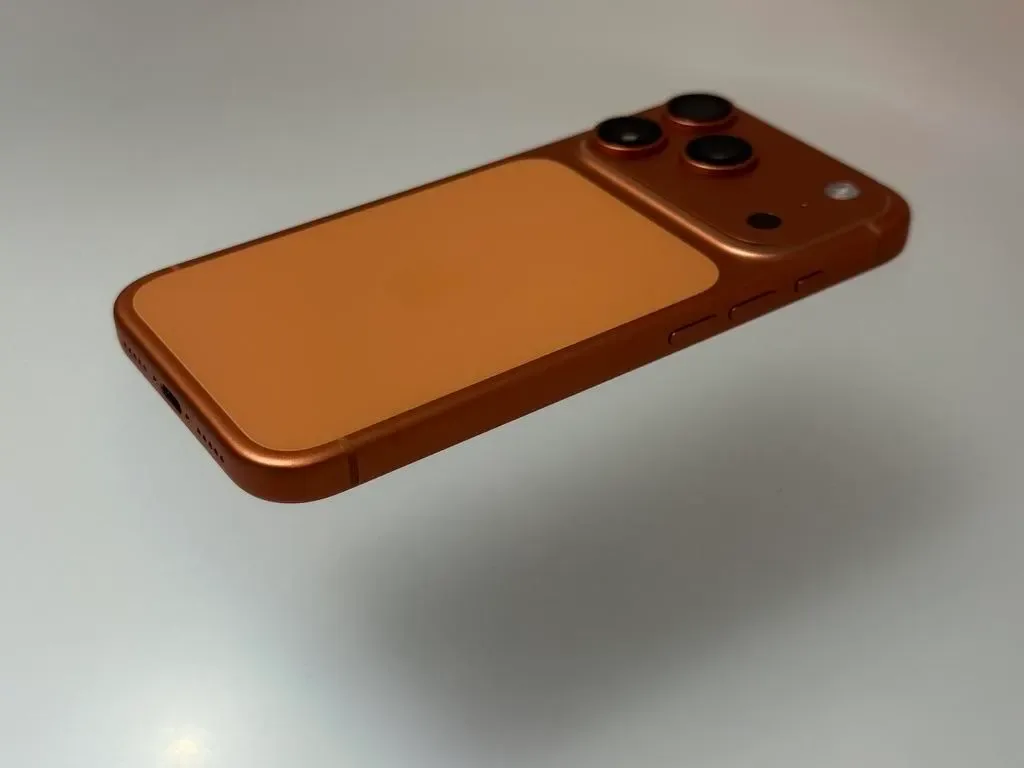
Apple is set to shake up its traditional September smartphone release window with a new strategy that could see the standard iPhone model delayed and a foldable device introduced. For years, the company has unveiled its flagship iPhones in September, but upcoming changes suggest a departure from this established schedule. The next Apple keynote is anticipated for Wednesday, September 9, and will likely showcase a revised product rollout for the foreseeable future.
In 2025, Apple released the iPhone 17, iPhone 17 Pro, iPhone 17 Pro Max, and iPhone Air in September, followed by the more affordable iPhone 17e in March. However, reports indicate a significant shift for the 2026 lineup. Notably, the regular iPhone 18 is reportedly not slated for release this year. Instead, Apple is expected to launch the iPhone 18 Pro and iPhone 18 Pro Max, potentially alongside its first-ever foldable phone, speculated to be named the 'iPhone Ultra'.
A Crowded Stage and Strategic Delays
The introduction of a foldable device alongside the Pro models could result in a crowded announcement event. Analyst Michael Burkhardt at 9to5Mac noted that with the addition of the iPhone Ultra, the company could be launching six iPhones annually, including the two Pro models, the iPhone 18, iPhone 18e, and a second-generation iPhone Air. However, some speculate that the iPhone Air might not be an annual release, given its nomenclature lacks a number.
Moving the standard iPhone 18 and the iPhone 18e to a spring 2027 release alongside other models presents several strategic advantages for Apple. Component costs, which have been a factor in rising prices for manufacturers, may stabilize by early 2027. Additionally, a spring launch could help camouflage potential price increases within the prevailing pricier market environment. For consumers, this staggered release could be beneficial. Many individuals receive iPhones as Christmas gifts, and waiting nine months for a new standard model might be frustrating. A spring release would offer consumers a choice of at least two new models within weeks of each other, providing a more immediate upgrade path. Apple will likely ensure distinct differences between the regular iPhone and the 'e' series to guide consumer choices.
The decision to hold back the regular iPhone 18 and potentially the second-generation iPhone Air also avoids overshadowing the highly anticipated foldable device. Introducing two regular phones and an entirely new category of foldable could be manageable, but adding a refreshed version of another eye-catching model simultaneously might dilute the impact of the groundbreaking iPhone Ultra. This strategic sequencing aims to give each new product its moment in the spotlight, maximizing consumer interest and sales potential for the iPhone 18 Pro and its variants.
The evolving iPhone launch strategy reflects Apple's continuous effort to innovate and adapt to market dynamics. By diversifying its release schedule and product categories, the company aims to maintain its competitive edge and appeal to a broader range of consumers. The shift away from a singular September launch event for all models signals a new era for iPhone releases, focusing on distinct product segments and opportune market timing.