
Apple's iPhone Duo Hinge Cooling: Engineers Share Simple Design Trick
Apple engineers have revealed a simple yet effective cooling solution integrated into the hinge of the upcoming iPhone Duo and 18 Pro models. This design innovation aims to address thermal challenges in foldable devices.

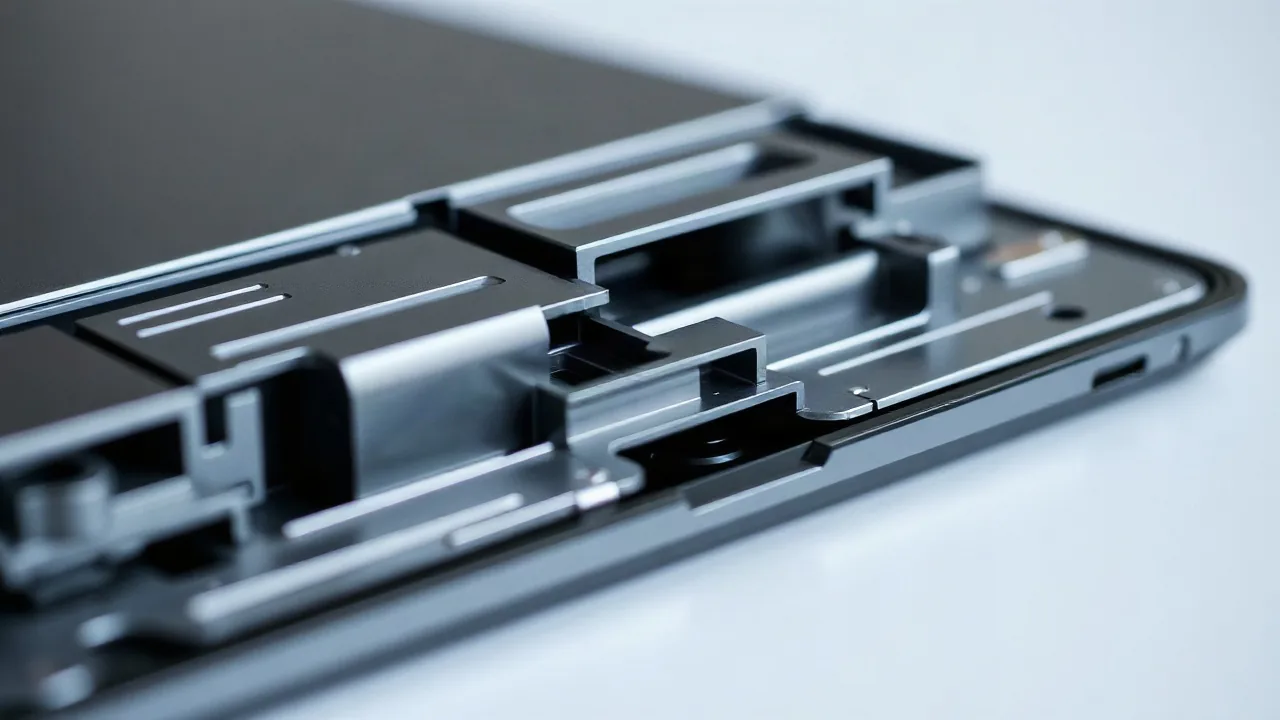
Apple engineers have unveiled a novel cooling mechanism embedded within the hinge structure of its upcoming iPhone Duo and 18 Pro smartphones. This innovative approach, detailed by sources close to the company, addresses a critical challenge faced by foldable devices: managing heat generated by high-performance components in a constrained space. The solution reportedly involves a straightforward yet ingenious design trick that significantly enhances thermal dissipation.
The iPhone Duo, expected to be Apple's first foray into the foldable market, along with the iterative iPhone 18 Pro, will benefit from this internal advancement. Historically, foldable phones have struggled with overheating due to their complex folding mechanisms and the proximity of powerful processors to the display and battery. This can lead to performance throttling and reduced device longevity. Apple's engineers appear to have tackled this issue proactively.
Addressing Foldable Thermal Challenges
Sources familiar with the development indicate that the cooling system utilizes a clever redirection of airflow. Instead of relying solely on passive heat sinks or traditional fan solutions, which are often impractical in thin, foldable designs, Apple has ingeniously designed the hinge to act as a conduit. This allows heat generated by the main logic board and battery to be more efficiently channeled away from sensitive areas and potentially expelled through discreet vents within the hinge assembly. This seemingly simple trick is a significant engineering feat, ensuring that the device can sustain desktop-like performance levels without compromising user comfort or component integrity.
This breakthrough is particularly crucial for the iPhone Duo, which aims to offer a seamless user experience akin to a compact tablet when unfolded, demanding sustained power. The success of this hinge cooling could set a new benchmark for the entire foldable industry. Competitors have grappled with similar thermal issues, often resulting in thicker devices or compromises in processing power. Apple's ability to integrate such an effective solution discreetly could provide a substantial competitive advantage.
The specific materials and internal architecture remain under wraps, but industry analysts suggest Apple likely employed advanced thermal interface materials and precise structural engineering to optimize heat transfer. The focus on a "simple trick" implies that the solution does not involve complex moving parts or exotic technologies, making it potentially more reliable and cost-effective to manufacture at scale. This aligns with Apple's typical design philosophy of achieving sophisticated results through elegant, often understated, engineering solutions.
The implications of this hinge cooling system extend beyond mere comfort. By maintaining optimal operating temperatures, Apple can push the boundaries of processor performance in future foldable devices. This could pave the way for more powerful mobile computing experiences, enabling tasks previously only possible on laptops or desktops to be performed on a handheld device. The upcoming iPhone Duo and iPhone 18 Pro are anticipated to launch in the fall of 2026, with further details expected closer to their official unveiling.