
Apple's iPhone Fold: What Samsung, Google Foldables Teach Cupertino
As Apple prepares its first foldable iPhone, insights from Samsung's hardware focus and Google's AI prowess on their latest foldables offer crucial lessons for Cupertino's entry.

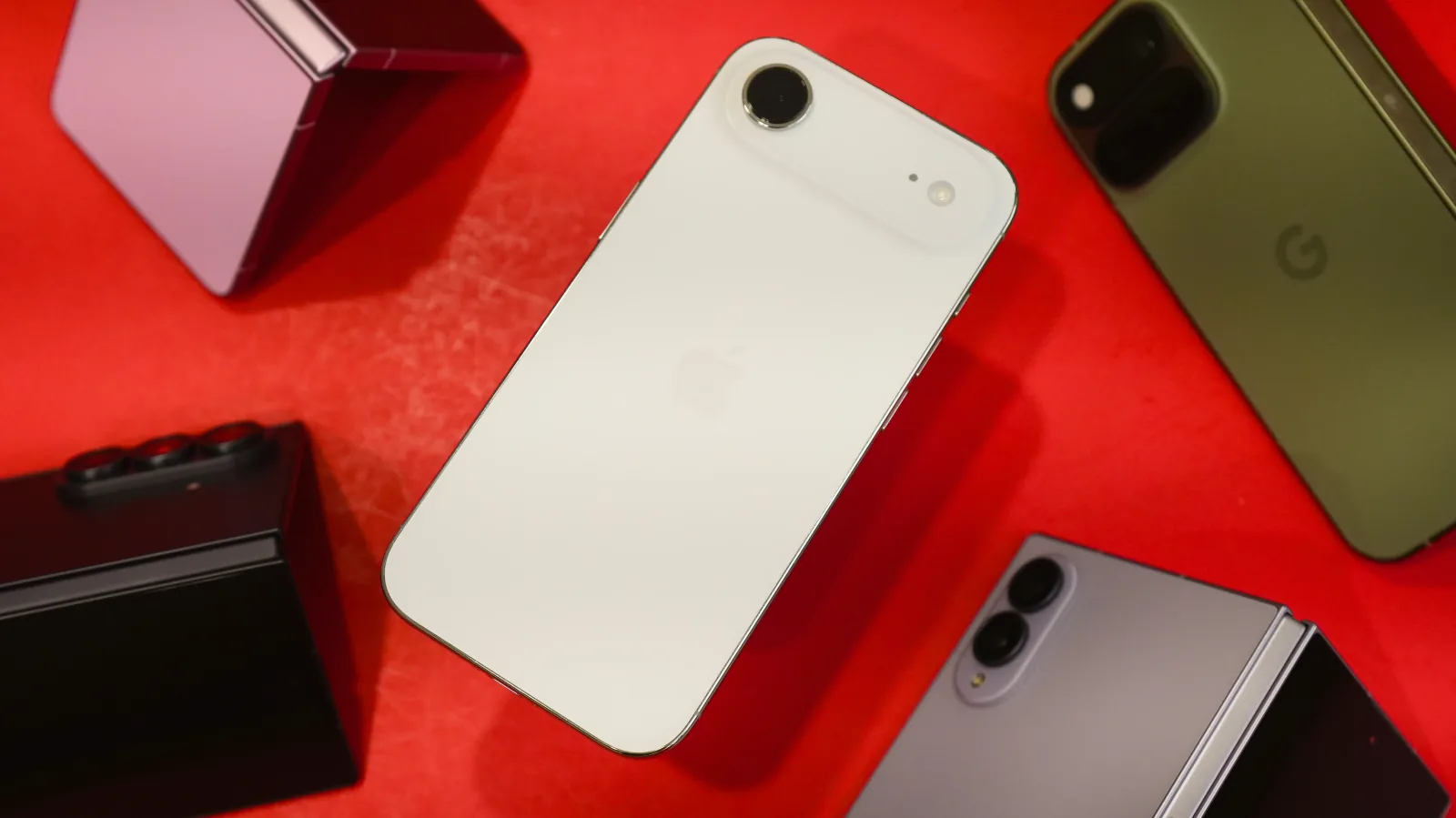
Apple is reportedly on the cusp of entering the lucrative foldable smartphone market, with its anticipated iPhone Fold expected to launch as soon as next month. The company's foray comes at a time when competitors like Samsung and Google have significantly advanced their foldable technologies, offering a clear roadmap of what works and what Apple must refine for its debut.
Samsung, a long-time leader in the foldable space, recently unveiled its Galaxy Z Fold 8 series, featuring a redesigned short and wide aspect ratio that has resonated strongly with consumers. Preorder demand for the Galaxy Z Fold 8 reportedly surged, prompting Samsung to increase production by an additional 1 million units compared to the previous year. Having tested both the standard Z Fold 8 and its 'Ultra' variant, the more compact design of the former proved particularly compelling. Its 5.5-inch folded display offers a familiar and manageable form factor, while unfolding reveals a spacious 7.6-inch screen with a 4:3 aspect ratio. This larger display is well-suited for reading, media consumption, and gaming, minimizing the letterboxing often seen on other foldables and positioning the Z Fold 8 as a strong contender for users seeking a versatile device.
The success of Samsung's hardware innovations, including its more ambitious Galaxy Z TriFold, highlights a market demand not just for folding screens, but for wider displays that enhance content viewing. Samsung's approach is likely to influence the design language of future foldables across the industry.
Competition and Innovation in Foldable Tech
Google, on the other hand, has prioritized a different aspect of the foldable experience with its Pixel Pro Fold series. While its design has remained largely consistent over the past three years, Google's strategy centers on showcasing its advanced Artificial Intelligence capabilities, powered by its in-house Tensor processors. This tight integration of hardware and software allows Google to seamlessly deploy its suite of Android and Gemini AI features, giving models like the new Pixel 11 Pro Fold an edge in software fluidity and update frequency.
Features such as proactive prompt suggestions, which appear based on on-screen context, exemplify Google's AI-driven approach. For instance, the phone can suggest booking a restaurant reservation if a friend mentions lunch plans in a message. Although these AI suggestions can sometimes depend on specific keywords, their increasing effectiveness demonstrates how deeply Gemini can integrate into the user experience. Combined with Android 17's multitasking features, such as floating bubbles, the larger display of the Pixel 11 Pro Fold becomes a powerful tool for productivity without the hassle of constantly switching between applications.
The durability of Google's foldables, evidenced by an IP68 water and dust resistance rating, also sets them apart, making them a more practical choice for everyday use, even in challenging environments. This focus on AI and resilience contrasts with Samsung's emphasis on cutting-edge hardware design.
Apple's forthcoming iPhone Fold, reportedly under the purview of new CEO John Ternus, is expected to adopt a design similar to the squat and wide form factor of the Galaxy Z Fold 8 and the original Pixel Fold. Reports suggest Apple is sourcing Samsung's advanced, creaseless display panels, aiming for a more refined aesthetic. This move aligns with Apple's history of prioritizing minimalist design and seamless construction, seen in products like MacBooks and Apple Watches.
Leveraging its deep expertise in both software and hardware, Apple is well-positioned to create a cohesive user experience. The company has already provided developers with tools to adapt apps for dynamic aspect ratios in the latest iOS 27 beta, signaling preparation for a larger, flexible screen. The robust ecosystem of apps and developers behind iOS is a significant advantage, potentially allowing Apple to cater effectively to prosumers who might wish to extend their iPad and Mac workflows onto a foldable device. The 4:3 aspect ratio, prevalent on many iPad models, aligns with that of the Galaxy Z Fold 8, suggesting a smoother transition for scaled-down iPad applications. A seamless handoff feature between the foldable iPhone and other Apple devices like iPads and Macs could be a crucial differentiator.
However, the escalating cost of components, particularly RAM, has driven up the prices of foldable phones significantly. Manufacturers like Samsung, Motorola, and Google have each increased their foldable prices by at least $100 this year. With Apple having recently adjusted pricing for its iPad and Mac lines, it is highly probable that any foldable iPhone released this September will also see a price increase. This trend means consumers will increasingly scrutinize the unique value propositions—be it hardware innovation or software features—offered by each brand when making their purchasing decisions in the evolving foldable market.