
Apple Mac Mini M6: Powerful Compact Desktop Faces Price Increase
Apple's latest Mac Mini, powered by the M6 chip, offers significant performance gains but a substantial price hike raises questions about its value proposition.

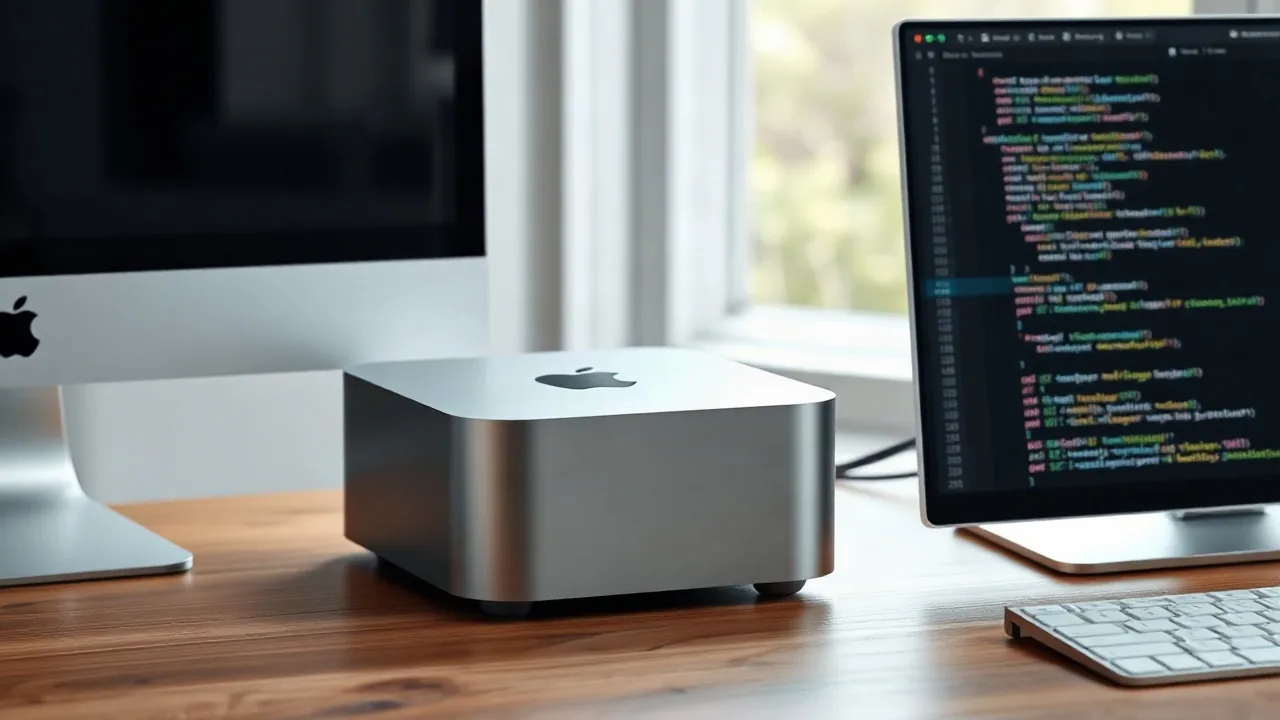
Apple's M6 Mac Mini, long a favorite for users seeking a compact yet powerful desktop computer, has received a significant upgrade with the new M6 chip. However, this enhanced performance comes at a cost, with a notable price increase that industry reviewers suggest may diminish its appeal as a "great deal.". The device, released in September 2026, continues to offer a compelling package for creative professionals and everyday users alike, but the elevated cost demands a closer look at its overall value.
The M6 chip represents a substantial leap forward in Apple's silicon architecture. Early benchmarks indicate that the new processor can handle demanding tasks such as video editing, software development, and even local AI computations with remarkable speed and efficiency. This makes the Mac Mini a more versatile option than ever, capable of serving as a primary workstation for many users who previously would have opted for larger, more expensive Mac Studio or iMac models. Despite its small form factor, the M6 Mac Mini promises desktop-class performance.
Performance vs. Price: A Shifting Equation
While the performance improvements are undeniable, the new pricing strategy has become a central point of discussion among tech analysts. The $300 price increase over the previous generation has shifted the Mac Mini's position in the market. Previously lauded for its aggressive pricing relative to its capabilities, the M6 Mac Mini now enters a more competitive landscape where budget-conscious consumers may reconsider their options. For users who don't require the bleeding edge of performance, older models or alternative compact PCs might present a more economical choice.
Apple's strategy with the Mac Mini has historically been to offer a more accessible entry point into the macOS ecosystem. The M6 iteration, however, appears to be targeting a different segment of the market, prioritizing raw power and advanced capabilities over sheer affordability. This move could alienate some of its traditional user base, particularly students and hobbyists who relied on the Mac Mini's value proposition. The company has not officially commented on the pricing shift, but industry observers suggest it aligns with a broader strategy to position its higher-end chips and devices as premium offerings.
Despite the price concerns, the M6 Mac Mini still boasts several advantages. Its compact design remains a major selling point, allowing it to fit seamlessly into any workspace without taking up valuable desk real estate. Connectivity options are robust, including multiple USB-C ports, HDMI, and Ethernet, ensuring compatibility with a wide range of peripherals. The integration with Apple's ecosystem also provides a smooth user experience for those invested in other Apple devices like iPhones and iPads.
For professionals engaged in AI development, the M6 Mac Mini offers a surprisingly potent platform for local model training and inference. While not a replacement for high-end server hardware, its ability to handle complex computations directly on the desktop can significantly speed up development cycles and reduce reliance on cloud services. This capability, combined with the efficient macOS environment, makes it an attractive tool for researchers and developers exploring the frontiers of artificial intelligence.
Ultimately, the Apple Mac Mini M6 presents a trade-off. Users gain considerable processing power and enhanced capabilities in a compact form factor, but they must now contend with a significantly higher price tag. Whether the M6 chip's performance justifies the increased investment will depend on individual needs and budget constraints. The enduring question for consumers is whether the best compact desktop is still a great deal when its price climbs so substantially.