
Apple's Touchscreen MacBook Pro, macOS 27 Unveiled
Apple has launched its first-ever touchscreen MacBook Pro, integrating touch optimizations into both the hardware and the new macOS 27. This marks a significant shift for the company's laptop line.

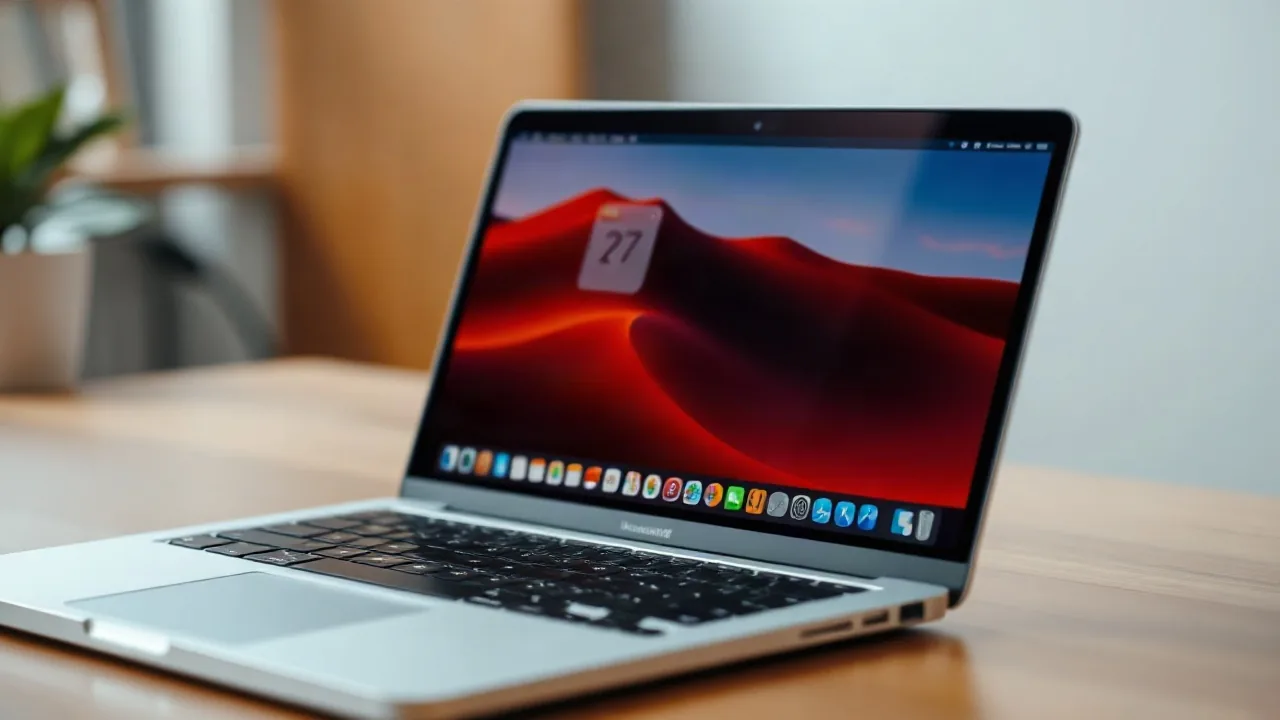
Apple has officially released its first MacBook Pro model featuring a touchscreen display, alongside the launch of macOS 27. This dual release signals a major evolution for the company's laptop lineup, aiming to blend the familiar macOS experience with direct touch interaction. The new hardware and software are designed to work in tandem, offering new functionalities for users, particularly those in creative and professional fields.
The introduction of a touchscreen to the MacBook Pro line has been a subject of speculation for years. While Apple previously resisted integrating touch capabilities into its laptops, citing user interface concerns and the effectiveness of its trackpad technology, this latest move suggests a re-evaluation of its approach. The new MacBook Pro models will feature a high-resolution touch-enabled display, complementing the existing keyboard and trackpad input methods.
Enhanced Software Integration for Touch
Complementing the new hardware, macOS 27 introduces a suite of optimizations specifically designed for touch input. Developers have reportedly been working to adapt core applications and system-level functions to respond intuitively to touch gestures. This includes updated window management, menu navigation, and application interactions that are more fluid and direct when using the touchscreen. The goal is to provide a seamless experience, whether users prefer touch, trackpad, or keyboard input.
Sources familiar with the development indicate that Apple has focused on refining multi-touch gestures to be precise and responsive on the larger laptop screen. This is crucial for tasks ranging from precise photo editing and video manipulation to everyday browsing and document interaction. The operating system is expected to offer dynamic interface elements that adapt based on the input method being used, potentially enlarging touch targets when a finger is detected nearby.
Historically, Apple's stance on touchscreen laptops, championed by the late Steve Jobs, was that a touch interface on a clamshell device wasn't ideal, and that users would opt for an iPad for touch or a Mac for traditional input. However, the landscape of personal computing has evolved, with many users accustomed to touch interfaces on their smartphones and tablets. This new direction for the MacBook Pro can be seen as an attempt to bridge that gap and offer a more versatile computing experience.
The implications for professional users, especially those in graphic design, video editing, and digital art, are significant. The ability to directly manipulate elements on screen with a finger or stylus (if supported) could streamline workflows and offer a more tactile creative process. This move also positions Apple to better compete with other laptop manufacturers who have long offered touchscreen capabilities as a standard feature.
Apple has not yet released detailed sales projections or specific performance benchmarks for the new touchscreen MacBook Pro models. However, the company has a history of iterating on new product categories, refining the user experience over several generations. The initial reception from tech reviewers and early adopters will be closely watched to gauge the success of this new direction for the iconic laptop.