
Apple's Next MacBook Pro: OLED, Lighter Design Rumored for 2026
New reports suggest Apple's upcoming MacBook Pro models will feature an OLED display and a significantly lighter design, potentially launching in late 2026. These upgrades aim to enhance user experience and maintain Apple's premium laptop standing.

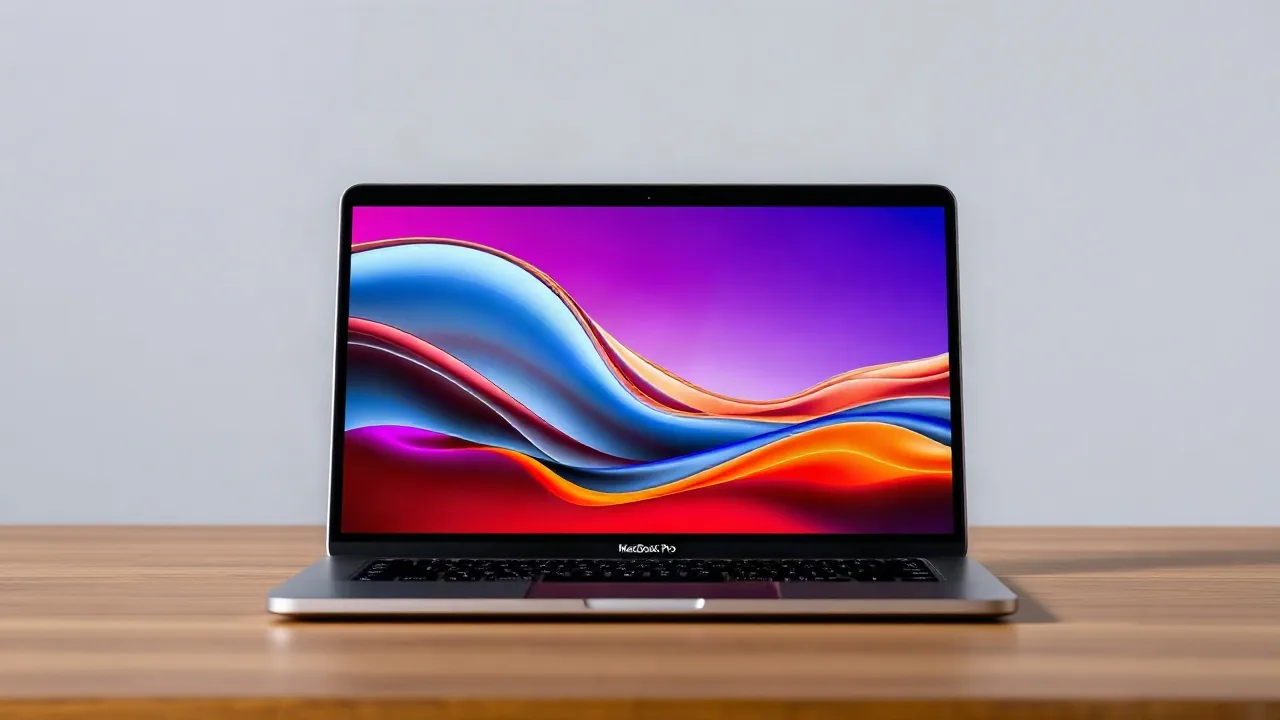
New details are emerging about Apple Inc.'s anticipated MacBook Pro lineup, with recent reports pointing towards a significant overhaul including the integration of OLED displays and a notably lighter chassis. The next generation of Apple's professional laptops could see a dramatic shift in design and technology, potentially arriving as early as late 2026.
The move to OLED technology is expected to offer brighter screens, deeper blacks, and improved energy efficiency compared to current LCD panels. This upgrade aligns with industry trends and would bring MacBook Pro displays on par with other premium devices in the market. Alongside the display enhancements, the laptops are reportedly undergoing a substantial redesign to reduce weight, making them more portable for professionals on the go. This focus on a lighter build suggests Apple is looking to refine the user experience, addressing a key factor for laptop consumers.
Design and Display Innovations
While specific launch dates remain unconfirmed, industry analysts are closely watching macOS development for clues. Recent internal code references have fueled speculation about features such as touchscreen capabilities and the potential for a new MacBook "Neo" designation. The emphasis on a "significantly lighter" build is a recurring theme in leaks, suggesting a departure from current designs. Sources indicate that the new MacBook Pro models might adopt a more streamlined construction, possibly utilizing new materials or internal component arrangements to achieve the reduced weight.
The integration of an OLED panel is a highly anticipated development. This technology has already been adopted by many competitors in the premium laptop space, and its inclusion in the MacBook Pro would represent Apple catching up to these advancements. The potential for a touchscreen, however, remains a more speculative element. While rumors persist, Apple has historically been hesitant to introduce touchscreens to its macOS laptops, prioritizing a traditional keyboard and trackpad experience. If a touchscreen is indeed part of the plan, it would mark a significant strategic shift for the company.
Background context for these potential upgrades lies in Apple's continuous effort to innovate and maintain its competitive edge in the high-end laptop market. The MacBook Pro line has long been a flagship product, favored by creative professionals, developers, and students for its performance and ecosystem integration. Introducing cutting-edge display technology and improved ergonomics is crucial for retaining this user base and attracting new customers.
Pricing for the next-generation MacBook Pro is also a subject of considerable discussion. Given the anticipated technological advancements, particularly the OLED displays, consumers may expect a premium price point. However, the potential introduction of different tiers or configurations could offer a range of options. Apple's strategy often involves balancing innovation with accessibility, although their Pro line typically commands top dollar. The market will be watching closely to see how these new features translate into final product offerings and cost.