
New 16-Inch Asus Laptop Arrives with OLED, Lower Price
Asus has expanded the international release of its 16-inch Zenbook A16 laptop, now featuring an OLED display and a more accessible starting price. The new configuration aims to balance cost with key features for consumers.

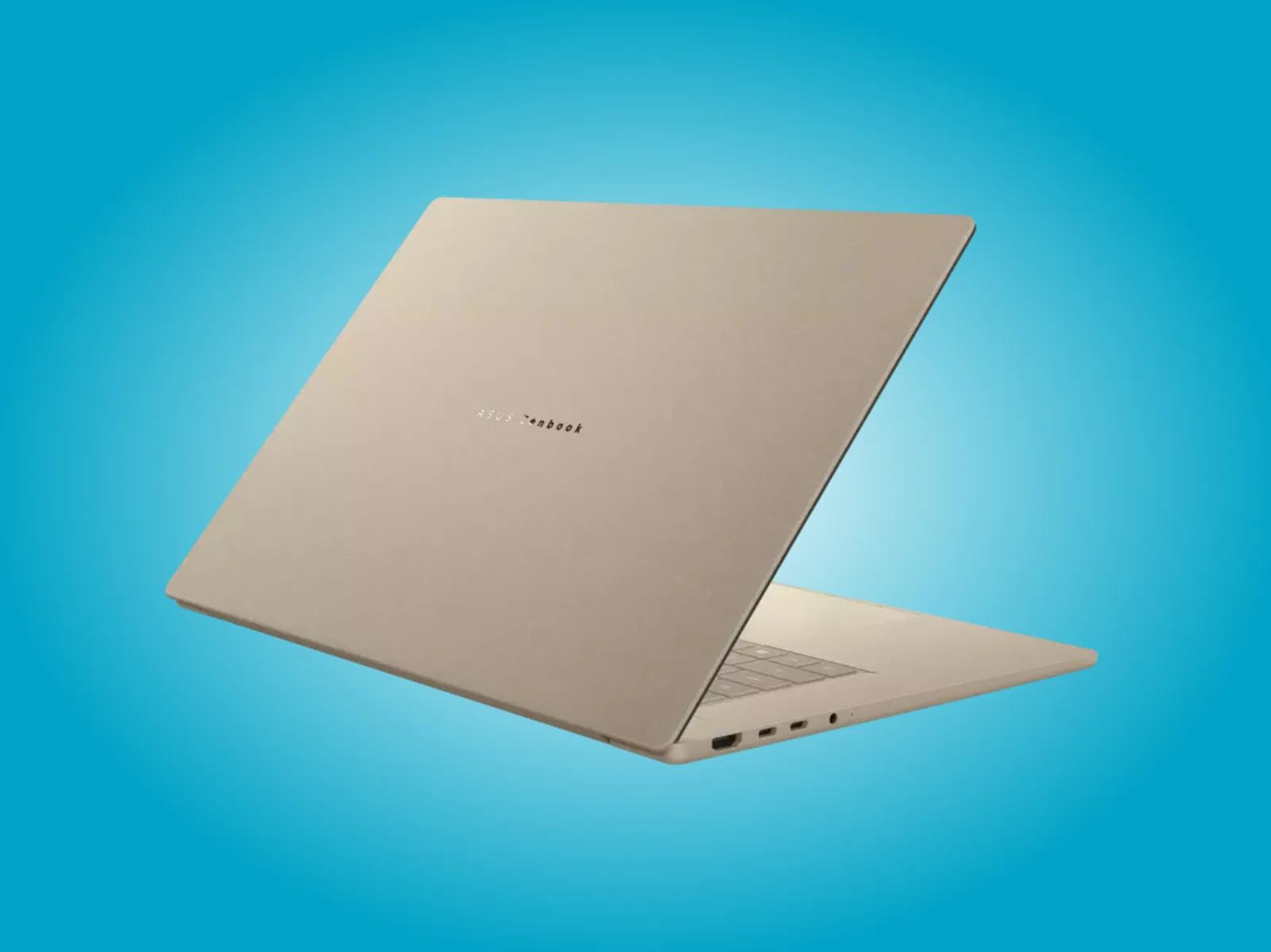
The new 16-inch Asus Zenbook A16 laptop, model UX3607QA, is now available internationally at a more competitive starting price, featuring a notable OLED display. This expansion brings a more accessible option to consumers looking for a larger screen with advanced visual technology.
While the updated model offers a compelling package, it includes some compromises to achieve its lower price point. The UX3607QA is equipped with the Snapdragon X X1-26-100 processor, an 8-core chip that benchmarks indicate is nearly half the speed of the higher-end Snapdragon X Elite Extreme X2E-94-100 found in more premium configurations. This processor is also used in the entry-level Zenbook A14.
Further cost-saving measures are evident in other specifications. The UX3607QA comes with 16 GB of RAM, a significant reduction compared to the higher-priced Zenbook A16 models, which feature 48 GB. The display, while still an OLED panel, is dimmer and has a lower resolution and refresh rate than the premium version's 500-nit, 2.8K, 120 Hz screen. Additionally, the newer model foregoes the latest Wi-Fi 7 connectivity in favor of Wi-Fi 6E.
Balancing Features and Affordability
This release highlights Asus's strategy to cater to a broader market segment by offering its popular 16-inch laptop design with core premium features, like the OLED screen, at a reduced cost. The decision to equip this model with the less powerful Snapdragon X X1-26-100 processor is a key factor in its affordability. This chip is designed for mainstream tasks, offering adequate performance for everyday productivity and content consumption, but may not satisfy users requiring peak processing power for demanding applications like video editing or complex simulations.
The reduction in RAM to 16 GB also positions this model for typical users who multitask with common applications such as web browsing, office suites, and media playback. For professionals or power users who push their systems with numerous heavy applications open simultaneously, this configuration might present limitations. The trade-off in display quality, while still an OLED, means users might not experience the same level of visual fidelity, brightness, or smoothness as those opting for the higher-tier model. Similarly, the adoption of Wi-Fi 6E instead of Wi-Fi 7 ensures reliable wireless connectivity but does not offer the future-proofing or the potential speed benefits of the very latest Wi-Fi standard.
Asus's approach with the Zenbook A16 UX3607QA shows a clear intention to capture market share by providing a choice between high-end performance and a more budget-conscious option. Consumers now have a clearer decision point: prioritize cutting-edge specifications and highest-tier performance, or opt for a more accessible entry into the 16-inch OLED laptop market with solid, though not peak, capabilities. The broader international release suggests strong demand for larger-screen laptops with visually appealing displays, even if it means accepting slightly reduced performance and connectivity features.