
Galaxy S26 Ultra Leads Android Phone Sales in Q2 2026 First
The Samsung Galaxy S26 Ultra became the best-selling Android phone globally in Q2 2026, a first for an ultra-premium device. This shift highlights Samsung's strategy and market appeal.

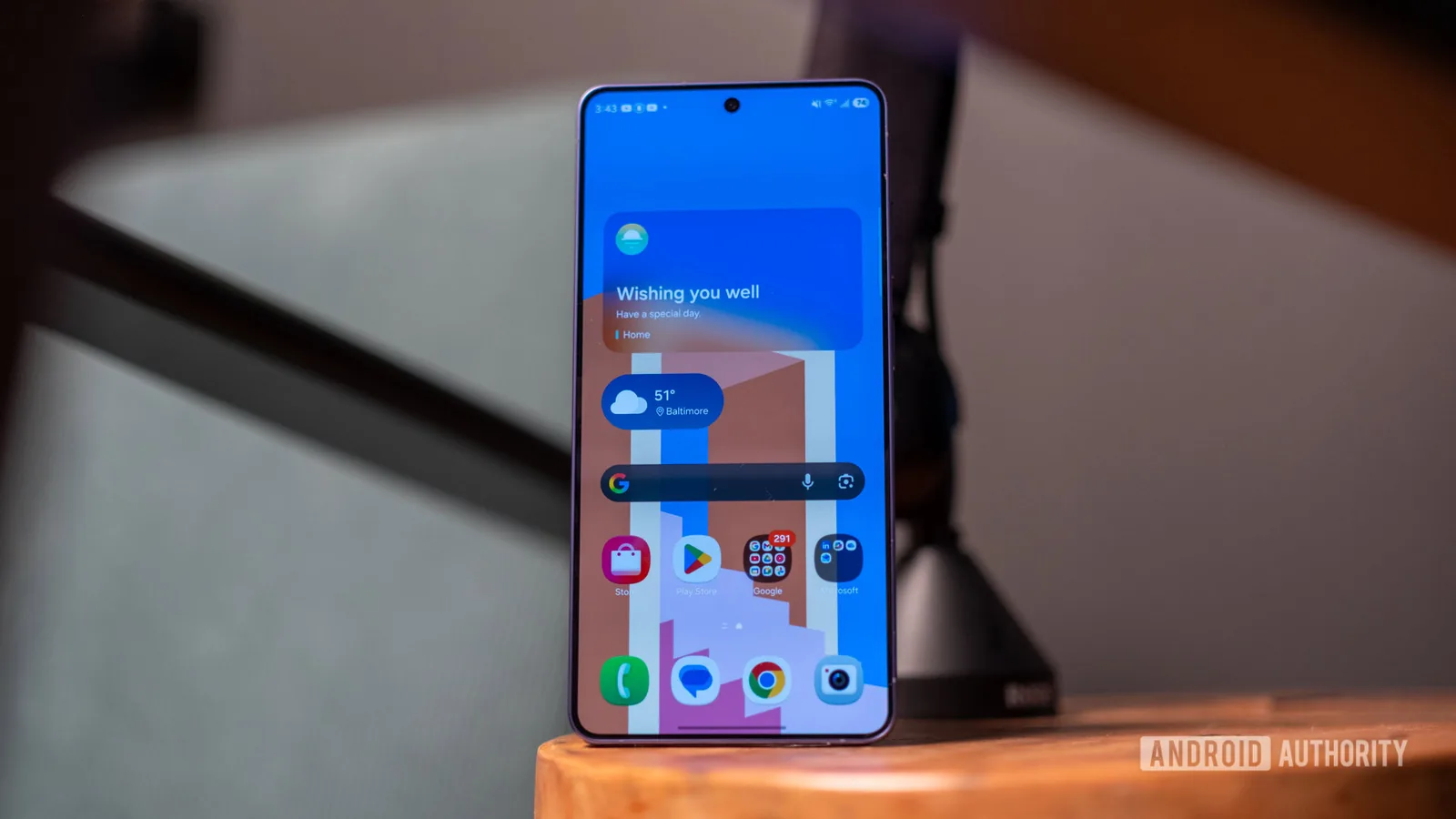
The Samsung Galaxy S26 Ultra has achieved a significant milestone, becoming the top-selling Android phone worldwide during the second quarter of 2026. This marks the first time an "ultra-premium" device has secured the leading position in Android sales for this period, according to a new report from Counterpoint Research. The $1,300 smartphone's success, alongside the base Galaxy S26 and several Galaxy A series models, indicates a potential shift in consumer preferences within the Android market.
The Counterpoint Research Q2 2026 global market share report revealed that the Galaxy S26 Ultra captured the top spot among Android devices. The standard Galaxy S26 also performed well, ranking ninth. This performance is a notable change from previous years, where lower-priced models typically dominated Android sales figures in any given quarter. For comparison, the Galaxy S25 Ultra held the ninth position in Q2 2025, while the base S25 model did not appear on the list.
Shift in Android Market Dynamics
Historically, it has been common for Galaxy flagship models to rank highly in Android sales, but this trend usually peaked in the first quarter of the year. Counterpoint Research specifically noted that this Q2 success for an ultra-premium device is unprecedented. Senior analyst Harshit Rastogi attributed this sales surge to Samsung's strategic launch of the Galaxy S26 series on February 25, a later-than-usual release date. "This later launch shifted more sales into Q2," Rastogi stated, explaining how the staggered release schedule benefited the premium model's market penetration.
Beyond the top two S26 models, other Samsung devices also featured prominently in the list of best-selling Android phones. The Galaxy A07 4G secured the fifth position, followed by the Galaxy A17 5G in sixth place and the Galaxy A17 4G at eighth. This strong showing from Samsung's diverse product lineup, from ultra-premium flagships to mid-range options, underscores the company's extensive reach across different consumer segments. It's worth noting that Counterpoint observed all Galaxy phones on the list offered at least six years of software updates, a significant selling point for consumers seeking longevity from their devices.
In contrast to the previous year, which saw Xiaomi's Redmi 14C 4G making an appearance, this quarter's report highlighted a dominance by Samsung in the Android space. Meanwhile, the overall smartphone market continued to be led by Apple. The top three best-selling phones globally were iPhones: the iPhone 17 took the lead, followed by the iPhone 17 Pro Max and the iPhone 17 Pro. The iPhone 16 also secured a spot in the top ten, ranking tenth. This reinforces the ongoing competition between major manufacturers and the distinct market positions held by iOS and Android devices.