
Google Pixel Phone Prices to Increase Amid Component Shortages
Google has confirmed that upcoming Pixel phone prices will rise due to global component cost increases. The company aims to adjust prices dynamically based on supply realities.

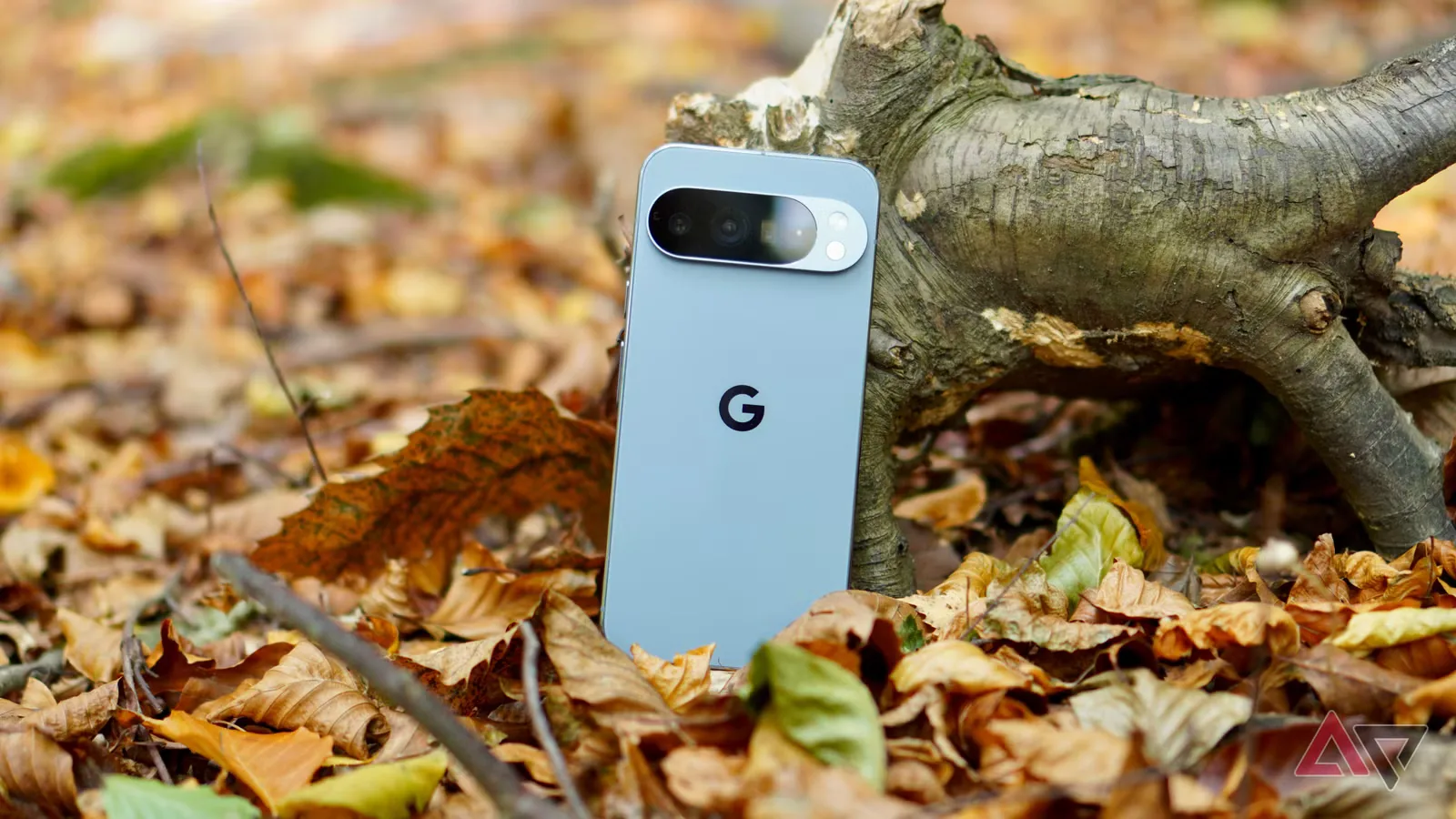
Google has officially confirmed that prices for its Pixel smartphone line are set to increase, a move attributed to ongoing global shortages and rising costs of essential components like RAM and storage. The announcement comes ahead of the company's expected Pixel 11 launch event scheduled for August 12.
Shakil Barkat, Google's Vice President of Devices and Services, acknowledged that while the company has strived to absorb these increased costs, it is not immune to the market pressures. "We've done our best to shield our customers from increasing prices on components," Barkat stated, as reported by 9to5Google. "But no matter how big Google is, it's not immune to these changes." This confirmation addresses widespread speculation among consumers and industry observers who anticipated price hikes for the next generation of Pixel devices.
Shifting Price Strategy Amid Supply Chain Challenges
The strategy for adjusting prices will reportedly be dynamic, meaning that as the costs of components fluctuate, so too will the retail price of Pixel phones. This approach signals a departure from fixed pricing models, allowing Google to respond in real-time to supply realities. While specific prices for the upcoming Pixel series have not yet been revealed, this dynamic pricing model is expected to be applied across the product line.
This development impacts consumers looking at both existing and future Pixel models. Some potential buyers are already opting for current Pixel phones, which are frequently available with significant discounts, rather than waiting for potentially more expensive new releases with only iterative upgrades. The increased cost of a new model with minor improvements may make purchasing discounted older models a more financially prudent choice for many.
Historically, smartphone manufacturers have relied on improved specifications to justify new releases and pricing. However, Google is reportedly making a concerted effort to "drive down memory requirements across Android." This initiative suggests a future where software optimization plays a larger role in performance, potentially lessening the reliance on cutting-edge hardware for a good user experience. While the push for greater efficiency is welcome, its long-term impact on device performance and consumer perception remains to be seen.
With the anticipated release of the Pixel 11, consumers will face tough decisions regarding upgrades. Given the expected price increases, actively seeking promotions and deals will be crucial. This could include special offers from retailers like Amazon or Best Buy, carrier-specific discounts tied to service contracts, or trade-in programs that can help offset the rising costs. As the market for smartphones continues to evolve under economic pressures, consumers may need to be more strategic than ever when considering their next Google Pixel purchase.
The increasing cost of smartphone components reflects a broader trend affecting the entire tech industry. From graphics cards to laptops, consumers have seen price adjustments across various electronic devices throughout 2026. Google's decision to confirm these price changes for its Pixel line highlights the pervasive nature of these global supply chain challenges.