
Google Tensor G7 Chip May Feature LPDDR6 RAM for Pixel 12
A new rumor suggests Google's upcoming Tensor G7 chip for the Pixel 12 could integrate LPDDR6 RAM, promising significant boosts in AI performance and overall user experience.

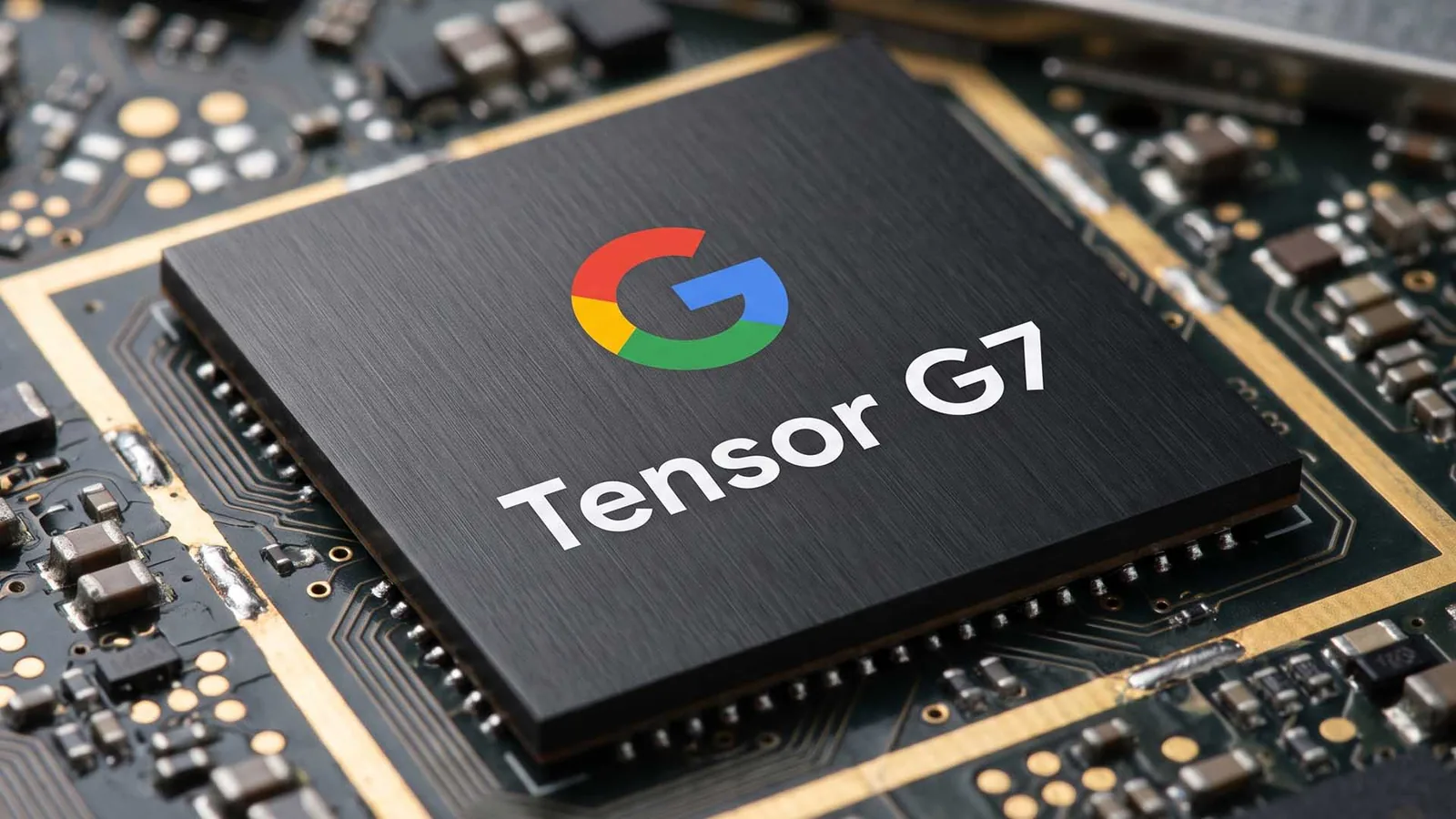
Rumors are circulating that Google's next-generation Tensor G7 chip, expected to power the Pixel 12 smartphone, might feature a significant upgrade in the form of LPDDR6 RAM. This advancement could lead to substantial improvements in the phone's artificial intelligence capabilities and overall performance, according to industry analysis.
The potential integration of LPDDR6, the latest standard in RAM technology, is being explored alongside LPDDR5X for the Tensor G7. While both are being tested, sources suggest that LPDDR6 could be reserved for the higher-end 'Pro' models of the Pixel 12. This move would mirror Google's previous strategy, such as making Zoned UFS storage exclusive to its premium Pixel 10 Pro devices, thereby offering enhanced performance and efficiency for its flagship smartphones.
Enhanced AI and Performance Potential
The adoption of LPDDR6 RAM would bring a considerable increase in memory bandwidth. This is particularly crucial for on-device AI operations, an area where Google is investing heavily. The faster memory standard, likely coupled with a wider 96-bit bus width, could significantly reduce latency between the CPU and RAM. This means that complex tasks, such as running large language models (LLMs) which are stored in memory, could see a massive performance boost. Even if the Tensor G7's CPU and GPU cores lag slightly behind competitors, the memory upgrade could offer a competitive edge in AI processing.
Beyond raw speed, LPDDR6 RAM also offers improved power efficiency. This, combined with potential advancements in packaging technology like Wafer-Level Multi-Chip Module Packaging (WMCM), could lead to better thermal management for the Tensor G7. Improved thermals are essential for sustained performance, preventing the chip from overheating during intensive tasks and ensuring a smoother user experience.
Google's commitment to pushing the boundaries of mobile AI is evident in its continued development of the Tensor chip line. Each iteration aims to enhance the intelligent features that have become a hallmark of the Pixel experience, from computational photography to real-time language translation. The potential shift to LPDDR6 signifies a strategic focus on the underlying hardware required to support these increasingly sophisticated AI workloads. The company's work with its AI race efforts often relies on powerful, efficient processing, making memory advancements a logical next step.
However, potential challenges remain. The cost of implementing the latest RAM technology can be a significant factor, and Google may opt for more established solutions like LPDDR5X if LPDDR6 proves too expensive or poses manufacturing hurdles. The company has a history of making strategic trade-offs to balance cost, performance, and features across its product lines. Further details are expected as Google continues its development and testing phases for the Tensor G7, with the Pixel 12 anticipated to launch in late 2026.