
Google TV Ranks Third in US Streaming OS Market
Google TV and Android TV have secured the third-largest share of the US streaming operating system market, according to new data, surpassing major players like Samsung and Apple.

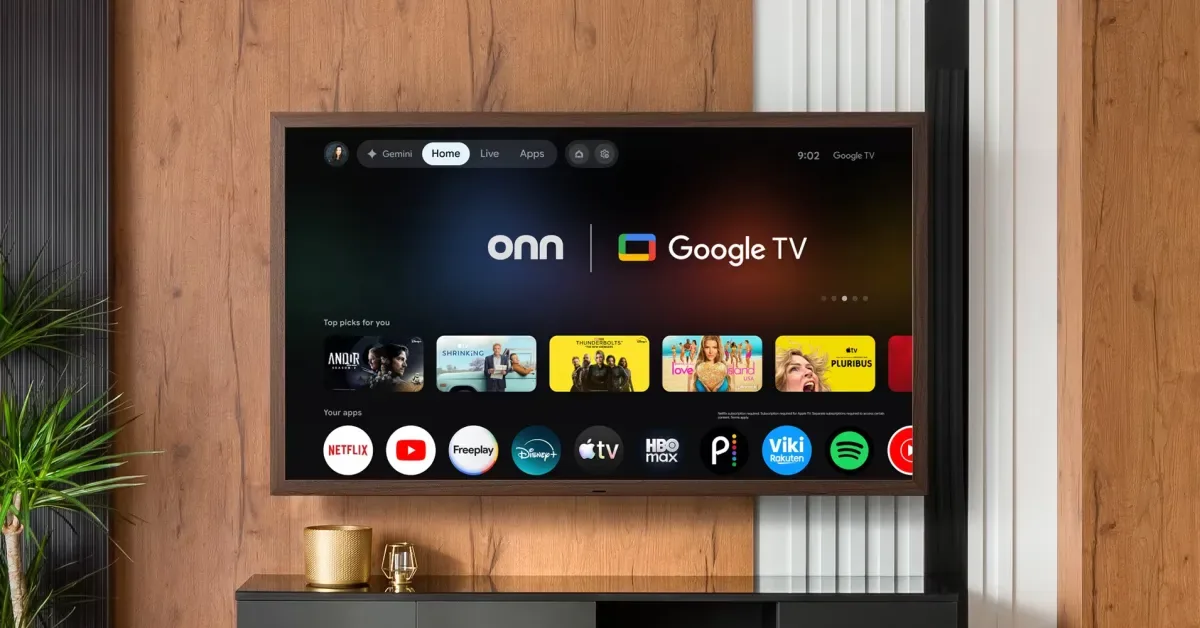
Google TV, alongside its predecessor Android TV, has quietly captured the third position in the United States streaming operating system market, a significant achievement that places it ahead of competitors from tech giants like Samsung and Apple. New data released by Hub Research, as reported by The Streamable, indicates that Google's platform holds a 14% market share. This positions it firmly behind dominant players Roku, which commands a leading 37%, and Amazon's Fire TV, which holds a distant second place with 17%.
The considerable market presence of Google TV is partly attributed to its integration with major television manufacturers. Brands such as TCL, a rapidly growing force in the global and US TV markets, as well as Hisense, extensively utilize Google TV in their sets. Even retailers like Walmart, which acquired Vizio to bolster its software offerings, are selling television sets and streaming devices powered by Google TV. This widespread adoption by manufacturers and retailers has contributed to its substantial user base.
Context and Consumer Preferences
This latest report marks a shift from previous data that suggested Google TV lagged behind Samsung's Tizen OS in North America. The divergence may stem from the current report's inclusion of TV streaming players, not solely smart TV sets. The Hub Research survey also delved into consumer preferences regarding AI-powered TV features. The most desired feature among users was the ability to 'Exclude stuff you dislike,' closely followed by 'finding similar stuff you’ll like.' Google TV's current features align with these consumer priorities, offering functionalities that help users curate their viewing experience and discover new content tailored to their tastes.
The competitive landscape for streaming operating systems is intense, with each platform vying for user engagement and market share. Roku's consistent dominance is a testament to its early mover advantage and user-friendly interface. Amazon's Fire TV benefits from the extensive Amazon ecosystem. Google's strategy, however, appears to be focused on strategic partnerships and leveraging its AI capabilities to enhance content discovery and personalization. As the streaming OS market continues to evolve, Google TV's strong third-place finish indicates its growing relevance and potential to further challenge the established leaders. The platform's ability to integrate with a diverse range of hardware and cater to user-driven feature preferences will be key to its future growth.
The ongoing advancements in smart TV technology and the increasing demand for seamless content access are shaping the future of home entertainment. Google's investment in its Google TV platform, including features like Gemini's ability to control TV settings on compatible models, underscores its commitment to this evolving market. As more manufacturers adopt the platform and consumers become more aware of its capabilities, Google TV is poised to solidify its position and potentially gain more ground in the coming years.