
Intel Revives Older CPUs for China Market Amid DDR5 Price Surge
Intel is reportedly resuming production of its 10th, 12th, 13th, and 14th Gen processors, specifically for mainland China. This move comes as high DDR5 memory prices make budget PC builds difficult.

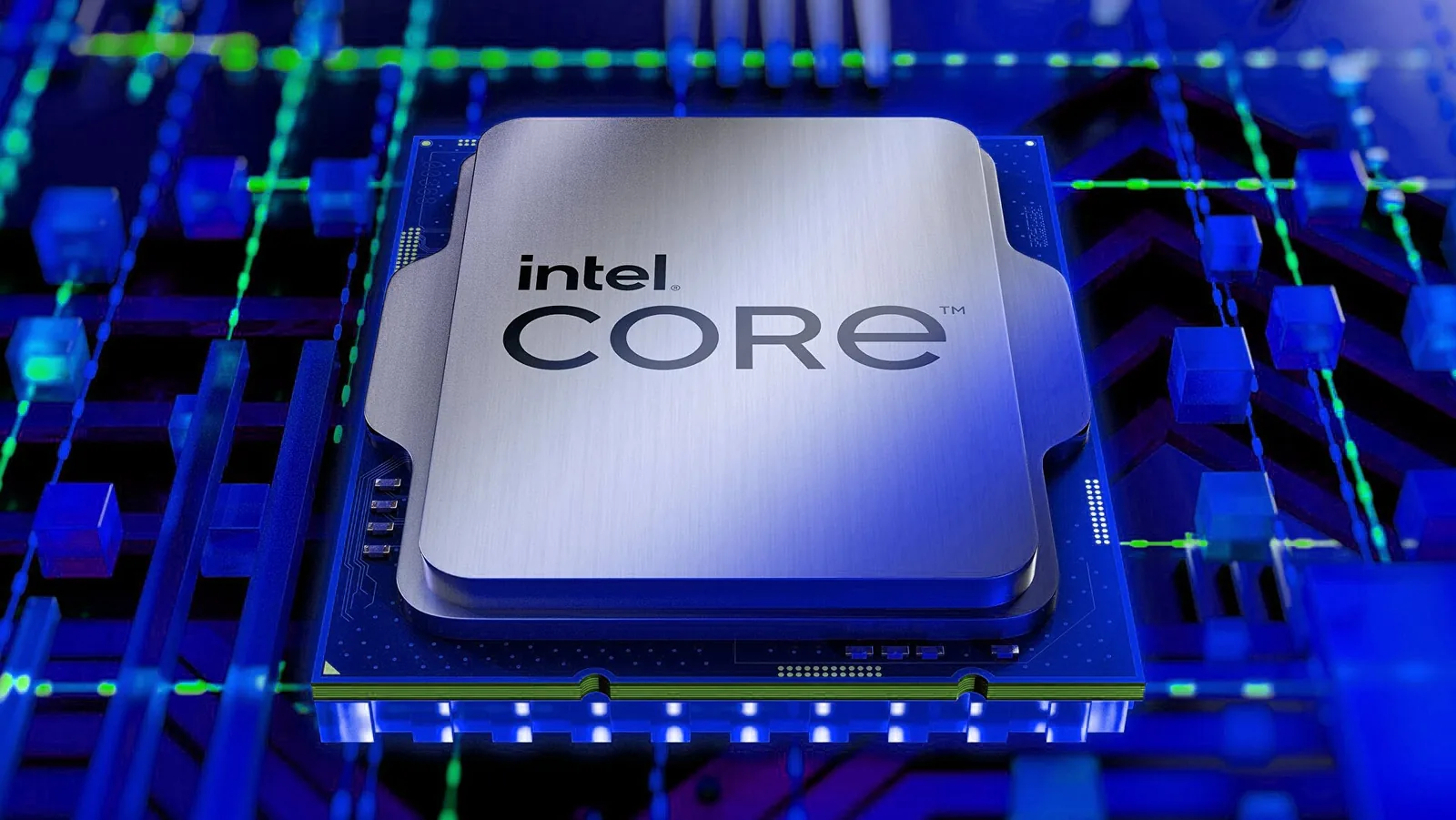
Intel is preparing to reintroduce a range of its previously released central processing units, including 10th, 12th, 13th, and 14th Gen chips, to the market in mainland China. This strategic decision aims to address current demand within the personal computer sector, particularly as the cost of newer DDR5 memory continues to escalate, making it challenging for budget-conscious consumers to assemble modern systems.
The resurgence of these older processor generations is closely tied to the renewed production and availability of DDR4-compatible motherboards. Several vendors have reportedly ramped up DDR4 platform manufacturing to ensure a stable supply, catering to a market segment where cost-effectiveness remains a primary concern. The high price of DDR5 memory kits, sometimes selling at four to five times their initial launch prices, has rendered many DDR5-based builds unfeasible for entry-level and mid-range users.
Addressing Market Demands with Legacy Hardware
Sources indicate that Intel's move is not solely focused on the more recent 13th and 14th Gen Raptor Lake and Raptor Lake Refresh processors, which were already anticipated to see increased production to meet global demand. The inclusion of 10th Gen Comet Lake and 12th Gen Alder Lake CPUs signals a more significant effort to leverage existing, cost-effective components. Both the 10th and 12th Gen families are designed to work with DDR4 motherboards, facilitating a smoother collaboration between Intel and its manufacturing partners to boost overall supply.
The economic pressure exerted by expensive DDR5 RAM is a significant factor driving this market shift. As DDR5 prices show no signs of abating, and are even expected to continue their upward trend through 2026 and beyond, the appeal of DDR4-based systems is amplified. This creates an opportune moment for Intel to re-engage with a substantial segment of the market that prioritizes affordability over the absolute latest technology.
This initiative is specifically targeted at mainland China, a crucial market for PC hardware. The region's dynamic PC landscape, encompassing both gaming enthusiasts and everyday users, presents a substantial opportunity for these revived processors. By providing more accessible options, Intel aims to maintain its market share and cater to a broader consumer base.
Looking ahead, Intel is also preparing for the introduction of its next-generation processors. Reports suggest that the upcoming Raptor Lake NEXT series will soon enter the market, co-existing with the Nova Lake architecture. The Raptor Lake NEXT family is expected to feature a revised SKU lineup, potentially omitting the 'Core 5' series within the HX family and introducing 'Core 7' and 'Core 9' variants that retain the core counts of the 14th Gen. For desktop platforms, consumers can anticipate 'Core 7', 'Core 5', and 'Core 3' series processors, with some configurations offering up to 20 cores.
The decision to recirculate older Intel processors reflects a broader trend in the semiconductor industry: adapting to economic realities and consumer preferences. While technological advancement continues at a rapid pace, the immediate market viability of components is often dictated by their cost-effectiveness. Intel's strategy in China underscores the enduring demand for reliable, budget-friendly computing solutions, even as the industry pushes towards next-generation technologies like DDR5.