
iPhone 17: Still a Smart Buy as iPhone 18 Looms
Despite rumors of Apple potentially skipping the iPhone 18 this year, the iPhone 17 remains a compelling option. Key upgrades make it a strong contender against rivals, even as prices may rise.

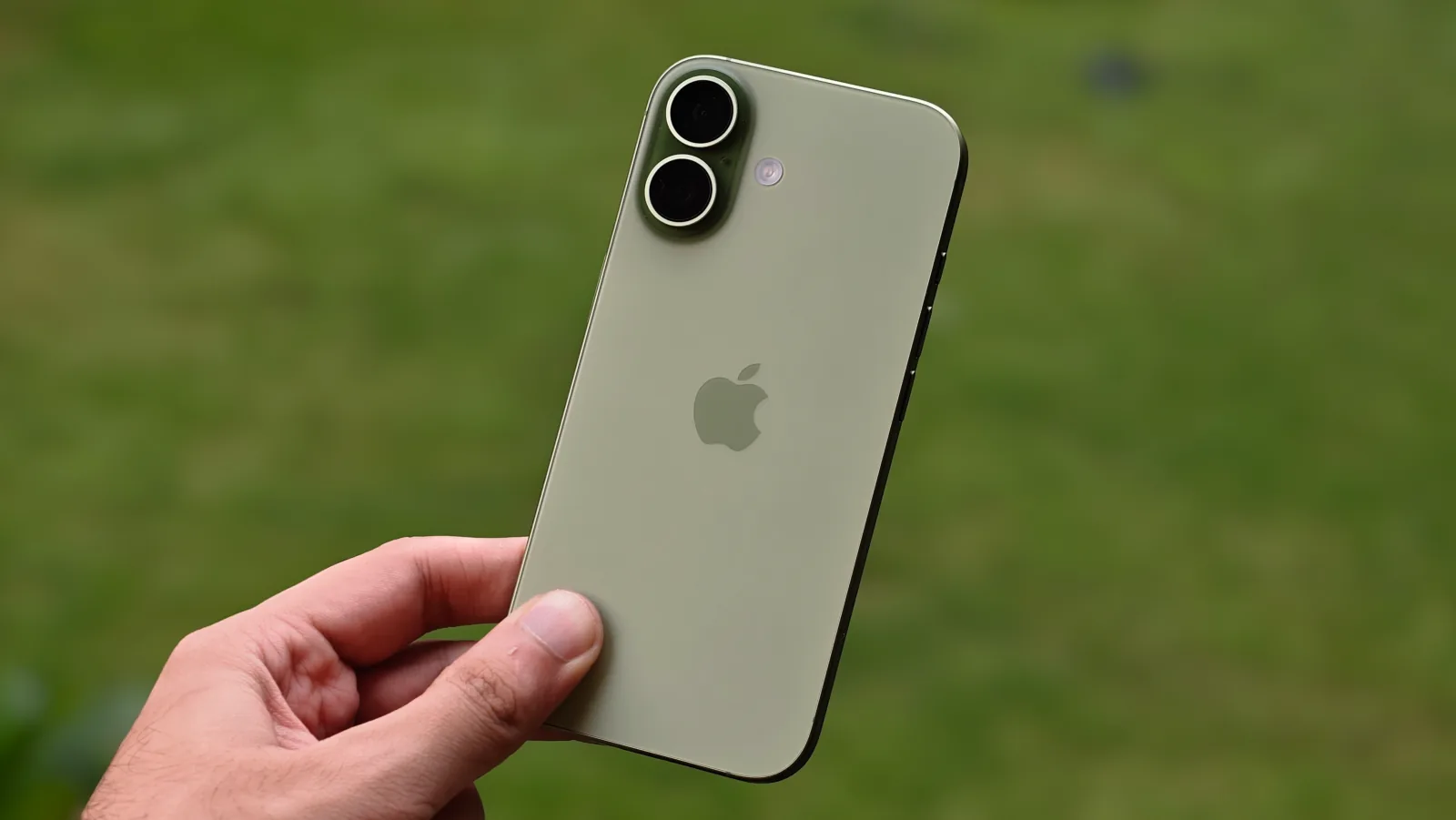
As the tech world buzzes with anticipation for Apple's next smartphone lineup, the iPhone 17 continues to stand out as a value-driven flagship. This comes even as speculation mounts that Apple might bypass the traditional release cycle for the iPhone 18 this year. The iPhone 17, launched last year, significantly narrowed the gap between its entry-level status and the premium Pro models, boasting overdue display enhancements, improved camera capabilities, and increased durability. Features like Center Stage, the new selfie camera system, and Dual Capture were integrated across the entire range, enhancing the iPhone 17's overall appeal. A year on, it has emerged as one of the most competitively priced entry-level smartphones, particularly as competitors like Samsung and Google have seen their comparable models increase in price due to rising RAM costs associated with AI and data center demands.
Typically, August is a period where consumers are advised to hold off on new iPhone purchases and await the upcoming releases. However, the market landscape in 2026 presents a different scenario. With the expected unveiling of the next-generation iPhone series on September 9, the iPhone 17 is demonstrating remarkable resilience against its Android competitors. It is slated to face competition from new models until March 2027, as rumors suggest the iPhone 18 and iPhone 18E won't be available until that time. For individuals needing a new iPhone before March 2027 or those unwilling to invest $1,100 or more in an iPhone 18 Pro, revisiting the iPhone 17 reveals its continued relevance. A closer look at the device this past week confirms its enduring strengths.
Display, Durability, and Camera Upgrades Define the iPhone 17
The iPhone 17 arrived with several significant upgrades that enhance the daily user experience. Its display now matches the quality of Apple's Pro models and leading Android devices, featuring a fluid 120Hz refresh rate that intelligently adapts to on-screen content to conserve battery life. Compared to the iPhone 15, the visual smoothness when scrolling through the interface is immediately apparent, lending the phone a faster, more responsive feel. The screen is also brighter and exhibits less reflectivity than its predecessor, making it easier to use outdoors or under bright lighting conditions. While the new Google Pixel 11 offers comparable brightness, the iPhone 17's reduced bezels create a more visually appealing screen.
Apple stated that its 2025 iPhones were designed for enhanced durability. Though not subjected to a full year of continuous use, the iPhone 17 Pro Max, used daily without a case for ten months, has proven its resilience. Compared to a 2024 iPhone 16 Pro, the iPhone 17 Pro exhibits superior resistance to scratches and drops, attributed to its Ceramic Shield 2 glass, identical to the material used in the iPhone 17. The upgrade to the selfie camera, a 18-megapixel square sensor, is perhaps the most impactful quality-of-life improvement. It allows for landscape selfies without requiring the phone to be rotated, and the viewfinder dynamically adjusts framing based on the number of people present. This camera excels in two key areas: it enables Center Stage, which keeps users in frame during video calls on apps like FaceTime and WhatsApp, and it enhances stability for selfie video recording. For users experiencing hand tremors, this improved stability can significantly boost confidence in capturing steady footage.
The dual rear cameras on the iPhone 17 represent a substantial leap from its predecessor. It features a 48-megapixel wide-angle camera and another 48-megapixel ultrawide camera, an upgrade from the 12-megapixel ultrawide on the iPhone 16. These cameras deliver sharp images, perform well in low-light conditions, and provide a smooth video recording experience. While it lacks the telephoto lens and optical zoom of the iPhone 17 Pro, the iPhone 17's camera system is more than adequate for the needs of most users. The accompanying iOS 26 operating system introduced more refined controls, customization options, and Apple Intelligence features. However, early user experiences have reported occasional bugs, such as system volume inexplicably lowering and keyboard lag. These issues appear to be addressed in the iOS 27 Public Beta, which promises improved volume controls, optimized Control Center for landscape mode, and enhanced smart features like spatial reframing and a new Siri mode within the Camera app.
In endurance tests, the iPhone 17 demonstrated impressive battery performance, retaining 98% charge after a demanding 45-minute test involving streaming, social media use, video calls, and gaming. This result matches the iPhone 17 Pro and places it second only to the iPhone 17 Pro Max in CNET's testing over the past year. While subsequent iOS 26 updates and continued usage have led to some overnight battery drain on a personal device, the upcoming iOS 27 update is anticipated to further improve the user experience with enhanced stability and smarter functionalities.
Looking ahead, the iPhone 17's value proposition remains strong, especially considering its launch price of $799. This positions it favorably against competitors like the Samsung Galaxy S26 ($899) and the Google Pixel 11. With smartphone prices generally on the rise and rumors pointing to potential price increases for future iPhones, the current cost of the iPhone 17 appears particularly attractive. Although the iPhone 18 is expected to arrive eventually, its updates might be incremental, with significant innovations potentially reserved for its Pro counterparts. The base model iPhone has maintained its $799 price point since 2020, making a future increase more probable given recent price adjustments across Apple's product lines. For those considering waiting for the iPhone 18, it may offer fewer compelling upgrades compared to the already feature-rich iPhone 17, especially if major design changes are slated for the more expensive Pro models.