
iPhone 18 Pro: 12 Upgrades Expected for Apple's Next Flagship
Apple's upcoming iPhone 18 Pro and Pro Max are rumored to feature significant battery life improvements, a faster A20 chip, and potentially a smaller Dynamic Island. The launch is also expected to kick off a new phased rollout strategy.

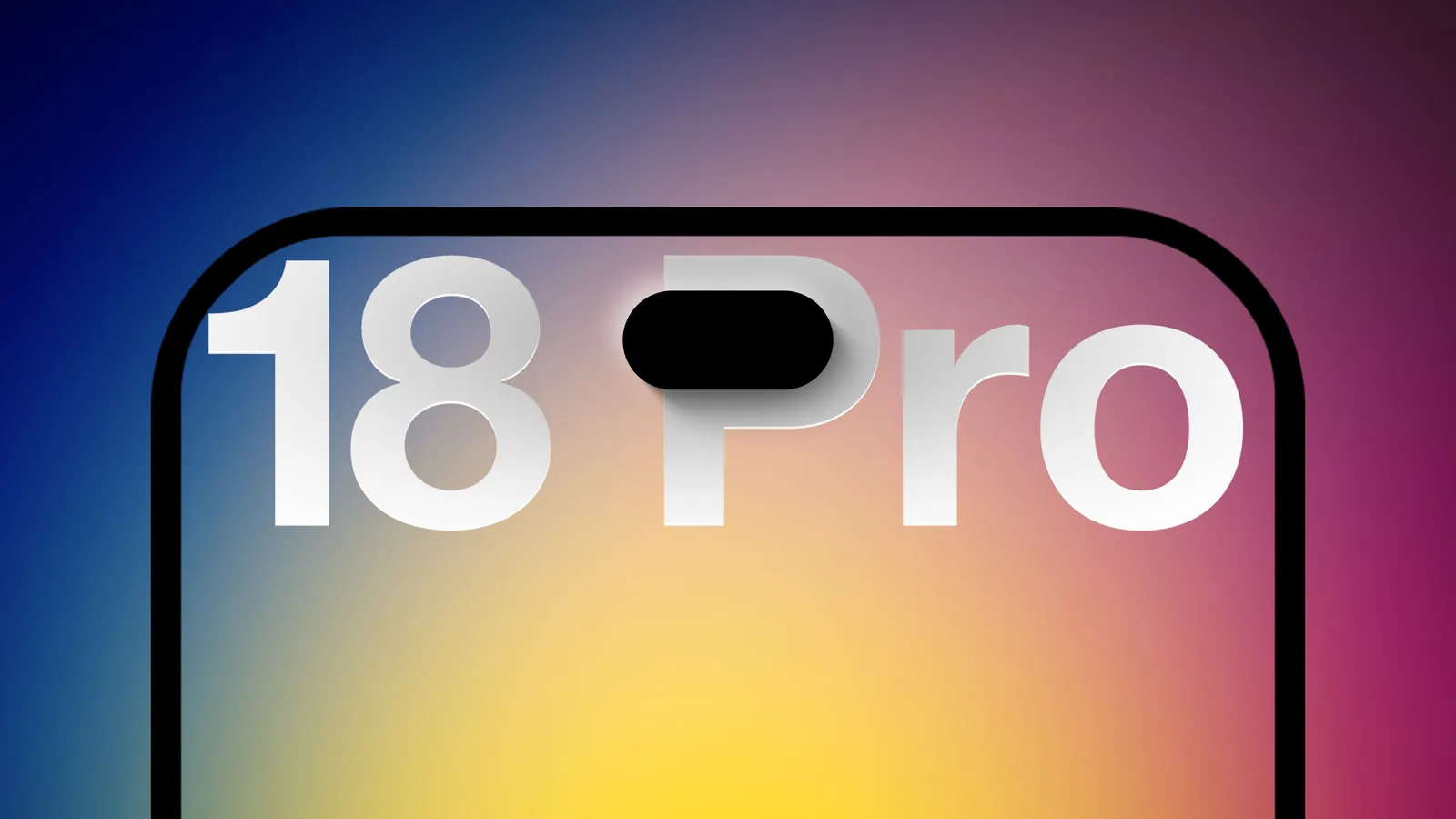
Apple is reportedly gearing up to launch its next generation of premium smartphones, the iPhone 18 Pro and iPhone 18 Pro Max, in September 2026. While dramatic functional overhauls are not anticipated, several key enhancements are rumored for the flagship devices. This year also marks a potential shift in Apple's release strategy, with a two-phase rollout beginning with the iPhone 18 series, followed by other models in spring 2027.
The iPhone 18 Pro lineup is expected to largely mirror the design language of the iPhone 17 Pro. Dummies suggest the rear camera system will retain its triangular arrangement on a raised plateau, though there are indications the plateau might thicken, and individual lenses could protrude more. Display dimensions are anticipated to stay the same, with the Pro model measuring 6.3 inches and the Pro Max at 6.9 inches. A rumored design change could see the Pro models ditch the two-tone rear casing for a more uniform look, with Apple said to be refining the back-glass replacement process for a seamless appearance between the Ceramic Shield 2 glass and aluminum frame.
Extended Battery and Refined Design
Significant upgrades are expected for battery life, particularly in the iPhone 18 Pro Max. Chinese regulatory filings indicate the iPhone 18 Pro will house 4,056mAh (U.S. 4,288mAh) and the Pro Max a substantial 5,391mAh (U.S. 5,567mAh). These figures represent a notable increase from the iPhone 17 Pro's respective capacities of 3,988mAh and 4,823mAh, with the Pro Max seeing an increase of nearly 500mAh. This larger battery capacity may contribute to a slightly thicker chassis for the Pro Max, with rumors suggesting a weight around 243 grams, making it among the heaviest models produced by Apple.
The highly discussed Dynamic Island may also see changes. Reports remain divided on whether under-display Face ID will debut, which would eliminate the cutout entirely. However, the consensus leans towards a miniaturized Dynamic Island. Some sources, like Wayne Ma of The Information, suggest a shift to a single pinhole camera in the upper-left corner. Others, including display analyst Ross Young and Bloomberg's Mark Gurman, predict a slimmed-down Dynamic Island. Leaker "Ice Universe" claims the cutout could be approximately 35% narrower, measuring around 13.5mm compared to the iPhone 17 Pro's 20.7mm. The display technology itself is rumored to adopt LTPO+ specifications, offering improved power efficiency and finer OLED control, potentially enhancing battery performance further. This advanced display technology is reportedly being supplied by Samsung Display and LG Display.
Powering these devices will be Apple's new A20 chip, manufactured by TSMC using a 2nm process. This advanced fabrication is expected to yield approximately a 15 percent speed increase and a 30 percent efficiency gain over the A19 series found in the iPhone 17 models. Apple's proprietary Wafer-Level Multi-Chip Module (WMCM) technology is also anticipated, possibly integrating RAM directly onto the same wafer as the core components, leading to faster performance and better power management for features like Apple Intelligence.
On the connectivity front, the iPhone 18 Pro models were initially expected to feature Apple's in-house C2 modem, designed to replace Qualcomm hardware. However, recent reports suggest that U.S. models might continue to use Qualcomm modems, while international versions adopt the C2. This move is part of Apple's long-term strategy to reduce its reliance on external suppliers for critical components, aiming for deeper integration and optimized performance.
Camera hardware is also slated for upgrades. Samsung is reportedly developing a new three-layer stacked image sensor, codenamed PD-TR-Logic, for the iPhone 18 lineup. This sensor could enhance camera responsiveness, reduce noise, and increase dynamic range. Additionally, reports indicate the inclusion of a variable aperture lens, a feature typically found in DSLR cameras, which would offer greater control over light intake and depth of field.