
iPhone Duo: Apple's Next Hardware Leap in Smartphone Display
Apple's rumored iPhone Duo promises foldable displays and dual-camera breakthroughs. Industry sources suggest a 2027 launch with innovations that could reshape how users capture and interact with mobile devices.

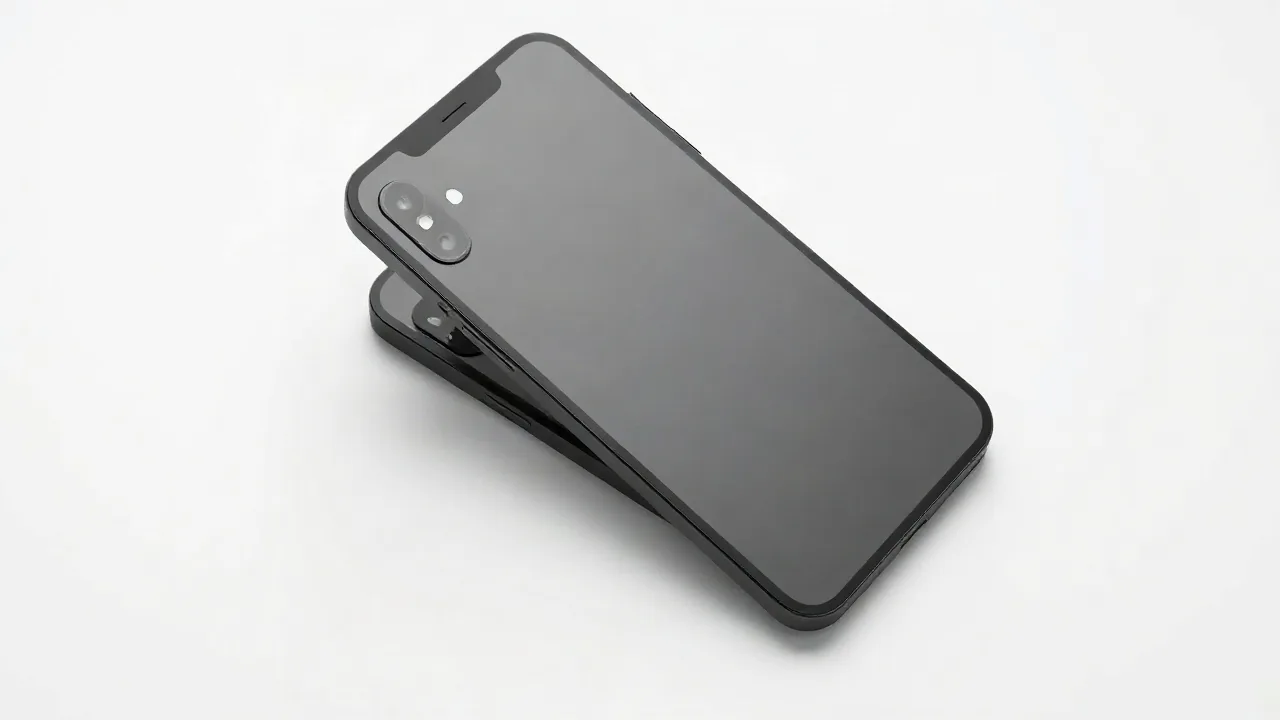
Rumors surrounding Apple's upcoming iPhone Duo have intensified across supply-chain reports and industry briefings in September 2026, signaling that the Cupertino firm is preparing its most ambitious hardware pivot since the iPhone 14 Pro generation. Unlike previous speculation, credible source feedback from component manufacturers in Taiwan and South Korea now points to concrete engineering milestones in prototype testing, with multiple analysts citing on-the-record confirmations from unnamed supply partners.
The device is expected to feature a foldable display that unfolds to approximately 8 inches, a departure from Apple's traditional single-pane strategy. Inside sources describe the folding mechanism as a refined version of Samsung's proven hinge technology, but with proprietary refinements that address durability concerns that plagued earlier foldable rollouts.
"We are seeing evidence that Apple has moved beyond the conceptual phase," said Morgan Stanley analyst Erik Woodring in a September 2026 equipment forecast. "The supply chain is already tooling for volume production, which typically signals a product window within 12 to 18 months."
Camera and Display Innovation at the Core
Camera features represent a primary focus of the iPhone Duo's engineering roadmap. The dual rear camera system will reportedly pair a 200-megapixel primary sensor with a dedicated 50-megapixel ultra-wide unit, both capable of 8K video recording at 60 frames per second. This mirrors the trajectory seen in flagship Android devices but arrives with Apple's computational photography advantage intact.
The foldable display innovation itself uses a micro-OLED panel sourced from Samsung Display, with a reported 2600 x 1960 pixel resolution on the main screen and a secondary 1200 x 800 panel on the front cover. Both panels support 120Hz refresh rates, a critical feature for maintaining performance during multitasking on a device that can serve as both phone and tablet.
Apple has invested heavily in reducing the crease effect that appears down the center of foldable displays. Insiders indicate the iPhone Duo's crease will measure less than 0.5 millimeters visually, achieved through a custom substrate and a revised fluid polymer hinge architecture. The durability spec includes over 500,000 open-close cycles before degradation reaches 15 percent brightness loss.
Thermal management poses another challenge. The smartphone technology community has long flagged heat dissipation as a bottleneck in compact foldable designs. Apple's solution reportedly involves a graphite vapor-chamber system that spans both halves of the unfolded device, allowing better heat distribution away from the processing core.
Processor Power and Software Integration
The iPhone Duo will ship with Apple's A18 Pro chip, the same processor powering the standard iPhone 16 lineup. This ensures that Apple hardware synergy across the portfolio remains consistent, while allowing engineers to focus optimization efforts on the unique layout demands of a foldable form factor.
Software integration represents perhaps the most underrated challenge. iOS 19, which will ship with the iPhone Duo, includes new layout engines designed to adapt apps seamlessly between folded phone mode and unfolded tablet mode. Sources suggest Apple is working with major developers including Google, Meta, and Microsoft to ensure critical apps like Gmail, Instagram, and Office render correctly across both screen states.
Battery capacity is expected to reach 5,100 mAh split across two compartments, with a target of over 18 hours of mixed usage before requiring a charge. The foldable design allows the battery to distribute weight more evenly, a physics advantage that traditional bars phones cannot match.
Pricing intelligence from retail channel partners suggests the iPhone Duo will launch at 1,599 USD for a 256GB base model, positioning it as a premium alternative to flagship tablets and traditional smartphones. This pricing assumes no supply constraints or component cost escalations between now and the expected Q4 2027 launch window.
Market Impact and Competitive Pressure
The foldable smartphone market has seen modest adoption since Samsung and Huawei pioneered the category. However, 2026 data shows that foldable shipments have stabilized at roughly 12 million units annually, with a projected compound annual growth rate of 22 percent through 2030. Apple's entry would accelerate this timeline significantly.
Samsung's Galaxy Z Fold series currently dominates the premium foldable segment with roughly 60 percent market share. Analysts expect the iPhone Duo to capture 20 to 30 percent of the premium foldable market within 18 months of launch, a shift driven by Apple's brand loyalty and ecosystem lock-in.
Competing products in the midterm include the rumored Google Pixel Fold 2 and Microsoft's continued partnership with Samsung on flexible-screen devices. However, none of those rivals enjoy Apple's software-hardware integration depth or its historical ability to set design trends that competitors then chase.
Industry observers note that the iPhone Duo's success depends less on raw hardware specs and more on whether developers embrace the foldable platform and whether battery longevity meets consumer expectations. Early tester feedback, while limited, suggests confidence in both areas.
Supply chain analysts project initial monthly production capacity of 500,000 units, ramping to 2 million per month by mid-2028 if demand sustains. This conservative scaling reflects Apple's historical caution when entering new form factors, ensuring quality control does not suffer under volume pressure.