
iPhone Duo Screen Defects Spur Buyer Returns in South Korea
Apple's new foldable iPhone Duo faces significant backlash in South Korea as buyers return devices due to widespread screen cracking issues, even without apparent physical damage.

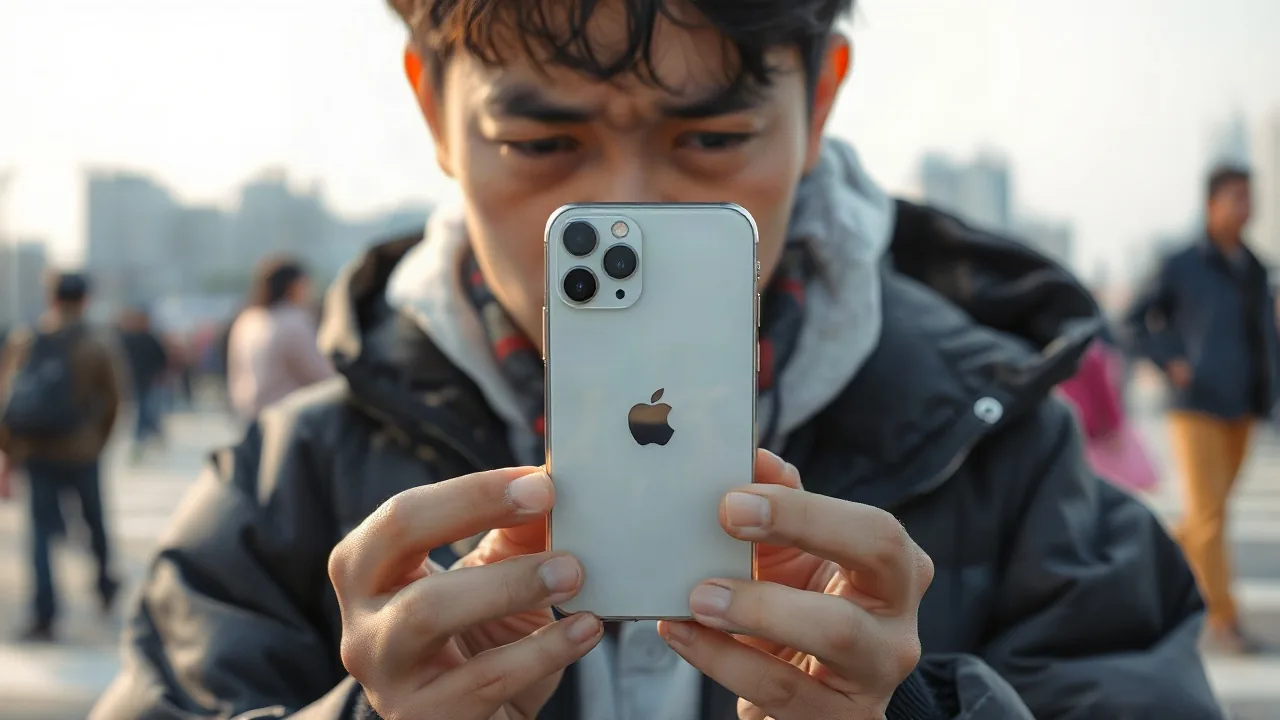
SEOUL – Apple's highly anticipated foldable smartphone, the iPhone Duo, is experiencing a wave of returns in South Korea, with a significant number of buyers citing screen defects and hinge-related issues. The phenomenon, dubbed 'Crackgate' by local consumers, has led to frustration and a swift backlash against the tech giant's latest premium offering, even impacting sales for devices that appear undamaged.
Reports indicate that numerous users have encountered screen cracking shortly after unboxing their new iPhone Duo, often within the first few hours of use. These issues seem to stem from the device's complex hinge mechanism, which, according to multiple user accounts and technical analyses, can exert pressure on the flexible display, leading to cracks without any external force or mishandling. This has fueled a sentiment of distrust among consumers who invested upwards of $2,000 for the cutting-edge device.
Consumer Frustration Mounts Over Quality Control
The widespread nature of these defects has prompted Apple to acknowledge the problem and offer replacements for affected units. However, the damage to consumer confidence may be substantial, particularly in a market known for its discerning tech-savvy population. "I felt blind panic," described one user who found their new iPhone Duo's screen had cracked within hours of setup, a sentiment echoed by many others across online forums and social media platforms.
This issue is particularly damaging for Apple as it enters the competitive foldable smartphone market, a segment where brands like Samsung have already established a significant presence. The iPhone Duo's premature failure, even without apparent physical damage, suggests potential underlying design or manufacturing flaws. Analysts point out that the delicate nature of foldable screens, combined with intricate hinge engineering, presents a formidable challenge for any manufacturer, but Apple's reputation for quality control makes these early failures all the more surprising.
South Korean consumers, who are often early adopters of new technology, have historically held Apple products in high regard. However, the 'Crackgate' incident has led to a noticeable increase in returns, even for devices where no visible fault was present. This suggests that the fear of potential future defects, fueled by widespread reports and media coverage, is deterring some buyers from keeping their expensive new phones. The decision to return a device solely based on the reputation of widespread issues, without experiencing them personally, highlights the severity of the quality concerns.
Industry observers are closely monitoring Apple's response and its ability to rectify the situation. Beyond offering replacements, the company may need to implement more robust quality assurance measures and potentially redesign critical components of the iPhone Duo to restore faith in the product line. The success of foldable technology hinges on reliability and durability, and any perceived weakness can have long-lasting implications for market adoption and brand perception. Apple's handling of this crisis will be a crucial test of its resilience and commitment to customer satisfaction in the face of unexpected technical challenges.
The immediate impact is a dip in sales and an increase in customer service inquiries, but the long-term consequences could affect Apple's standing in the premium smartphone sector, especially as other manufacturers continue to refine their own foldable offerings. The company has stated it is investigating the root cause of the screen issues and will take necessary steps to address them, but for many consumers in South Korea, the damage may already be done.