
Lenovo Chromebooks With Gemini Key Leaked
Images of upcoming Lenovo Chromebooks, reportedly codenamed 'Googlebook,' have surfaced online, showing a new design and a dedicated AI key.

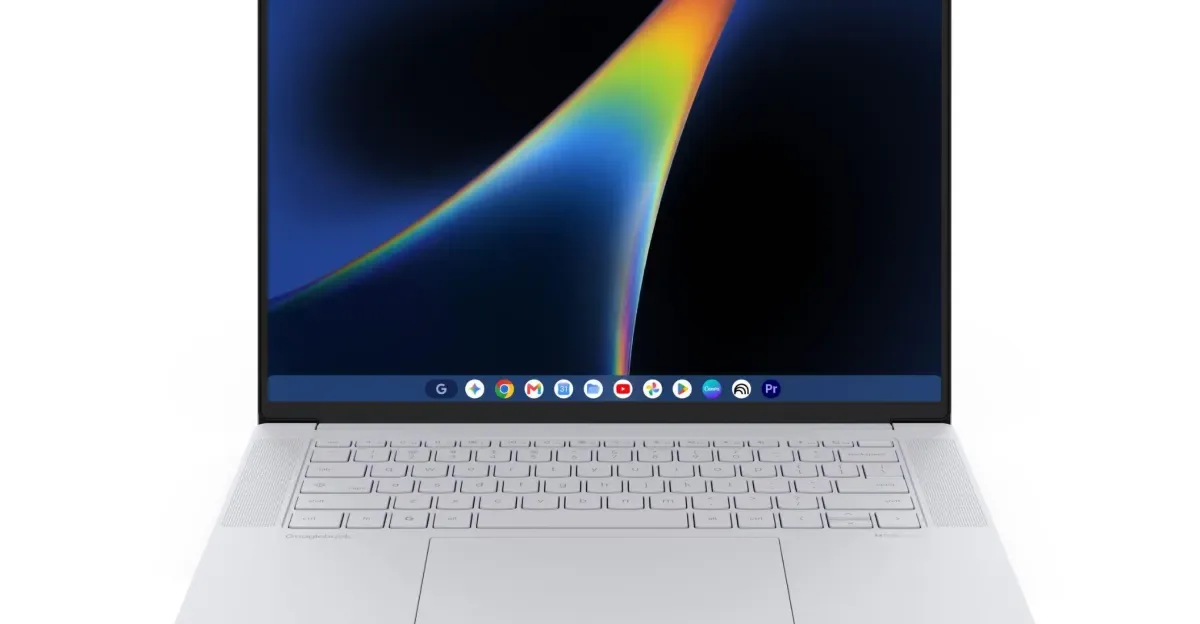
New images of what are believed to be Lenovo's upcoming Chromebooks have surfaced online, offering a glimpse of potential new hardware for the Chrome OS ecosystem. The leaked images, shared by a source familiar with the matter, show two distinct devices: a traditional laptop and a 2-in-1 convertible tablet. Both devices appear to feature a redesigned chassis and, notably, a dedicated key on the keyboard that resembles the AI or Gemini branding.
The purported laptop model sports a clean, modern aesthetic with a silver finish and a full-sized keyboard. The 2-in-1 tablet, on the other hand, presents a more compact form factor, likely with a detachable or foldable keyboard, aimed at increased portability and versatility. The presence of a distinct key, often referred to as the 'Gemini key,' suggests integration with Google's AI capabilities, potentially offering quick access to AI-powered features directly from the device's hardware.
What the 'Gemini Key' Could Mean for Chromebooks
This potential addition of a dedicated AI key aligns with the broader industry trend of integrating artificial intelligence more deeply into personal computing. If these devices are indeed designed to leverage Google's Gemini AI models, it could unlock a range of new functionalities for Chrome OS users, from enhanced search and content creation to improved productivity tools. Google has been actively developing its AI technologies, and hardware integration is a logical next step to showcase these advancements. The inclusion of such a key could signal a new generation of Chromebooks optimized for AI-assisted tasks.
The leaks come at a time when Chromebooks continue to be a popular choice for education and budget-conscious consumers, offering a balance of performance, security, and affordability. Lenovo has been a significant player in the Chromebook market, consistently releasing a variety of models to cater to different needs. The emergence of these 'Googlebook' prototypes suggests that the company is preparing to introduce next-generation hardware that embraces emerging AI technologies.
While the exact specifications and release dates remain unconfirmed, the visual evidence provides a compelling preview of what Lenovo and Google might have in store for the Chromebook lineup. Industry analysts suggest that devices featuring dedicated AI hardware could begin appearing more frequently in the market throughout 2026 and beyond, as manufacturers seek to differentiate their products and offer enhanced user experiences. The success of these new models will likely depend on the seamless integration of AI features and the overall performance and value proposition they offer to consumers.