
Nintendo Switch 2 Sales Decline Amidst Expected Price Hike
Nintendo's Switch 2 console sales have seen a significant drop of 34.4 percent year-over-year, falling to 3.82 million units in the latest quarter. The decline comes ahead of an anticipated price increase in the U.S.

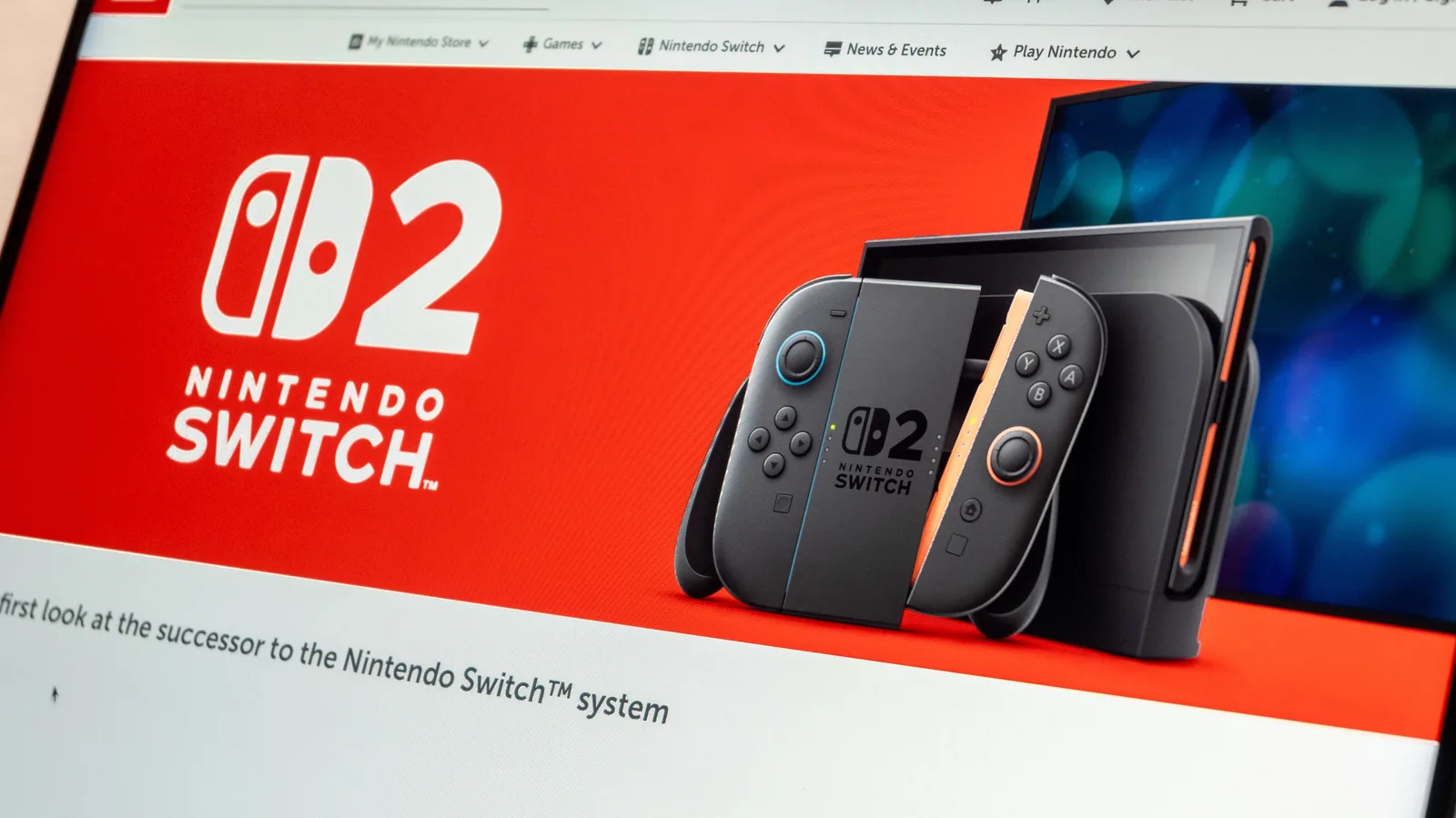
Nintendo reported a 34.4 percent decrease in sales for its Switch 2 console compared to the same period last year, with 3.82 million units shipped in the most recent quarter. Despite the dip, the company expressed confidence, noting that "many consumers continued to adopt the system, encouraged by the release of new titles and other factors," according to its earnings presentation. The current sales total for the Switch 2 stands at 23.68 million units, surpassing the original Switch's performance at this stage.
The console's sales slowdown precedes a projected price adjustment in the United States, scheduled for September 1, 2026. The retail price is expected to climb from $450 to $500. Nintendo, however, is maintaining its sales forecast of 16.5 million Switch 2 units for the fiscal year 2027, which concludes in March 2027. This forecast follows a record-breaking previous year, where the company sold 19.86 million Switch 2 consoles.
Financial Performance Beyond Hardware
Beyond the hardware figures, Nintendo exceeded revenue expectations, largely propelled by robust game sales and unexpected tariff refunds totaling approximately $300 million. Software sales for the Switch 2 saw a year-on-year increase, with Tomodachi Life: Living the Dream leading the charge, shipping 7.96 million copies within its initial three months. Other strong performers include Pokémon Pokopia, which sold 1.27 million copies outside of Japan, alongside titles like Mario Kart World and Donkey Kong Bonanza.
However, the company acknowledged potential headwinds in the form of escalating component costs, particularly for memory, and ongoing tariff implications. "An impact of approximately 100.0 billion yen ($633 million) due to rising component prices, particularly for memory, and tariff measures has been factored into cost of sales," Nintendo stated in its filing. This financial outlook is contrasted by the success of Nintendo's spin-off media content. The Super Mario Galaxy Movie has achieved over $1 billion in global box office revenue since its April 1st debut, positioning it as the second highest-grossing game-based film of all time, trailing only the first Mario movie.
This dual performance highlights Nintendo's evolving business model, where strong software and movie revenues can help offset hardware sales fluctuations. The company's ability to navigate rising production costs while capitalizing on its established intellectual properties remains a key factor in its sustained market presence.