
OnePlus Nord CE6 Halves Promised OS Updates, Sparks User Concern
OnePlus' new Nord CE6 smartphone launches with fewer OS updates than its predecessor, despite marketing promises of long-term performance. The device will only receive two major Android version upgrades.

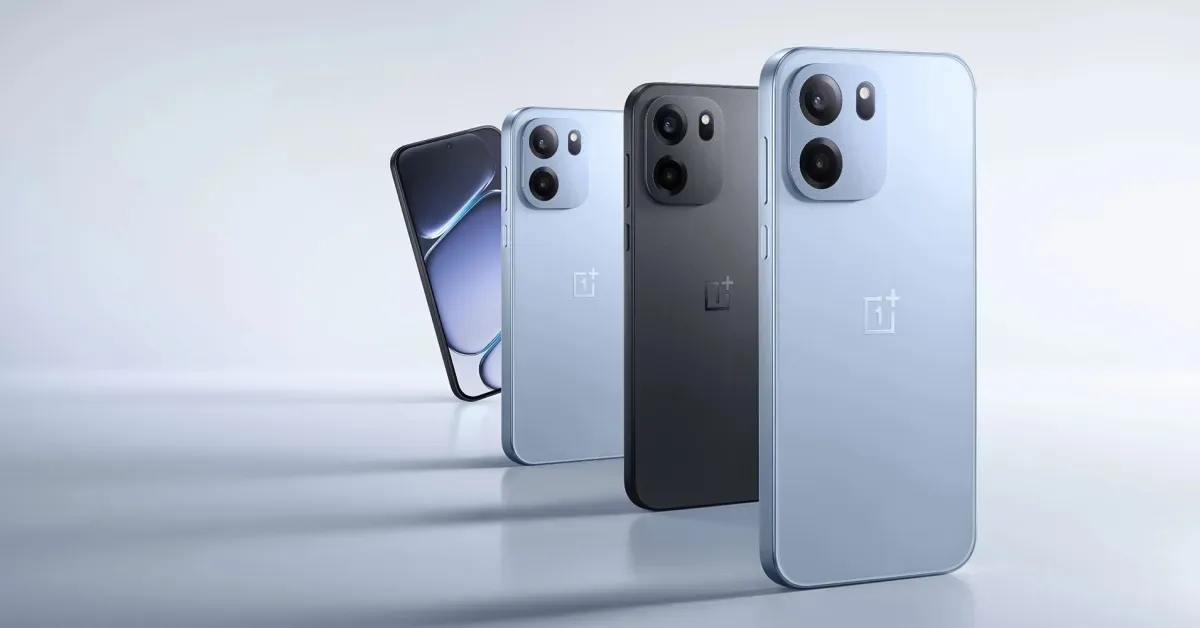
The recently launched OnePlus Nord CE6, a mid-range smartphone released in select markets, is drawing criticism for significantly reducing its promised operating system updates. While the device boasts impressive hardware for its price point, including a 6.78-inch 144Hz display, a Snapdragon 7s Gen 4 chipset, 8GB of RAM, a 50MP rear camera, and a substantial 8,000 mAh battery, its software support falls short of expectations.
OnePlus advertised that the Nord CE6, which starts with OxygenOS based on Android 16, would offer a "Fast and Smooth for 6 years" experience. However, it has been revealed that the phone will only receive two major Android OS upgrades, topping out at Android 18. This is a step down from its predecessor, the OnePlus Nord CE5, which is expected to receive one additional update, reaching Android 19. This reduction in software longevity has caused concern among consumers and tech observers.
Software Support Discrepancies
The company's marketing materials appear to be misleading regarding the extent of software support. While the "6 years" promise is prominently featured, a closer examination of the footnotes on OnePlus' website reveals that this pertains to "system fluency" rather than guaranteed OS or security updates. This metric is calculated over 72 months, or six years. Further clarification in a blog post suggested this promise is focused on long-term system reliability and performance maintenance, not necessarily new Android versions.
Adding to the confusion, reports indicate that the OnePlus Nord CE6 might only receive four years of security updates, a detail not clearly communicated by the manufacturer. Industry tracker GSMArena noted that OnePlus declined to comment on the specifics of the Nord CE6's software update policy. This lack of transparency is particularly concerning given the brand's history and recent strategic shifts.
The reduced update cycle comes at a time of reported integration between OnePlus and its sister company, Realme. Recent reports have also suggested a potential scaling back of global operations for OnePlus, including staff reductions and an evaluation of its presence in markets like Europe. These developments, coupled with the diminished software support for the Nord CE6, have fueled speculation about the company's future direction and commitment to its existing user base.
This situation highlights a growing trend in the smartphone industry where manufacturers are extending hardware lifecycles while shortening software support timelines. For consumers investing in a device, particularly in the mid-range segment where budget constraints are significant, the longevity of software updates is a crucial factor. Fewer OS and security updates can mean missing out on new features, performance improvements, and critical security patches, potentially rendering the device less secure and functional over time. The OnePlus Nord CE6 case serves as a stark reminder for buyers to scrutinize software support promises beyond marketing slogans and to consider the long-term value proposition of their smartphone purchases.