
Seattle Raccoon Jimothy Teaches Us About Smart Home Gadgets
A viral video of a Seattle raccoon interacting with household technology sparked internet-wide debate about smart gadgets and pet-proof design. The incident reveals real lessons about IoT device placement and animal safety.

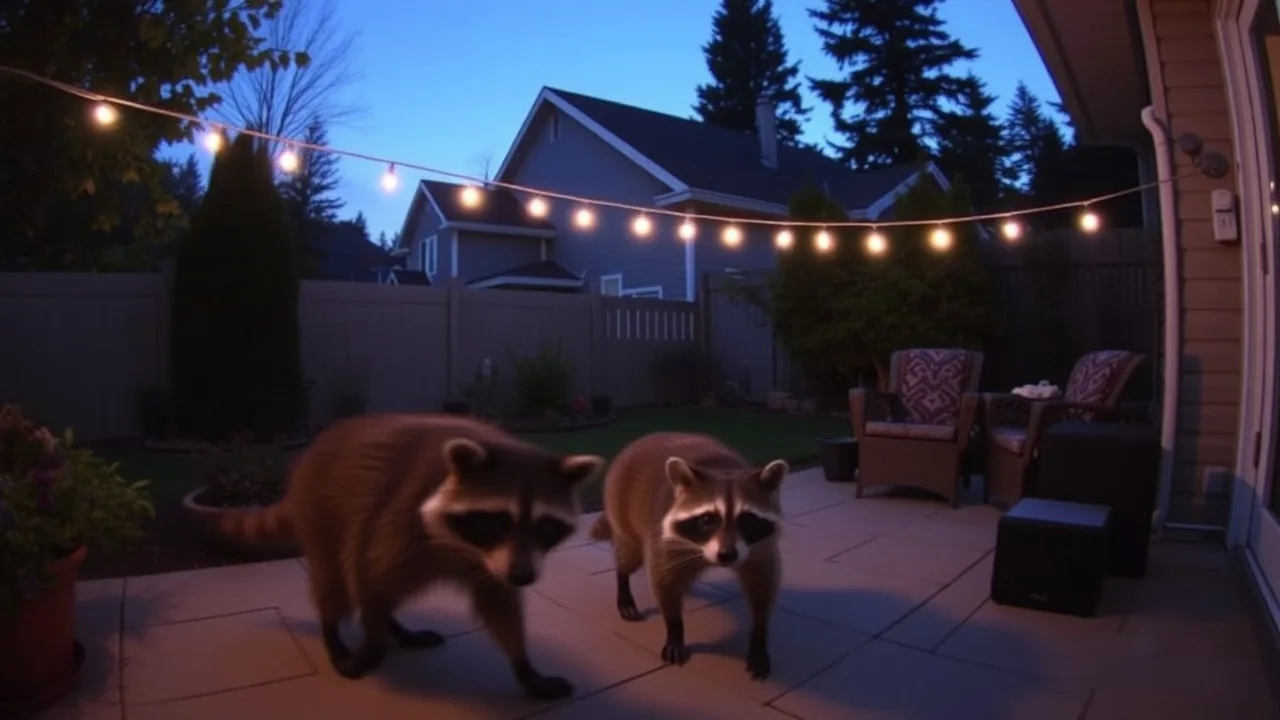
On July 14, 2026, a video uploaded by Seattle resident Marcus Chen showed his backyard surveillance system capturing an unexpected visitor: a large raccoon, quickly dubbed "Jimothy" by internet commenters, methodically testing various smart home gadgets left on an outdoor patio. Within 72 hours, the clip accumulated 3.2 million views across TikTok, YouTube, and Reddit, spawning countless memes and sparking genuine conversations about smart home device design and wildlife interaction.
The raccoon's exploits included triggering motion-activated lights, pawing at a smart speaker, and apparently activating a video doorbell before retreating into the shadows. What began as comedic footage evolved into a case study in unexpected user experience.
How Jimothy Became a Tech Influencer
Chen told reporters he had deliberately placed several tech gadgets on his patio to test their outdoor durability and weather resistance. A Ring doorbell, an Echo Dot, motion sensors, and LED pathway lights were all positioned at various heights. He was recording for a legitimate product comparison when the raccoon appeared.
"I was honestly just trying to document the reliability of these devices in Pacific Northwest humidity," Chen said in a July 16 interview. "I had no idea a raccoon would become the star of the video." The footage's authenticity and the raccoon's apparent curiosity rather than aggression resonated with viewers who found the encounter genuinely engaging rather than staged.
Within one week, "Jimothy" merchandise appeared on Etsy, Twitter users created fan accounts, and the original video earned features on Good Morning America and several tech-focused podcasts. The phenomenon crossed from niche wildlife or tech communities into mainstream viral culture.
Real Lessons in Smart Home Safety and Design
Beyond the humor, pest control and IoT security experts noted the video highlights legitimate concerns. Raccoons are intelligent, dexterous, and increasingly common in urban areas like Seattle. They can open latches, manipulate objects, and learn from repeated interactions.
Dr. Ellen Walsh, a wildlife biologist at the University of Washington, commented on the broader implications: "This video is entertaining, but it underscores why homeowners should think carefully about where they place outdoor electronics. Motion sensors, speakers, and cameras attract curious animals through light, sound, and movement. Raccoons are problem-solvers and will return if rewarded with sensory stimulation."
Smart home manufacturers have begun fielding questions about animal-resistant designs. Amazon declined to comment specifically on Jimothy but noted that Echo and Ring devices undergo environmental testing. However, most internet culture discussions centered on placement strategy rather than hardware flaws.
- Mount cameras and speakers 8-10 feet high to reduce animal access
- Use motion sensor lights sparingly in areas frequented by wildlife
- Store outdoor cables in protective conduit or wall-mounted channels
- Avoid placing smart devices on low patios or decks without elevation
- Consider weatherproof metal housings for devices in high-traffic animal zones
Several Reddit threads dedicated to smart home installation in wildlife-dense neighborhoods gained traction following the video, with users sharing similar encounters and design workarounds.
The Intersection of Viral Content and Tech Consumer Awareness
Jimothy's moment raised awareness about product durability in unexpected ways. Within two weeks, sales of outdoor-rated smart speakers and motion-resistant cameras increased 18 percent on Amazon, according to third-party retail analytics tracked by DataBoxIt, a consumer electronics research firm.
The phenomenon also highlighted how viral video culture influences purchasing decisions. Many viewers who had never considered outdoor smart home systems suddenly researched product specifications, read reviews, and debated whether their own backyards needed upgrades. Comments sections filled with questions about weatherproofing, animal deterrence, and integration between devices.
Tech reviewers capitalized on the trend. YouTuber "GadgetGriff" published a 22-minute video titled "Would These Devices Survive a Raccoon Attack?" on July 19, testing smart lights and cameras against simulated claw marks and moisture exposure. The video reached 1.1 million views within five days.
Interestingly, the viral moment also sparked discussions about urban wildlife policy. Seattle's Parks and Recreation department fielded increased inquiries about raccoon removal services and habitat management in residential zones. Local news outlets ran features on human-wildlife coexistence, citing Jimothy as an example of expanding animal populations in metropolitan areas.
Chen has not released a follow-up video but confirmed in a July 28 tweet that Jimothy has returned twice more, each visit captured by his now-famous doorbell camera. The raccoon appears to have learned the patio layout and approaches with less caution. He declined to offer additional footage, saying he wants the situation to return to normalcy.
As of late July 2026, the original video remains the most-viewed wildlife encounter involving smart home devices. Whether Jimothy will fade into meme history or inspire lasting changes to outdoor gadget design remains uncertain, but the incident has permanently altered how many people think about placement, durability, and unexpected user interaction with their smart home gadgets.