
Sony Bravia 6 OLED TV Arrives with Lower Price Point
Sony unveiled its new Bravia 6 OLED TV, aiming to capture the mid-range market. The TV will compete with offerings from LG and Samsung, starting at $1,300.

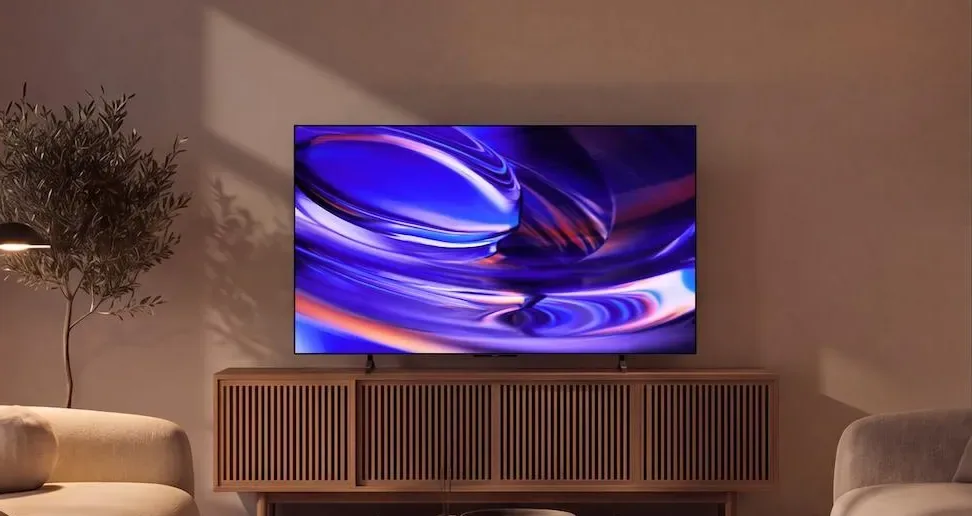
Sony has officially launched the Bravia 6 OLED TV, a new model designed to offer premium OLED technology at a more accessible price point. This release positions the Bravia 6 to directly challenge established mid-range OLED competitors from brands like LG and Samsung in the 2026 television market. The new television was initially hinted at in June when it appeared on a wall-mounting compatibility chart on Sony's website.
The Bravia 6 OLED series will be available in five sizes, ranging from a compact 48-inch display up to a large 83-inch screen. Pricing starts at $1,300 for the smallest model and extends to $4,000 for the 83-inch version. These figures are designed to be competitive with popular models such as the LG C6 OLED and Samsung's S90H QD-OLED televisions, indicating Sony's strategy to broaden its OLED market share. The television features a 120Hz panel, supports advanced HDR formats including Dolby Vision, and offers immersive audio capabilities with Dolby Atmos and DTS:X. For connectivity, it boasts four HDMI 2.1 inputs, which are essential for next-generation gaming consoles and high-bandwidth content.
While the inclusion of four HDMI 2.1 ports could suggest the Bravia 6 is equipped with a MediaTek Pentonic 800 System-on-Chip (SoC) – a component that is a prerequisite for Dolby Vision 2 support – Sony has not yet confirmed this specification. This detail could be significant for videophiles seeking the absolute latest in picture processing technology. The television runs on the Google TV platform, enhanced with Gemini AI capabilities, offering a streamlined and intelligent user experience for content discovery and device control. The built-in microphone allows for hands-free operation through Gemini.
Enhanced Remote and User Interface
In addition to the display technology, Sony has also redesigned the remote control for the Bravia 6 OLED. The new remote features streaming service shortcut buttons positioned at the top, a departure from previous designs. A larger, more centrally located directional pad is surrounded by essential navigation buttons like Home, Settings, and Back. Volume and channel toggles are situated towards the lower section of the remote, aiming for a more intuitive and ergonomic user experience. The integration of a microphone within the remote further enhances the smart TV features, allowing users to interact with Google TV's Gemini assistant seamlessly.
Sony's move into the more affordable OLED segment signifies a growing trend in the television industry. As OLED technology matures, manufacturers are increasingly looking for ways to make these high-quality displays accessible to a wider consumer base. This strategy not only aims to increase unit sales but also to maintain brand loyalty by offering competitive features across different price tiers. The mid-range TV market is particularly crucial, as it represents a significant volume of sales for consumer electronics companies. By offering a competent OLED option below its premium lines, Sony hopes to capture consumers who might otherwise opt for high-end LCD or QLED displays from competitors.
The Bravia 6 OLED's specifications place it as a strong contender for consumers prioritizing picture quality without the top-tier price tag. The combination of a 120Hz refresh rate, comprehensive HDR support, and modern smart TV features, all packaged in a competitive price range, makes it a notable release for 2026. Industry analysts will be watching closely to see how the Sony Bravia 6 OLED TV performs against established rivals in real-world testing and consumer reception.