
Sony RX10 V Camera Launches with Advanced AI Autofocus and 4K 120fps Video
Sony's new RX10 V superzoom camera boasts an overhauled design, AI-powered autofocus, and impressive video capabilities, including 4K at 120fps. It also features a 24-600mm lens.

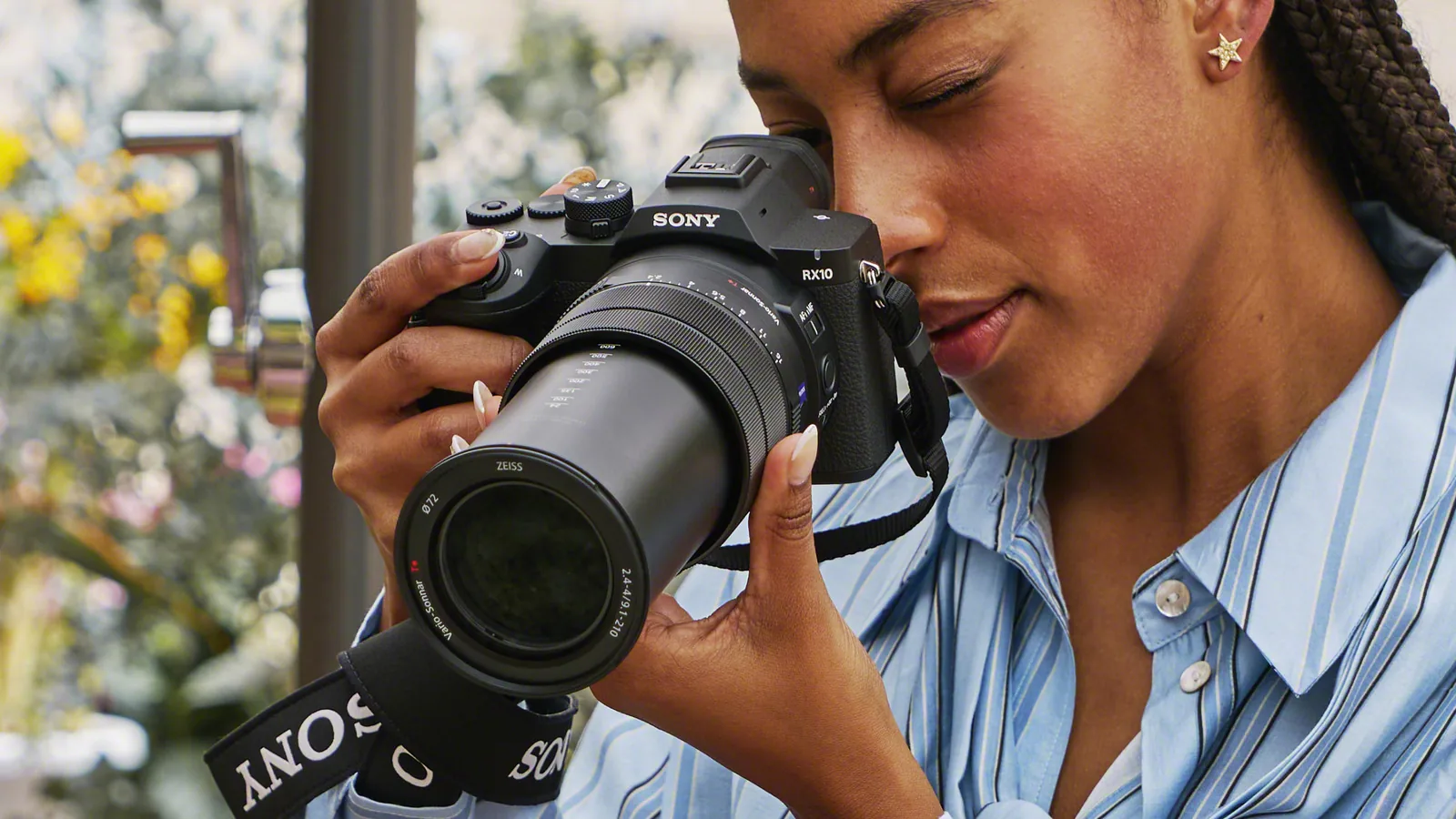
Sony has officially launched the RX10 V, a significant update to its superzoom compact camera line. The new model features a redesigned body, an enhanced AI-driven autofocus system, and significantly upgraded video specifications, including the ability to shoot 4K footage at up to 120 frames per second. This release marks a departure from the nine-year-old RX10 IV, offering a more modern aesthetic and advanced performance for photographers and videographers seeking extensive reach.
The RX10 V is equipped with a 20.1-megapixel 1-inch stacked sensor paired with a versatile 24-600mm equivalent f2.4-4.0 optical zoom lens. While the sensor resolution remains the same as its predecessor, the new processor enables a remarkable 30 fps burst shooting rate with no blackout using the electronic shutter, an improvement over the RX10 IV's 24 fps. A standout feature, borrowed from Sony's latest mirrorless cameras, is the "continuous shooting speed boost," allowing photographers to instantly access the maximum burst speed to capture fleeting moments.
One of the most notable advancements is Sony's overhauled autofocus system, which now leverages artificial intelligence for superior subject detection and tracking. Moving beyond basic human and animal recognition, the RX10 V can identify and track faces, eyes, heads, and bodies of humans, birds, and animals. It also extends to vehicles such as cars, trains, and airplanes, as well as insects. A dedicated deep AI processor ensures consistent tracking, even when subjects turn away or move erratically. The autofocus and auto exposure (AF/AE) tracking speed has been doubled to 60 fps, with an increase to 575 phase-detection autofocus points covering 70 percent of the sensor.
Enhanced Video and Design Updates
Videographers will appreciate the substantial upgrades, with the RX10 V capable of recording 4K 60 fps 10-bit video in All-Intra, XAVC S, and XAVC HS formats, utilizing the full sensor width for maximum sharpness. For super slow-motion capture, users can achieve 4K at 120 fps, albeit with a slight crop, or 1080p at 240 fps. The camera also supports Sony's S-Log3 profile for improved dynamic range and allows for the import of up to 16 LUTs (Look-Up Tables) to preview desired "looks" in-camera. Sony has also refined the built-in image stabilization, providing smoother footage even when the camera is in motion.
The physical design of the RX10 V has been completely reimagined, moving away from the RX10 IV's more traditional appearance to a sleeker, squared-off aesthetic that aligns with Sony's A7 series cameras. It features a substantially larger grip for improved handling. The control layout is comprehensive, including a joystick, three control dials, a control wheel, a new dual top dial with a photo/video/S&Q selector, and an AF-ON button. Both the electronic viewfinder (EVF) and the rear LCD screen have received resolution upgrades to 3.69 million dots and 1.62 million dots, respectively. However, the rear screen only tilts, which may be a limitation for vloggers or those who frequently shoot selfies.
The camera includes a single UHS-II SD card slot and uses the large NP-FZ100 battery, providing up to 630 shots per charge. Connectivity options include a micro HDMI port, 3.5mm microphone and headphone jacks, and a new high-speed USB-C port for charging and data transfers. Notably, the RX10 V now supports live streaming directly up to 4K 30 fps. Despite these advancements, the camera comes with a $2,300 price tag, positioning it at the higher end of the compact camera market.