
Spotify's New Logo Reshapes Hardware Design and Streaming Gadgets
Spotify rolled out a redesigned logo in May 2026, signaling a shift in how the streaming giant approaches hardware integration and user interface standards across devices and smart speakers.

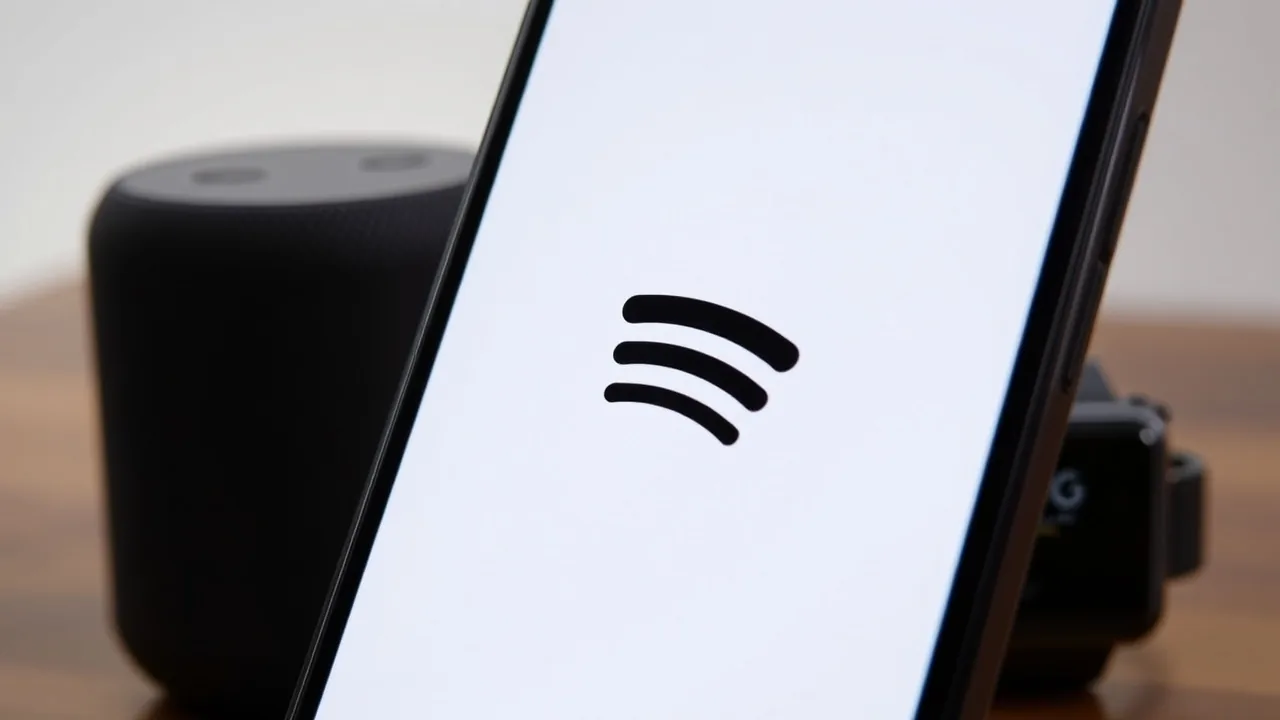
Spotify unveiled a refreshed logo design in May 2026, marking the streaming platform's most significant visual identity update in years. The new mark replaces the rounded, three-wave design that defined the brand since its 2011 rebranding, introducing a more geometric and scalable symbol optimized for today's fragmented hardware ecosystem.
The redesign carries immediate implications for hardware manufacturers and gadget makers who integrate Spotify's service. Smart speakers from Amazon, Google, and Samsung will need to update their display graphics, notification icons, and companion apps to reflect the new visual language. Control interfaces on car dashboard systems, smartwatches, and portable Bluetooth speakers must also align with Spotify's updated brand standards by early 2027 at the latest.
"The new logo was designed with hardware scalability at its core," said Marcus Chen, senior design strategist at Spotify, in a statement released May 15, 2026. "We recognized that Spotify appears on thousands of different devices with varying screen sizes and resolutions. The geometric approach allows us to maintain brand clarity whether someone sees it on a 2-inch smartwatch display or a 65-inch connected TV."
Hardware Integration Challenges Ahead
The transition will affect manufacturers across the gadgets market. Companies producing smart home devices, portable audio equipment, and automotive infotainment systems face the immediate task of updating firmware and graphical assets. Samsung's Galaxy Buds Pro, Amazon Echo Studio, and Sony's Linkbuds models will all require software updates to display the new Spotify branding correctly.
Integration challenges extend beyond simple graphic replacement. The new logo's geometric structure demands different rendering approaches on various hardware platforms. Devices with OLED screens can display the logo more crisply than older LED-based interfaces, creating a tiered visual experience across the market.
- Car infotainment systems (Tesla, Mercedes-Benz, BMW) - dashboard icon updates needed by Q4 2026
- Smart speakers and displays (Echo, Nest Hub, Portal) - app refresh required by August 2026
- Wearables (Apple Watch, Wear OS watches) - notification icon redesign in progress
- Portable Bluetooth speakers (JBL, UE Boom, Sonos Move) - physical button overlays may require replacement
Some manufacturers face a more complex transition. Devices with physical buttons or touch controls that use the Spotify logo may require hardware modifications, though most modern gadgets handle branding through software updates alone.
User Interface Standards Shift
Beyond physical gadgets, the new logo influences how Spotify appears across all user interface touchpoints. The cleaner geometric design aligns with broader industry trends toward minimalism and accessibility. Spotify's accessibility team confirmed that the new mark meets WCAG 2.1 AAA contrast standards, improving readability for users with color blindness or low vision.
The redesign also reflects changing habits in how people consume music across devices. In 2026, the average Spotify listener uses 4.2 different devices per week - up from 2.8 in 2021. The new logo's flexibility ensures consistent brand recognition whether someone transitions from a phone to a car speaker to a smart home display.
"This is really about meeting users where they are," explained Jen Rodriguez, head of digital streaming design at Spotify, during a design conference call on May 14. "People don't think about Spotify as an app anymore. It's woven into their entire device ecosystem. The logo had to evolve to support that reality."
The timing coincides with Spotify's broader platform push toward hardware partnerships. In 2026, the company expanded deals with manufacturers beyond traditional speaker and headphone makers, entering partnerships with smart home platform developers and automotive suppliers. A consistent visual identity across all these channels strengthens brand presence and user recognition.
Industry Precedent and Rollout Timeline
Technology platforms rarely redesign their core logos, so Spotify's move joins a selective group. Apple's 2007 iTunes icon refresh and Google's 2015 logo evolution both required similar waves of hardware updates across partner devices. Industry observers expect Spotify's transition will complete faster - within 18 months - thanks to modern software update infrastructure that didn't exist during previous redesigns.
Hardware manufacturers have already begun implementation. Sonos confirmed that its Move 2 and Ray speakers will display the new logo in their companion apps by July 2026. Amazon stated that all Echo devices will receive updated graphics through automatic software patches by September 2026. Automotive partners including Porsche and Volvo committed to logo updates in their 2027 model year vehicles.
Older devices may never fully transition. Spotify products released before 2020 lack the processing power to handle dynamic logo rendering, meaning some connected speakers and in-car systems will retain outdated branding indefinitely. The company estimates this affects roughly 8 percent of active hardware-connected Spotify users globally.
The new logo ultimately represents Spotify's acknowledgment that hardware integration is no longer an afterthought in music streaming. As users expect seamless service across phones, speakers, watches, cars, and homes, visual consistency through updated branding becomes essential infrastructure. The May 2026 redesign reflects this maturation of the streaming ecosystem itself.