
Vozenia: Next-Gen Hardware Innovations Redefine Tech Gadgets
Vozenia emerges as a major force in 2026 hardware innovation, introducing modular designs and AI-integrated components that reshape consumer electronics. Industry analysts see it as a turning point for sustainable, adaptable tech gadgets.

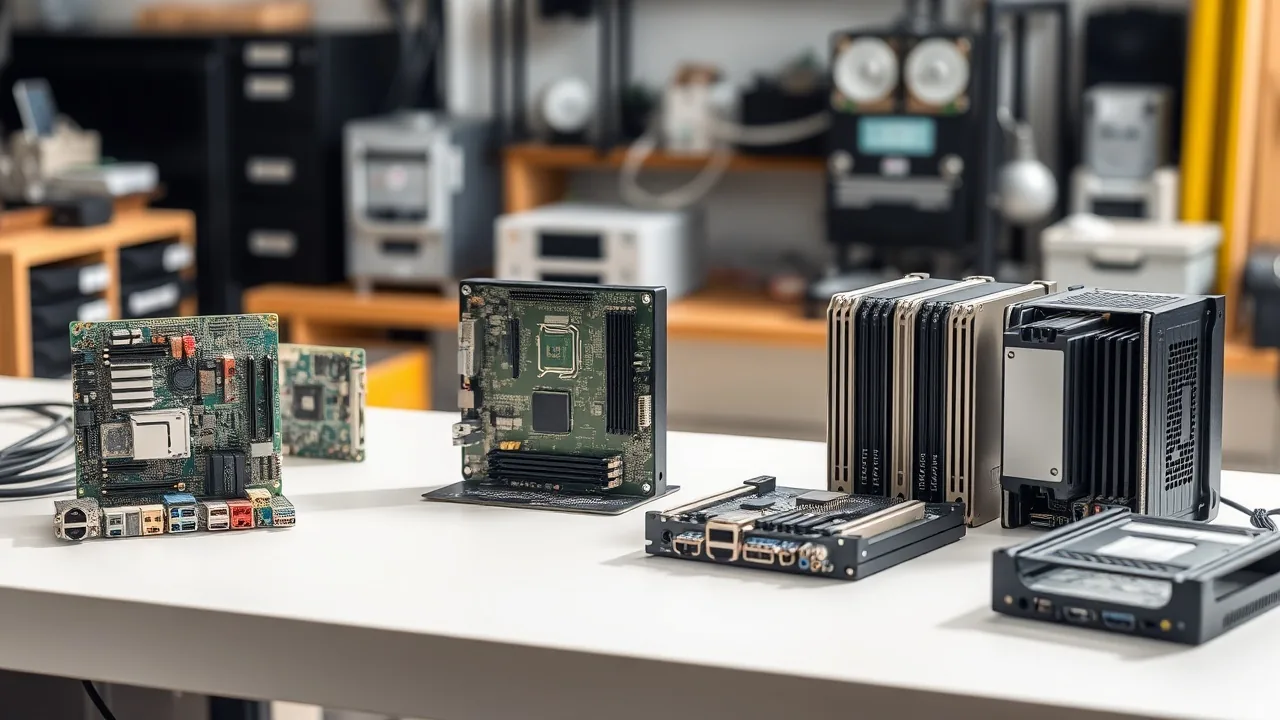
Vozenia's debut hardware line launched in June 2026 with a focus on modular architecture and AI-assisted customization, marking a significant shift in how manufacturers approach hardware innovations for mainstream consumers. The platform, revealed at TechWorld 2026 in Austin, Texas, combines interchangeable processor modules, swappable memory cards, and real-time software adaptation through embedded neural processing units.
The core philosophy behind Vozenia differs markedly from today's sealed, monolithic designs. Users can replace individual components without voiding warranties or requiring factory service, a move that appeals to sustainability-conscious buyers and early adopters tired of planned obsolescence.
"We're fundamentally changing the relationship between hardware and the people who own it," said Marcus Chen, Chief Hardware Architect at Vozenia's parent company Nextech Industries, in an interview on July 2, 2026. "Every component is user-accessible. Every subsystem can be upgraded independently. That's not incremental; that's a reset."
What Sets Vozenia Apart from Existing Tech
Current-generation tech gadgets typically follow a "black box" model: sealed enclosures, proprietary connectors, and software locked to specific hardware revisions. Vozenia inverts this pattern by publishing open hardware specifications and partnering with third-party component makers to ensure broad compatibility.
The initial product lineup includes three categories:
- Vozenia Core desktop hub with hot-swappable AI accelerator slots and modular storage bays
- Vozenia Mobile compact form factor supporting quick-swap battery packs and processing modules
- Vozenia Studio content-creator workstation with tool-specific hardware profiles and real-time hardware reconfiguration
Independent testing by Hardware Today magazine confirmed that Core users can swap a standard GPU module for a specialized AI inference card in under 30 seconds without software reinstallation. Existing configuration persists across the swap, a technical achievement that required new drivers and firmware coordination across Vozenia's ecosystem.
Pricing starts at $899 for Vozenia Mobile and $1,299 for the Core hub, positioning the line at premium tiers where product development costs for modular engineering can be absorbed more readily. Accessories and replacement modules range from $149 to $649 depending on capability.
Industry Response and Broader Implications for Future Tech
Analyst firms have flagged Vozenia as a watershed moment in consumer hardware philosophy. Research from the Institute for Technology Sustainability projects that modular hardware could capture 18 percent of the high-end PC market by 2028 if competitors follow suit.
"The real question isn't whether modularity works technically," noted Dr. Priya Sharma, Senior Analyst at TechMarket Research, in a report published July 3, 2026. "It's whether the industry can tolerate margin pressure from longer product lifecycles. Vozenia is betting that brand loyalty and upgrade frequency will offset lower replacement rates."
Environmental regulators across the EU and California have signaled support for modular designs, with hints that future e-waste mandates may favor products meeting Vozenia-style repairability standards. No formal rules have been adopted, but the regulatory climate favors emerging technology that extends device lifespan rather than shortening it.
Dell and Lenovo have announced "compatibility assessments" for Vozenia modules, though neither company has committed to full interoperability. Apple and Samsung have not publicly responded, though internal presentations obtained by the tech media suggest both are exploring modular architectures for 2027 product cycles.
Consumer demand, meanwhile, appears robust. Pre-orders for Vozenia Core exceeded 40,000 units in the first 48 hours, with shipping backlogs now extending into September. The company has brought production online at facilities in Taiwan and Vietnam to meet 2026 targets of 200,000 units annually.
The ecosystem challenge is substantial. Vozenia must cultivate relationships with dozens of component vendors, maintain driver and firmware updates across incompatible module combinations, and manage warranty liability if third-party modules cause system instability. Early reports suggest the company is handling this through a "module certification" program that vets third-party hardware before it carries the Vozenia brand seal.
Supply chain security remains unresolved. Modular designs increase the number of hardware touchpoints where supply-chain attacks could theoretically be inserted. Vozenia's white papers acknowledge the risk but have not detailed mitigation strategies beyond standard firmware verification. Cybersecurity researchers are watching closely as the platform matures.
For consumers, the practical benefit is clear: a $1,299 Vozenia Core purchased today can be upgraded with new processors, memory, and accelerators as future tech emerges, potentially extending useful life to five to seven years or more. In contrast, sealed devices are typically retired after three to four years when repair costs exceed replacement costs.
Vozenia's modular philosophy also opens possibilities for accessibility. Specialized input modules for users with motor impairments, audio-only configurations for blind users, and simplified interfaces for older adults can all be swapped in and out without hardware redesign. The company has partnered with disability-advocacy organizations to co-design a library of accessibility modules launching in Q4 2026.
Long-term viability depends on whether Vozenia can maintain cultural momentum. Early adopters are enthusiastic, but mainstream consumers often prefer simplicity and trusted brands. The company's success will hinge on execution: reliable hardware, transparent communication, and a third-party ecosystem that delivers real value beyond theoretical modularity.