
Woodure Toddler Stool Recall: What Parents Need to Know
The Consumer Product Safety Commission has issued a recall on Woodure toddler stools due to fall and tip-over hazards. Parents using connected home gadgets for child monitoring should verify product safety certifications immediately.

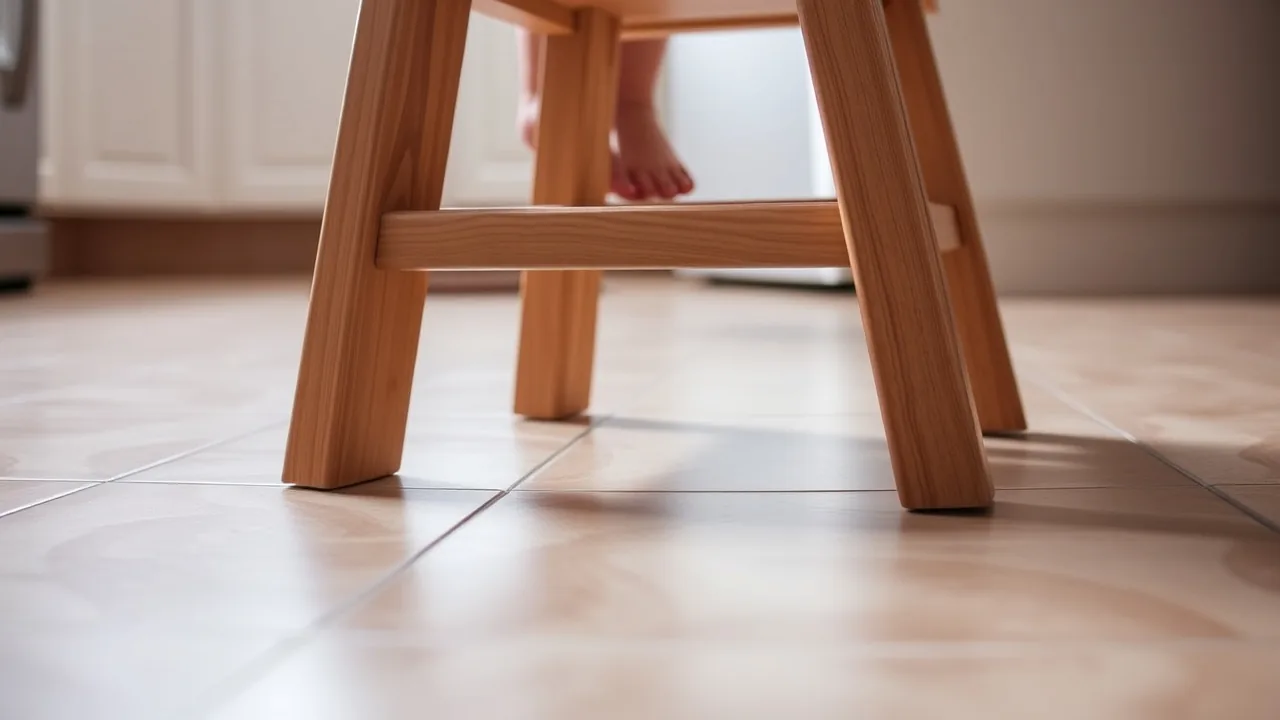
The U.S. Consumer Product Safety Commission (CPSC) announced a recall of Woodure toddler stools in late July 2026, citing serious fall and tip-over risks that could cause injury to young children. The recall affects multiple model variants sold through major online retailers and specialty stores between 2024 and 2026. Parents who purchased these stools should stop using them immediately and contact the manufacturer for a refund or replacement.
Woodure, a home furnishings brand focused on child-safe products, distributed approximately 18,000 units of the recalled stool models across North America. The CPSC investigation found that the stools lack adequate stability when children climb or apply pressure to the sides, creating a significant tip-over hazard. According to the agency, 12 incident reports tied to the product were filed before the recall was issued, with three cases resulting in minor head and facial injuries.
"Product safety is not negotiable when it comes to children," said David Friedman, director of the CPSC, in a statement released August 1, 2026. "Parents have every right to trust that items marketed for toddlers meet rigorous safety standards. This recall underscores why independent testing and certification matter."
How the Safety Issue Was Discovered
The problem surfaced when multiple parents reported their toddlers tipping over the stools while using them in kitchens and bathrooms. Video evidence submitted to the CPSC showed the stools tilting dangerously when children leaned against the sides or stood on the upper step. Woodure's own testing revealed the base width-to-height ratio fell below industry standards for stability.
The stools had passed initial third-party certification under a 2023 standard, but the CPSC's follow-up inspection in 2026 identified a critical flaw: the manufacturer had altered the base design between production batches without re-certifying the updated version. This gap in quality control allowed unsafe units to reach consumers for over 18 months.
Testing by independent safety lab RoSPA Certification confirmed that units manufactured after March 2025 failed the American Society for Testing and Materials (ASTM) F833-20 standard for children's step stools. The failure rate was 68 percent across the recalled batch numbers.
What Parents Should Do Right Now
Parents who own a Woodure toddler stool should take immediate action. First, stop using the product and remove it from accessible areas where children play. Check the product label or invoice to determine if your stool matches any of the recalled model numbers: WDS-100, WDS-120, WDS-150, and WDS-175.
The CPSC has set up a dedicated recall page with photo comparisons and batch date information. Consumers can:
- Visit the CPSC website at www.cpsc.gov and search "Woodure stool recall"
- Contact Woodure customer service at 1-866-928-3873 to verify purchase and request a prepaid return label
- Claim a full refund or request a replacement unit that meets updated safety standards
- File a complaint if a child was injured using the product
Woodure has committed to issuing refunds within 10 business days of receiving the returned stool. Replacement units manufactured in 2026 and certified under the ASTM F833-20 standard with a reinforced base will be available starting August 15, 2026.
Broader Lessons on Child Safety and Connected Home Products
This recall highlights a critical issue for parents integrating gadget safety into their homes. Many families now use baby monitors, smart cameras, and movement sensors to track their children's activities. However, those connected home devices cannot detect physical hazards in the environment itself, such as unstable furniture or recalled products.
"Parents often assume that because a product is sold online by a major retailer, it has been vetted," said Dr. Sarah Chen, child safety researcher at Johns Hopkins University. "The Woodure case shows that assumption is risky. Independent certification and ongoing vigilance matter enormously." Dr. Chen's 2025 study found that 34 percent of recalled children's products were still available for purchase on secondary marketplaces up to six months after a recall was issued.
When evaluating home electronics and physical furniture for children, parents should verify three things: official certification by an accredited lab, a clear safety label with batch and manufacturing dates, and reviews mentioning durability and stability over time. Many consumer safety experts recommend checking the CPSC's public database monthly for new recalls involving products in your home.
The Woodure stool recall also raises questions about product recall communication. Woodure did not proactively notify customers who had purchased the stool; instead, the CPSC initiated contact after receiving injury reports. Consumer advocacy groups have called for mandatory email alerts to registered purchasers as part of future recall procedures.
For parents seeking alternative step stools, the CPSC maintains a list of models that have passed recent safety testing. Products bearing the ASTM F833-20 mark and a third-party certification seal from labs such as UL, RoSPA, or SGS are generally considered safer choices. Price is not an indicator of safety, so affordable options meeting these standards exist.
The Woodure incident serves as a reminder that parenting tech and physical safety are separate but complementary concerns. Smart home gadgets can enhance supervision and convenience, but they cannot replace regular inspection of furniture, toys, and household items for hazards. Parents are advised to cross-reference any children's product they purchase against the CPSC recall database before installation and periodically afterward.