
New Xbox 'Helix' May Play Every Previous Generation Game
A leaked Microsoft memo suggests the upcoming "Project Helix" Xbox console could play games from all previous Xbox generations, but publisher approval is key.

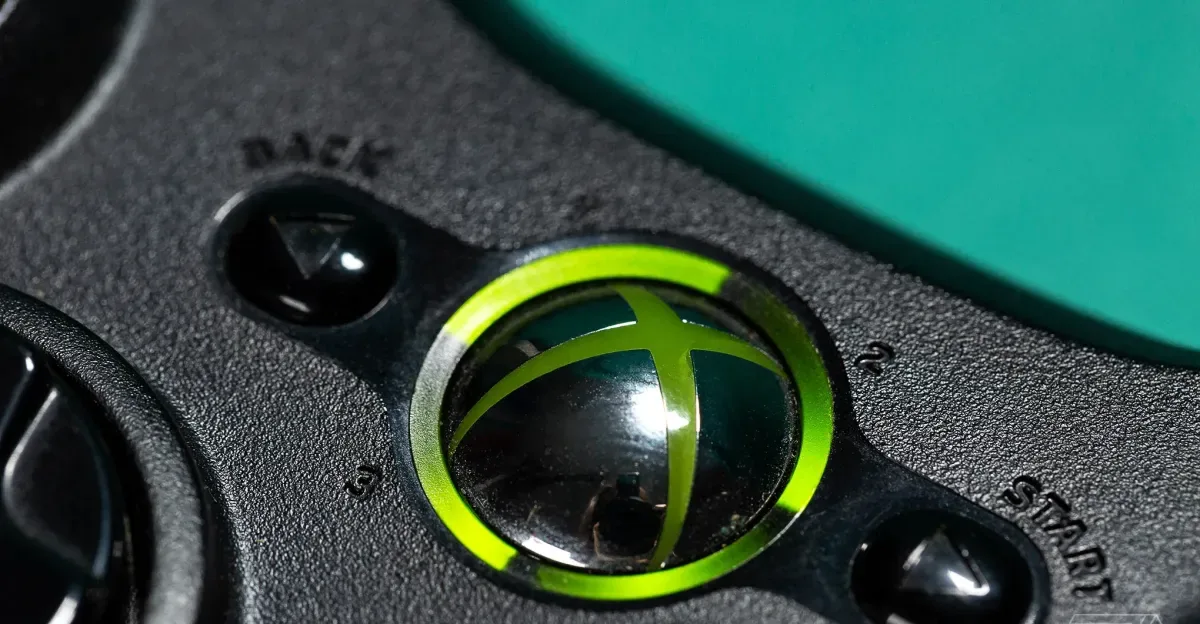
The next generation of Microsoft's Xbox console, codenamed "Project Helix," is reportedly set to offer an unprecedented library of playable titles, potentially encompassing every game released for past Xbox consoles. According to a leaked internal memo obtained by The Verge, this ambitious backward compatibility goal extends to games from the original Xbox (2001), Xbox 360 (2005), Xbox One (2013), and the current Xbox Series consoles (2020), in addition to any new titles developed for Helix. While Microsoft has previously enabled limited backward compatibility and digitizing physical discs for newer consoles, this leaked document reveals a more comprehensive strategy. It indicates that Xbox 360 games will also be accessible on PC and the new Helix platform, and that digitized Xbox One and Xbox Series discs will be transferable to "any Xbox device." This would consolidate five generations of gaming into a single platform.
However, achieving this expansive backward compatibility is far from a simple technical feat and hinges significantly on securing the cooperation of game publishers. Unlike PlayStation's recent approach of inserting older discs into newer hardware, the Helix system may not include a disc drive at all, and its success relies on publishers granting permission for their titles to be played. The leaked memo is explicitly framed as a sales pitch to publishers, highlighting benefits such as the ability to re-monetize older games. Microsoft's strategy involves offering publishers incentives, like converting physical disc owners into digital customers, even if it doesn't result in a direct new sale for every title. The company presents this as a win-win, but publisher buy-in is essential, especially for enabling the disc-to-digital conversion for older games.
Publisher Approval is Paramount
Microsoft's plan necessitates publisher consent for virtually every game title, with explicit control granted to publishers over pricing, inclusion in subscription services like Xbox Game Pass, or standalone purchase options. This requirement for publisher permission mirrors challenges faced by other platforms, such as Nvidia's GeForce Now cloud gaming service, which encountered significant backlash from publishers when attempting to stream owned PC games without explicit consent. Publishers can revoke permissions, leading to games disappearing from platforms, and many may not opt-in to such programs from the outset.
The implications of publisher control are substantial. While Microsoft itself is a major publisher, its capacity to convert older titles may be limited, especially after recent organizational changes. Between 2015 and 2021, Microsoft managed to make only a fraction of the Xbox 360 and original Xbox libraries playable on current-generation consoles. Furthermore, game availability can be precarious even with Microsoft ownership. Titles like several Forza Horizon games have been removed from digital storefronts due to expiring licenses for in-game content, such as music and car models, demonstrating that even digital libraries are not always permanent. The success of Project Helix's ambitious backward compatibility vision, including features like cloud saves for Xbox 360 titles by 2027, appears to depend heavily on convincing publishers to embrace this comprehensive approach to game preservation and access in an evolving hardware and distribution landscape.