
Xreal's Aura Smart Glasses Target Consumer XR Leap
Smart glasses maker Xreal, a Google partner, aims to overcome industry hurdles with its new Aura headset. CEO Chi Xu believes the combination of hardware, software, and user interface is finally ready for mass adoption.

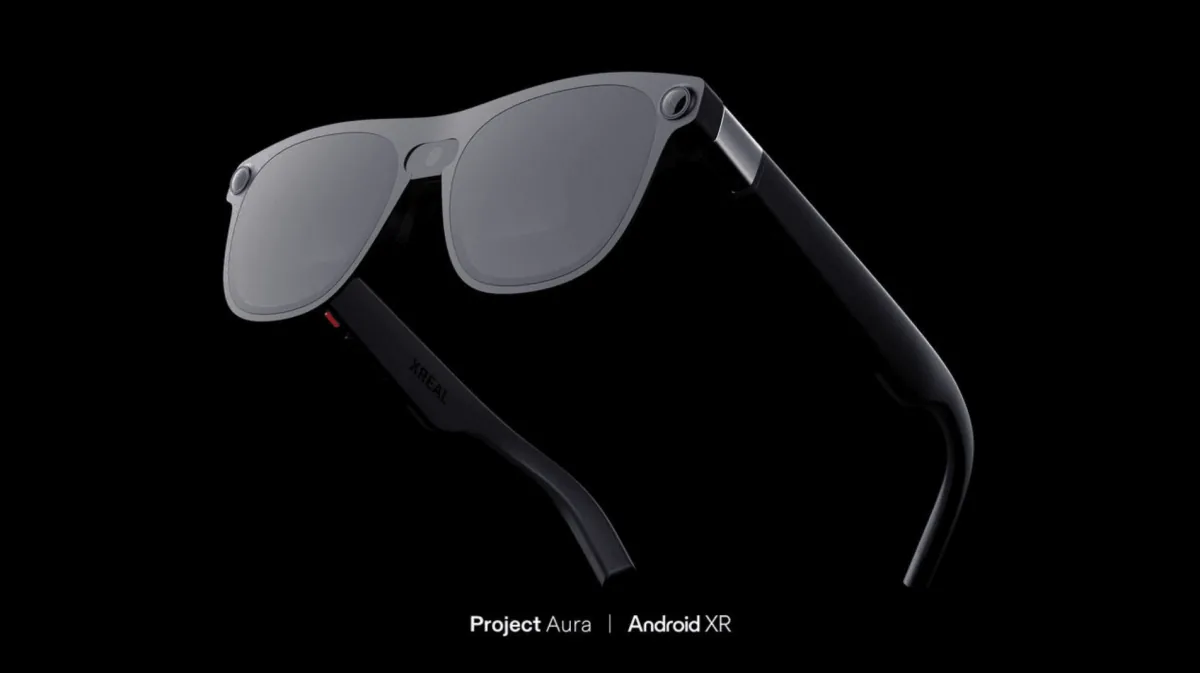
Mountain View, CA – Chinese smart glasses firm Xreal, a notable partner of Google, believes it has finally cracked the code for widespread consumer adoption of augmented and virtual reality wearables. Company founder and CEO Chi Xu revealed the latest iteration, dubbed Project Aura, at Google's I/O conference, aiming to present a functional and desirable XR device after years of industry struggles. The smart glasses sector has historically been a challenging landscape, marked by significant financial losses despite the appealing concept of integrating mobile computing directly into a wearable form factor.
“Everybody’s losing money,” Xu acknowledged, referring to the broader industry. “That’s because it’s very hard, what we’re doing.” For years, the primary obstacles have been bulky designs, discomfort, and limited practical applications. However, Xu contends that the industry is approaching an inflection point, partly influenced by the recent success of models like Meta's Ray-Ban collaboration, which has seen considerable sales, despite the division responsible still operating at a deficit.
Shifting Towards Practicality and Profitability
Xreal's approach with the Aura headset focuses on addressing the core issues of form factor and software utility. The new model features embedded OLED displays for high-resolution video viewing directly within the glasses. A notable component of the Aura system is a tethered “puck,” a compact mini-computer that powers the device, allowing users to slip it into a pocket. This configuration enables a range of immersive experiences, including an interactive Google Maps application, virtual reality YouTube content, and a unique painting app that utilizes hand-tracking technology to create personalized holographic imagery.
The company also hints at gaming capabilities, playable through similar hand-tracking interfaces, and basic web browsing functionality. Xreal promises a seamless user experience, whether for practical tasks like following a recipe while cooking, setting up a mobile workstation in a coffee shop or airplane, or enjoying entertainment on a large virtual screen at home. Xu envisions the glasses appealing not only to casual consumers but also to professionals seeking new ways to interact with digital information.
“Whether you are following a floating recipe while cooking, setting up a private workspace at a coffee shop or on a flight, or watching a movie on a virtual big screen at home, the experience is seamless,” the company stated. Xu elaborated on this potential, noting, “It’s not just about watching the NBA game in a hologram type of format, you could also go to a coffee shop and do some work.”
Currently, the smart glasses are available for developers, with a planned commercial launch later this year. Xreal is also preparing for an initial public offering (IPO) expected before the end of 2026. Beyond product development, Xu emphasized the company's focus on financial sustainability. He reported that Xreal is improving its gross margins while simultaneously reducing marketing and sales expenditures. “Next year is the year when we could actually break even,” Xu stated, signaling a strong push toward profitability in the competitive XR market.