
Android Find Hub Lets Users Remove Old Bluetooth Headphones
Google's Find Hub app on Android now allows users to remove previously paired Bluetooth headphones and earbuds, decluttering the device list. This update addresses a long-standing user request.

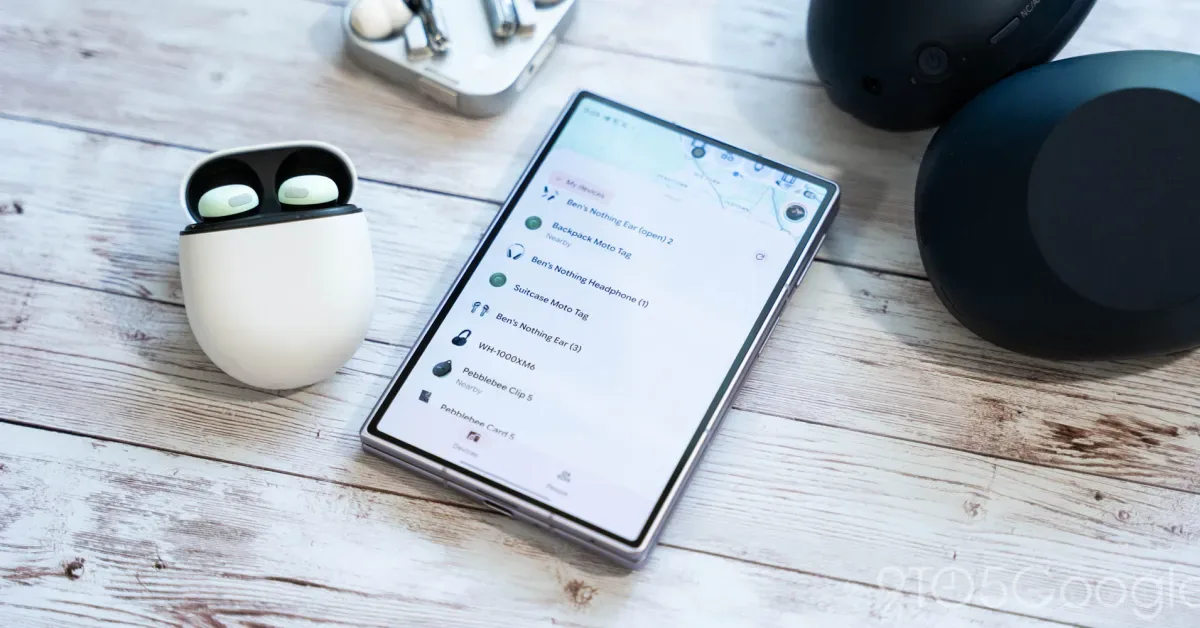
Android users can now finally remove old Bluetooth headphones and earbuds from their Google Find Hub app, decluttering a list that previously grew indefinitely with every audio device ever connected. The change, recently rolled out, addresses a persistent user frustration with the app's device management capabilities.
Previously, while smartphones, smartwatches, tablets, and dedicated Find Hub trackers could be removed after a factory reset or via specific settings, Bluetooth audio devices would remain listed in the app even after they were no longer in use or paired. This led to a lengthy and unmanageable list for many users who frequently switch between different audio gear.
Recent updates to the Find Hub app on Android have silently introduced an option to remove these audio devices. The exact location of the "Remove from Find Hub" shortcut can vary slightly depending on the specific device and app version. For instance, on a pair of Sony WH-1000XM6 headphones, the option appeared in the settings menu shortcut at the bottom of the screen. However, on older Sony LinkBuds, the same shortcut was visible on the initial screen.
Testing across various brands like Pixel Buds, Nothing earbuds, JBL speakers, and even older OnePlus Buds, confirmed that the removal option is now present for all checked audio devices, regardless of the menu layout. This fix appears to be widely available, as highlighted by a user on Reddit over the weekend, with many commenters confirming the widespread rollout.
Managing Your Connected Devices
The ability to remove old Bluetooth headphones and earbuds is a significant improvement for users who rely on the Find Hub app to keep track of their connected devices. Keeping the app tidy ensures a more efficient experience when searching for actively used items or trackers. The app's primary function remains to help users locate misplaced items, whether through dedicated trackers like the Moto Tag or by leveraging the network of other Android devices. The inclusion of UWB (Ultra-Wideband) support in trackers like the new Moto Tag 2 further enhances precision location capabilities.
Google has been steadily enhancing the Find Hub ecosystem. Earlier this year, Anker's Eufy began selling its first Android Find Hub tracker for $34.99. Furthermore, the Moto Tag 2 launched in the US with Find Hub UWB support, available for a limited time at $20. These developments indicate Google's ongoing commitment to expanding the reach and functionality of its device-finding network. The app also supports location notifications, providing users with updates on their devices' whereabouts.
This update to the Find Hub app demonstrates Google's responsiveness to user feedback, finally providing a much-needed feature for managing Bluetooth audio devices. With the growing number of connected accessories, such a management tool is essential for a seamless user experience within the Android ecosystem.