
Apple's Hybrid AI Strategy is a 'Competitive Weapon,' Says Tim Cook
Apple CEO Tim Cook highlighted the company's hybrid approach to AI, which leverages on-device processing, as a significant competitive advantage. This strategy aims to reduce cloud dependency and costs, with an updated Siri expected this fall.

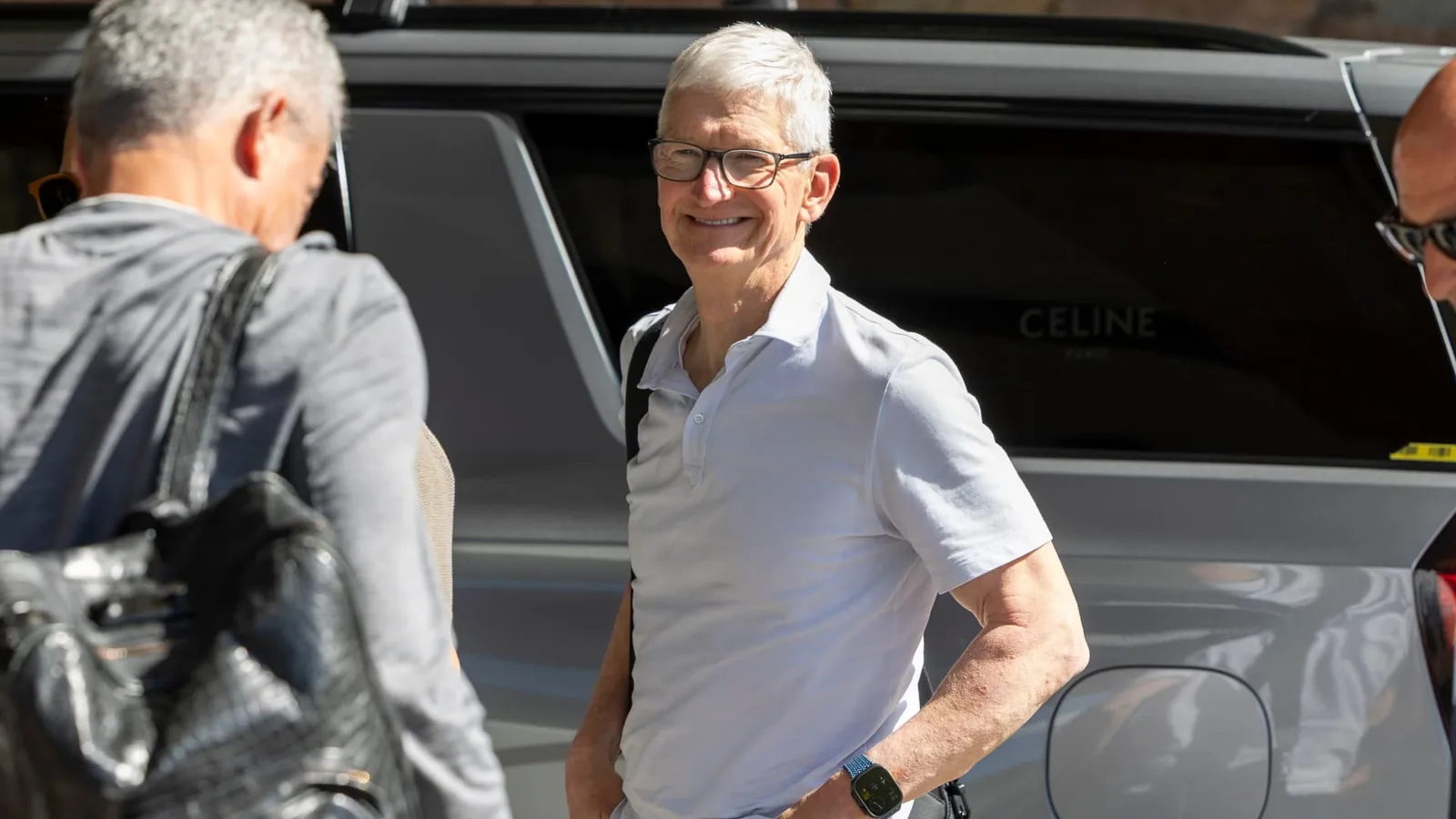
Apple CEO Tim Cook described the company's hybrid artificial intelligence strategy, which combines on-device processing with cloud capabilities, as a potent "competitive weapon" during a recent earnings call. Speaking to investors, Cook emphasized that this approach offers a distinct advantage over competitors who heavily rely on massive cloud infrastructure.
Cook, who is set to transition to the role of executive chairman in September 2026, indicated that this unique AI strategy positions Apple for significant growth. "The ability to run some percentage of requests on device is also very strategic and sort of a competitive weapon," Cook stated, signaling Apple's readiness to enhance its AI applications, including a revamped Siri scheduled for release this autumn. This move is closely watched by Wall Street as an indicator of Apple's AI capabilities.
In contrast to many hyperscale tech giants, Apple has maintained a more measured approach to capital expenditures in the AI race. While major players like Alphabet, Amazon, Meta, and Microsoft have committed over $100 billion to capital expenditures this year, Apple's spending in the June quarter totaled $2.46 billion, falling below analyst estimates. Cook clarified that while capital expenditures are lower, operating expenses, particularly in AI, are increasing. "We have been growing our opex and spending more in AI in general," he noted.
Strategic On-Device Processing
Apple's core differentiator lies in its emphasis on running a substantial portion of its AI suite, branded as Apple Intelligence, directly on user devices. This leverages the power of Apple's proprietary chips, reducing the need to transmit sensitive data to the cloud. This on-device processing not only enhances privacy but also presents potential cost savings for businesses increasingly adopting AI software.
As an example, Cook pointed to creative teams at Disney who are reportedly utilizing Macs for on-device AI workflows. These workflows help in reducing overall cloud token expenses while simultaneously ensuring the security of intellectual property. This highlights the practical benefits of Apple's hybrid model in real-world enterprise applications.
The effectiveness of Apple's hybrid strategy will be rigorously tested with the upcoming launch of Siri AI. The highly anticipated personal assistant is designed to process user queries using the iPhone's internal processor and on-device AI models. However, the capabilities of these local models have limitations for highly complex tasks. For such instances, Apple plans to integrate cloud-based solutions, utilizing infrastructure from partners like Google Cloud, which employs advanced Nvidia graphics processing units and Intel central processors.
When Apple first unveiled its AI software in June 2026, it indicated that users of its cloud models would have limits, with potential options to increase these through iCloud. This hints at a new revenue stream for Apple, as the company could monetize AI features. Although Cook mentioned that a definitive plan for charging users was not yet complete, he expressed confidence that AI would serve as a compelling selling point for iCloud subscriptions. "We do believe there will be people that want to use it a lot, and so we will have some kind of upgrade possibilities on on iCloud+," Cook said.