
Google Ads May Now Use Gmail, Photos Data
Google has updated its privacy policy, indicating that data from Gmail and Google Photos could be used for targeted advertising if a new 'Personal Intelligence' feature is enabled.

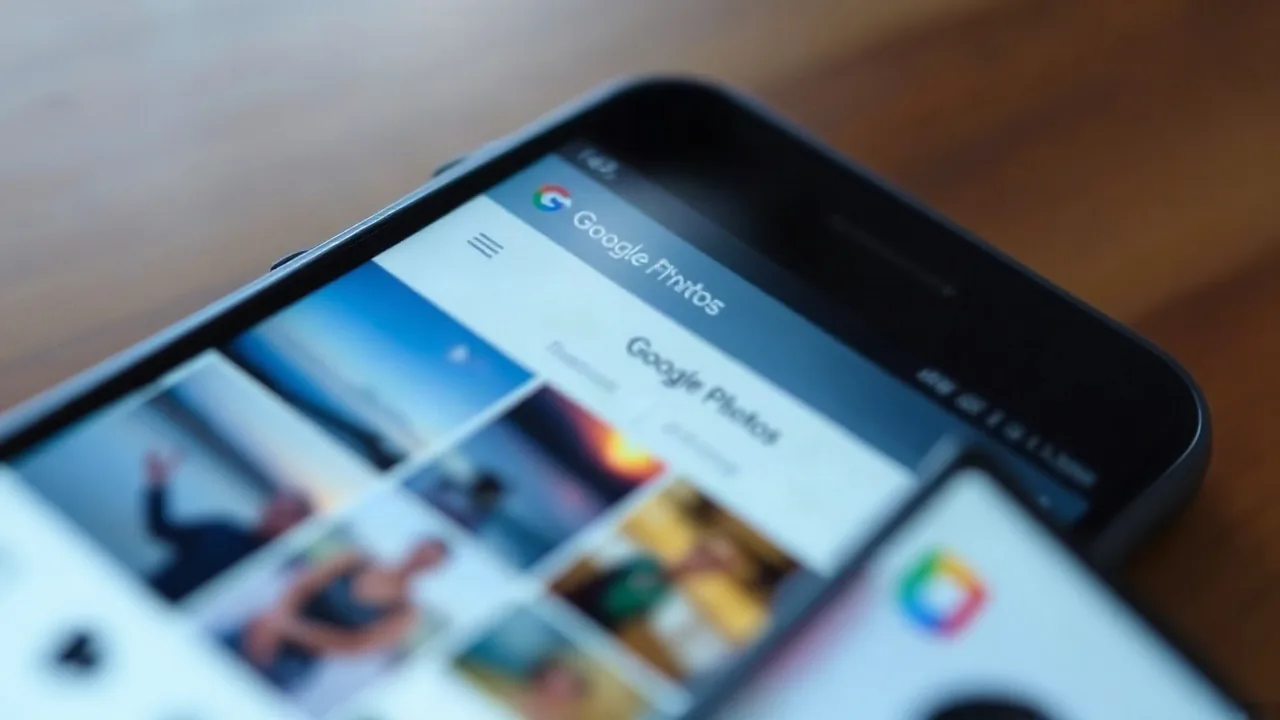
Google has updated its privacy policy to suggest that data from users' Gmail and Google Photos accounts may be utilized for targeted advertising. The change comes as part of an update that allows for the potential use of this personal information if a new feature, referred to as 'Personal Intelligence,' is activated.
The updated policy, first noted by multiple tech publications including The Verge and Ars Technica, clarifies how the company might leverage content from these deeply personal services. While Google has historically used data from search queries and browsing history for ad targeting, the explicit mention of Gmail and Photos content marks a significant shift in how user data is handled for advertising purposes. This move could raise fresh privacy concerns among its vast user base, which relies on these services for communication and photo storage.
New Feature Enables Data Use for Ads
The potential for Google to use data from Gmail and Google Photos for advertising is linked to the enablement of a feature called 'Personal Intelligence.' Details surrounding this specific feature remain somewhat sparse, but its activation appears to be the trigger for this expanded data usage. Google has stated that this move is aimed at providing more personalized and relevant advertising experiences for users. However, critics and privacy advocates are questioning the extent of this personalization and the potential implications for user privacy.
This development follows a long history of Google adapting its advertising strategies based on user data. In 2012, the company famously stopped scanning the content of Gmail messages for ad targeting. This current policy update, however, suggests a potential return to using email content, albeit under specific conditions tied to the new 'Personal Intelligence' feature. The company emphasizes that users will have control over the activation of this feature and, consequently, the use of their data for ads.
The implications for users are substantial. Millions rely on Gmail for their daily communications and Google Photos for preserving memories. The idea that content from these services could inform the advertisements they see raises questions about the boundaries of privacy in an increasingly data-driven digital landscape. Google insists that user consent and control remain paramount, and that safeguards are in place to protect personal information.
Further details about the 'Personal Intelligence' feature and the exact mechanisms of data usage are expected to be released by Google in the coming weeks. The tech giant faces the challenge of balancing its advertising-driven business model with the growing public demand for stronger data protection. Users are advised to carefully review Google's updated privacy policies and understand the settings related to data usage and personalized advertising.