
Google Android Chief Denies Liquid Glass Design for Pixel Phones
Google's Android president, Sameer Samat, has ruled out adopting Apple's "Liquid Glass" design aesthetic for Pixel phones, dispelling user speculation.

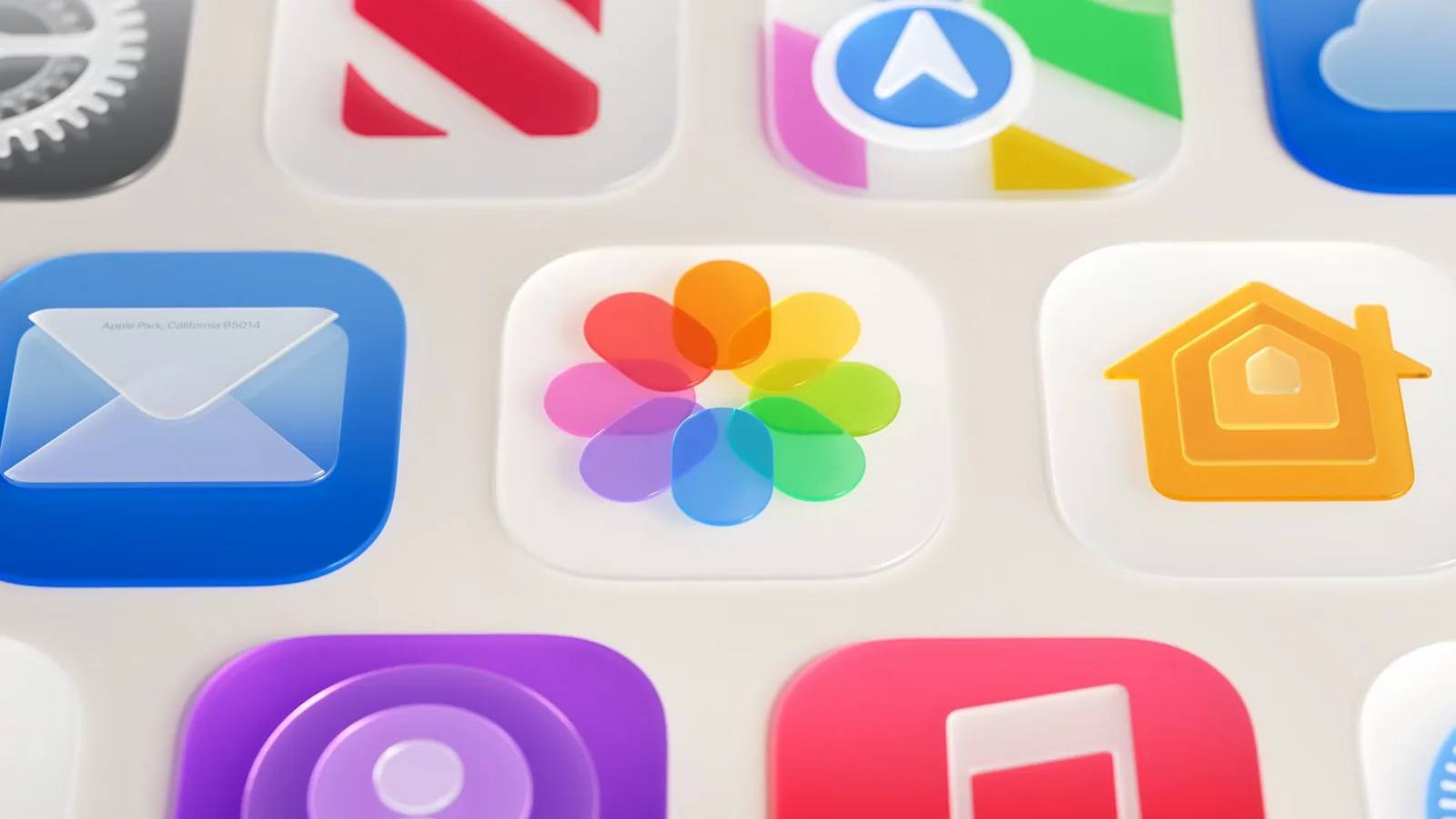
Google's Android operating system will not be adopting a "Liquid Glass" design inspired by Apple, according to Android president Sameer Samat. The statement comes in response to user-generated mockups and speculation fueled by a teaser video for The Android Show: I/O, which depicted the Android mascot becoming translucent.
The teaser, showing the Android mascot pulling a light switch and turning see-through, led some users to believe that Google was planning a significant iOS-like design overhaul for Android. While Google's Pixel devices run on its Android OS, the company licenses Android to numerous other manufacturers, including Oppo, Xiaomi, and Samsung, who have at times incorporated design elements similar to Apple's aesthetic.
Apple first introduced its "Liquid Glass" design language with iOS 16, followed by its integration across iPadOS, macOS, watchOS, and tvOS, aiming for a unified visual experience. This design shift has been a notable change for Apple users, though its reception has been mixed.
Material Design Evolution
Google, meanwhile, has been committed to its own design philosophy, Material Design, since its introduction in 2014. The system has undergone several updates, with the latest iteration, Material 3 Expressive, launched in 2025. This update brought more natural, fluid animations and dynamic color themes to the Android experience. Despite Samat's direct denial of adopting Apple's specific "Liquid Glass" look, industry rumors persist that Google is indeed exploring increased translucency and frosted glass effects for future Android versions. The company is expected to reveal more details about Android 17, potentially including these visual enhancements, on May 14, 2026.
This decision by Google highlights a divergence in design philosophies between the two major mobile operating systems. While Apple seeks a cohesive, visually distinct interface, Google appears to be iterating on its established Material Design principles, possibly incorporating elements of transparency and blur without a complete paradigm shift. The ongoing development of Android 17 will be closely watched by both developers and users for further insights into Google's design direction.