
Google Unveils Gemini Laptops, New Widgets, and Android Updates
Google announced new Gemini-powered laptops called "Googlebooks," customizable vibe-coded widgets, and significant Android updates, including Gemini integration across apps and Chrome.

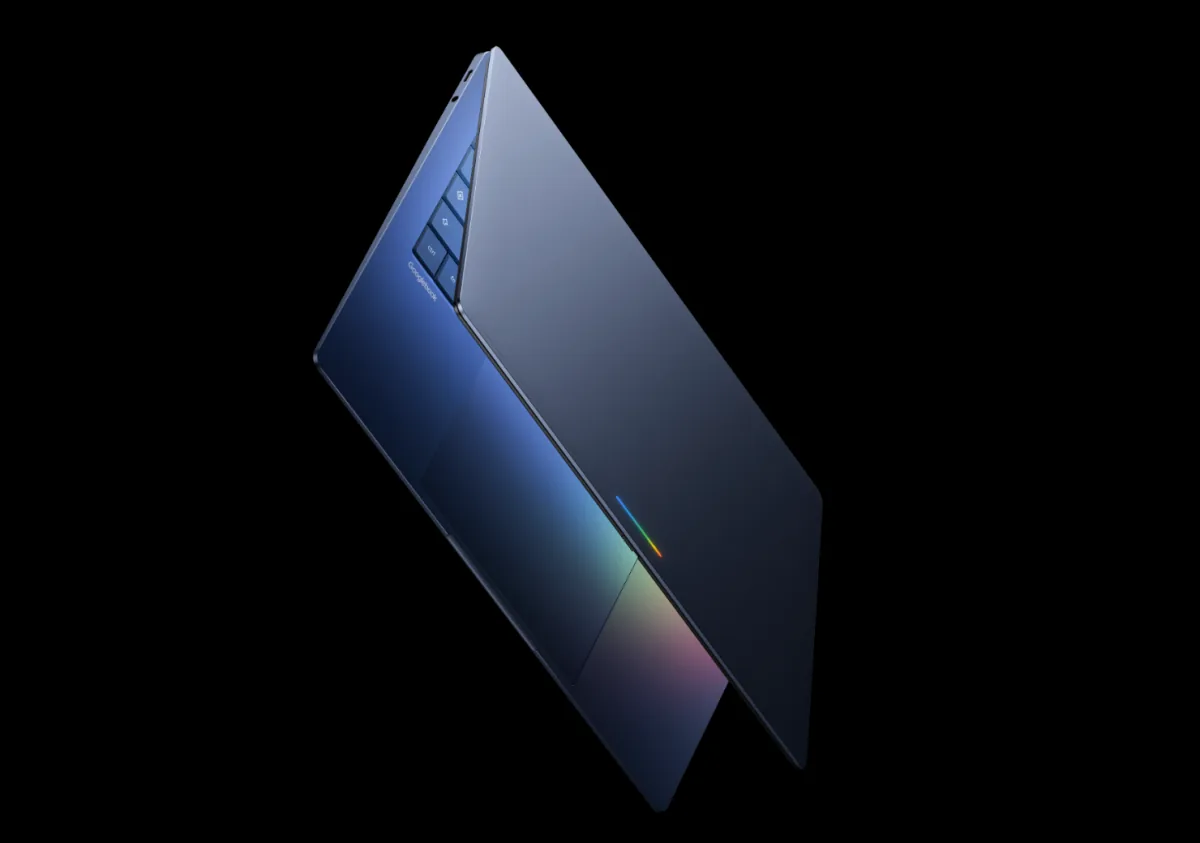
Google showcased a suite of upcoming features and hardware at its virtual "Android Show: I/O Edition" on Tuesday, signaling a strong push towards artificial intelligence integration across its ecosystem. The announcements, timed ahead of its annual developer conference, included new AI-powered laptops dubbed "Googlebooks," innovative widget capabilities, and enhancements to Gemini Intelligence, Chrome, and Android Auto.
Leading the hardware revelations are the new Googlebooks, a line of laptops built with Gemini AI at their core. Collaborating with partners such as Acer, Asus, Dell, HP, and Lenovo, Google aims to deliver laptops designed from the ground up for AI assistance. These devices, slated for a fall release, will feature "Magic Pointer," a Gemini-integrated cursor, seamless Android phone app integration, and the ability to create custom widgets.
Further expanding widget functionality, Google introduced "Create My Widget." This feature will allow users to design custom widgets using natural language prompts, initially launching on Samsung Galaxy and Google Pixel phones this summer. For example, a user could request a widget for weekly high-protein meal prep recipes, which would then be generated and resizable on the home screen.
Android Auto and Emoji Updates
Android Auto is set to receive a significant refresh, offering enhanced personalization, new widgets for at-a-glance information, and an edge-to-edge display experience adaptable to various screen shapes. Media applications like YouTube Music and Spotify will also feature redesigned interfaces for easier in-car use. Notably, Android Auto will support 60fps full HD video playback for the first time later this year in select vehicles from manufacturers including BMW, Ford, and Mercedes-Benz. Gemini is also rolling out broadly on Android Auto, enabling hands-free assistance for tasks like asking questions and brainstorming. Food ordering integration with DoorDash is also planned.
In a visual update, all 4,000 Android emojis are being refined for greater expressiveness and realism, with the enhanced versions launching later this year.
For content creators, Android is introducing "Screen Reactions," a feature that simultaneously records the user and their screen, similar to formats popular on TikTok and Instagram Reels, starting with Pixel devices this summer. Google also partnered with Meta to bring advanced Instagram features like Ultra HDR and native stabilization to Android devices. New tools for Meta’s Edit app, exclusively on Android, will include "smart enhance" for photo upscaling and "sound separation" for audio manipulation.
Gemini Intelligence is gaining more agentic capabilities, allowing it to perform multi-step functions across different applications. This could enable users to, for instance, take a photo of an event flyer and have Gemini find event details on booking sites, or ask it to build a shopping cart from a grocery list displayed on screen.
Gemini is also coming to Chrome on Android, following its availability on iOS and desktop. This integration will allow users to summarize web content and interact with webpages directly. An experimental auto-browse feature will enable Gemini to navigate websites and complete tasks like booking tickets autonomously. Furthermore, Gemini will leverage data from Personal Intelligence to assist users in filling out complex forms on mobile devices through an opt-in feature.
Google is enhancing Gboard with a new dictation feature called Rambler, which transcribes speech into clean text, removing filler words and correcting verbal stumbles. The company is also expanding its Quick Share functionality, initially introduced for Pixel phones to share with iPhones, to all Android users globally. This improved sharing will also extend to QR code generation for non-compatible devices and integration within apps like WhatsApp.
Easier iPhone to Android transfers are also on the horizon, with a new feature designed to import passwords, photos, messages, apps, contacts, and home screen layouts from iPhones to new Android devices, launching on Samsung Galaxy and Google Pixel phones this year.
To promote digital wellbeing, Android is introducing "Pause Point," a feature that prompts a 10-second break before launching apps designated as distractions, offering users a moment to reconsider their choices. Lastly, Google is strengthening its default-on theft protections for all Android users globally. These enhanced security features, including Remote Lock and Theft Detection Lock, will be automatically enabled on new and reset devices, with improved measures against PIN and password guessing and faster IMEI access for law enforcement.