
Googlebook: Leaked Video Shows New Android Laptop OS
A leaked 16-minute video has reportedly revealed Googlebook, a new Android-powered laptop operating system from Google. The platform, codenamed "Aluminium OS," appears to be a successor to Chromebooks.

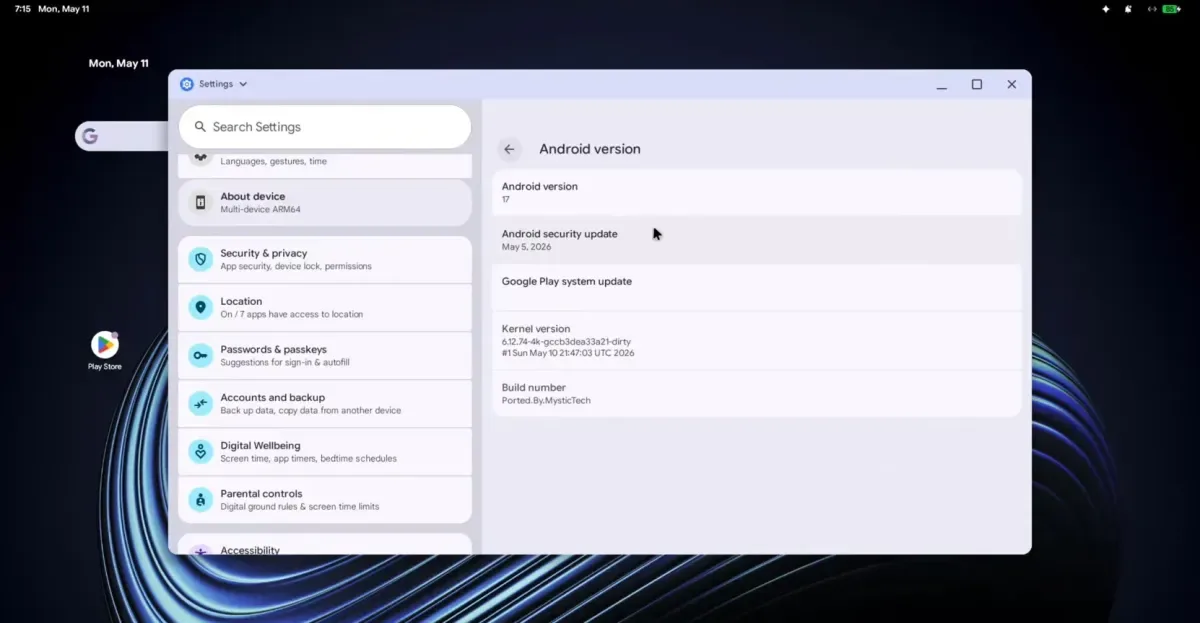
A leaked 16-minute video has reportedly showcased Googlebook, a new laptop operating system developed by Google. The platform, internally codenamed "Aluminium OS," appears to be a significant evolution from its predecessor, the Chromebook, and signals Google's renewed push into the laptop hardware market.
The video, which surfaced online, offers an extensive look at the user interface and functionalities of Googlebook. It suggests a deep integration with Google's AI advancements, particularly its Gemini models. This new OS is expected to power a new line of laptops, potentially branded as "Googlebooks," aiming to compete directly with established players in the laptop sector.
Google's previous foray into laptop operating systems with ChromeOS, powering Chromebooks, found a niche in educational and budget-conscious markets. However, the introduction of Googlebook, with its purported Android foundation and AI focus, suggests a broader ambition. The platform seems designed to offer a more robust and versatile computing experience, potentially blurring the lines between traditional laptops and more powerful mobile devices.
AI Integration at the Core
A key highlight of the leaked footage is the apparent emphasis on artificial intelligence. Sources suggest that Googlebook is built from the ground up to leverage AI capabilities, with Gemini expected to play a central role in enhancing user productivity and interaction. This move aligns with Google's broader strategy to embed AI across all its products and services. The goal appears to be creating a seamless and intelligent user experience that anticipates needs and streamlines tasks.
The implications of a fully Android-based laptop OS from Google are substantial. It could provide developers with a more unified platform, potentially leading to better app compatibility and performance on laptops. For consumers, it might mean access to a wider range of applications currently exclusive to Android devices, all within a familiar laptop form factor. The potential for enhanced multitasking and a richer multimedia experience is also a key expectation.
The return to a more dedicated laptop platform by Google comes at a time when the personal computing market is constantly evolving. While tablets and smartphones offer portability, many users still rely on laptops for intensive work, creative tasks, and immersive entertainment. Googlebook, if it lives up to its potential, could offer a compelling alternative, blending the power of a traditional laptop with the flexibility and app ecosystem of Android, all supercharged by cutting-edge AI.