
Google Chrome Adds Magic Pointer AI Feature From New Googlebook Laptops
Google's new Magic Pointer AI, a standout feature from its upcoming Googlebook laptops, is now rolling out to Google Chrome on Windows and Mac. The tool uses your cursor to understand on-screen context and suggest actions.

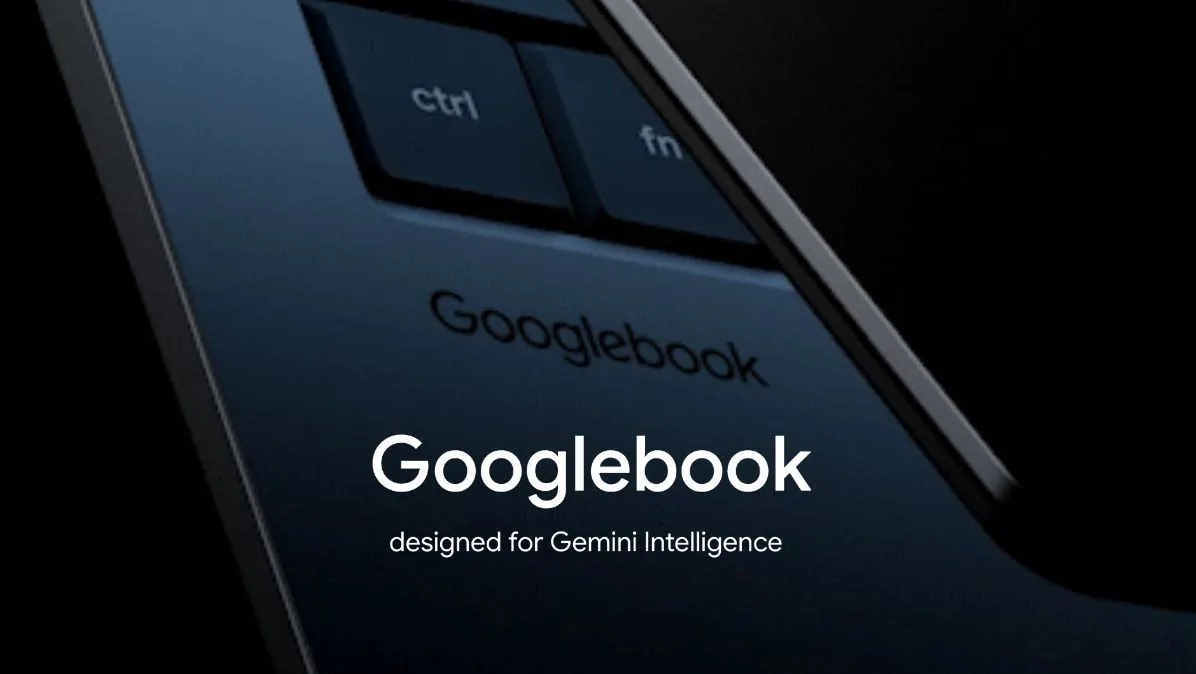
Google's innovative Magic Pointer AI feature, initially showcased with the new Googlebook laptops, is now being extended to Google Chrome users on desktop platforms, including Windows and Mac devices. This AI-powered tool transforms the cursor into a contextual assistant, understanding what is under the pointer on a webpage and suggesting relevant actions.
Announced as a key capability of the new Googlebook lineup, which Google describes as laptops built around an "intelligence system" with deep Gemini integration, Magic Pointer allows users to interact with content in a novel way. By simply wiggling the cursor on screen, the feature activates, enabling Gemini to interpret the on-screen element. For instance, hovering over an email could prompt suggestions for calendar event creation, or pointing to two images might lead to options for combining them.
While the Magic Pointer was a highlight for the new Googlebook hardware, Google has confirmed its broader availability. In a blog post, the company stated, "Starting today, instead of writing a complex prompt, you can now use your pointer to ask Gemini in Chrome about the part of the webpage you care about." This expansion means users can select products to compare or visualize furniture placement directly within their browser without complex commands.
Expanding AI Capabilities Beyond New Hardware
The rollout of Magic Pointer to Google Chrome on desktop significantly broadens the reach of this advanced AI functionality. Previously, such features were often exclusive to new hardware releases. However, Google's decision to integrate Magic Pointer into its widely used browser suggests a strategy focused on enhancing the existing user experience across its ecosystem. This move could potentially lessen the perceived necessity of purchasing new Googlebook devices solely for this AI capability, as users can already leverage it on their current Windows PCs and Macs.
Google has not yet provided specific details regarding the rollout regions or the exact user base that will receive access to Magic Pointer in Chrome. However, with the official announcement, more information is anticipated soon. Industry analysts suggest an initial launch targeting English-speaking markets, such as the United States, with potential for certain advanced functionalities to be tiered behind subscription services like Google AI Pro or AI Ultra. This tiered approach is common for advanced AI features, allowing Google to monetize its development while offering basic functionality broadly.
The Magic Pointer represents a significant step in making AI more intuitive and accessible. By shifting interaction from typed prompts to cursor-based context awareness, Google aims to streamline workflows and enhance user productivity. This development is part of a larger trend in the tech industry toward more integrated and context-aware AI assistants that anticipate user needs and provide proactive support. As Google AI continues to evolve, features like Magic Pointer are likely to become standard, reshaping how users interact with digital information and applications.