
GrapheneOS Expands to Motorola Foldables, Enhancing Privacy
GrapheneOS, a privacy-focused Android variant, will soon offer support for select Motorola foldable devices, expanding its reach beyond Google's Pixel phones.

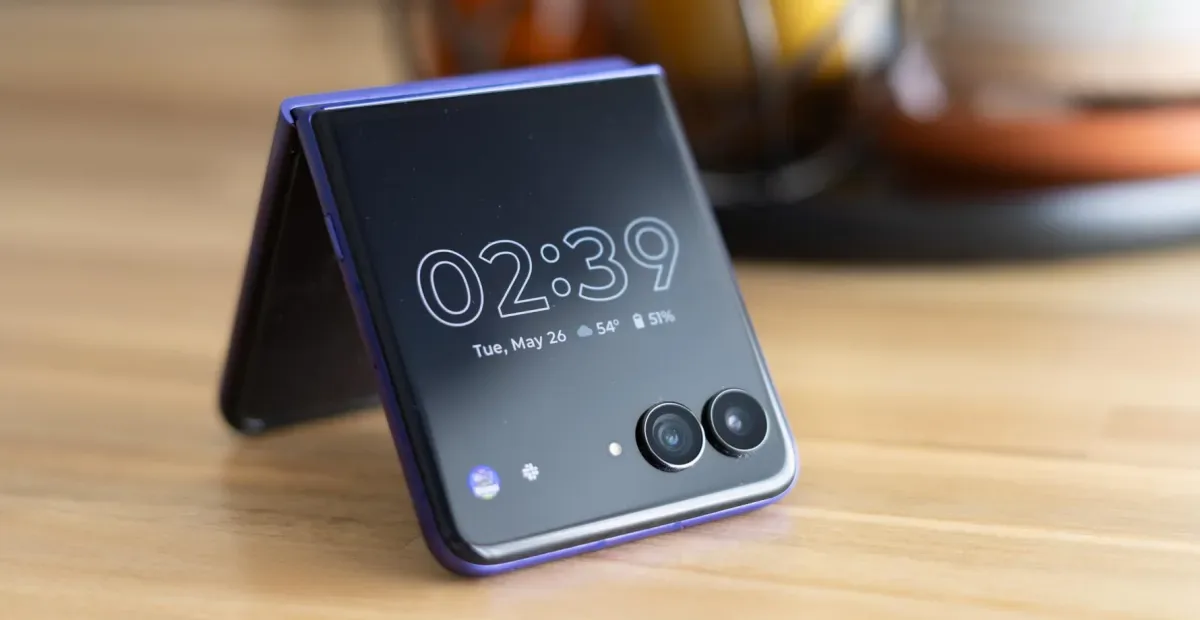
GrapheneOS, a highly regarded open-source mobile operating system known for its robust privacy and security features, is set to expand its availability to include certain Motorola foldable smartphones. This move, slated for release next year, will allow users of devices like the Motorola Razr series to leverage GrapheneOS's enhanced privacy protections, a significant departure from the standard Android experience.
Previously, GrapheneOS was exclusively available for Google Pixel devices, limiting its adoption to a specific hardware ecosystem. The expansion to Motorola foldables marks a strategic effort by the GrapheneOS project to broaden its user base and offer its unique security model on a wider range of premium hardware. The project also confirmed upcoming support for Google's Pixel 11, indicating a continued commitment to supporting the latest Pixel releases.
Privacy and Security at the Forefront
GrapheneOS distinguishes itself from conventional Android through a suite of advanced security measures and a commitment to user privacy. It removes Google Play Services by default, offering an alternative sandboxed Google Play implementation for users who require them, but with stricter permissions and isolation. This approach significantly reduces the device's attack surface and minimizes data collection by Google and third-party applications. The operating system also incorporates numerous hardened features, such as memory error detection, exploit mitigations, and network permission controls, making it a top choice for security-conscious individuals. The decision to support Motorola foldables, which often feature distinct hardware configurations, presents a new challenge and opportunity for the GrapheneOS development team.
The move to support third-party hardware beyond Pixel devices has been a long-requested feature by the GrapheneOS community. While the exact models of Motorola foldables that will receive support have not yet been detailed, it is anticipated that devices with compatible chipsets and hardware architectures will be prioritized. This expansion could signal a future where GrapheneOS is available on an even wider array of smartphones and potentially tablets, further challenging the dominance of standard Android and iOS in the mobile operating system market.
GrapheneOS is not merely a privacy-hardened version of Android; it represents a significant re-engineering effort focused on security by default. The project's lead developer, Daniel Micay, has consistently emphasized the importance of a secure foundation and has been a vocal critic of the security practices of many major tech companies. The addition of GrapheneOS to Motorola's foldable lineup is expected to bring a new level of privacy to users who have been seeking more secure alternatives to mainstream smartphones. This development underscores a growing trend towards greater user control and data protection in the consumer electronics space.