
iOS 27: Users Want Better iPhone Settings, Clipboard Over AI
As Apple gears up for iOS 27, many users are hoping for practical improvements like a streamlined Settings app and clipboard history, rather than just flashy AI features.

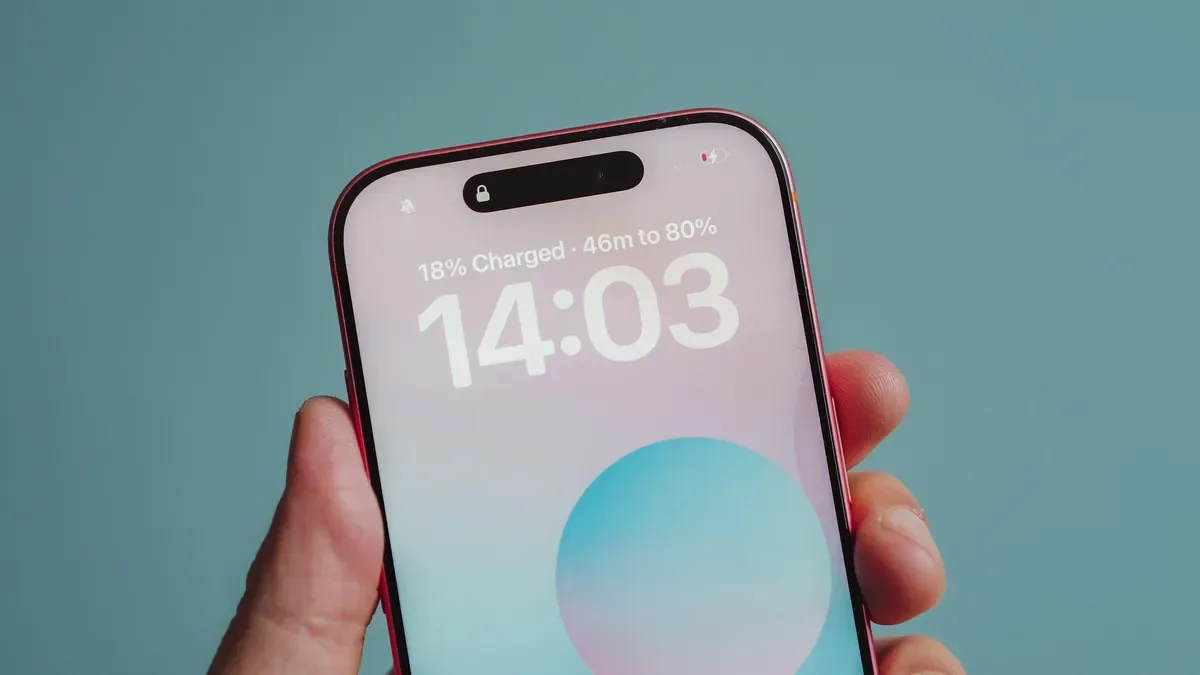
As Apple prepares to unveil its latest software advancements at the upcoming Worldwide Developers Conference (WWDC) on June 8, 2026, the tech giant is expected to heavily feature artificial intelligence integration across its ecosystem. Rumors, notably from Bloomberg's Mark Gurman, suggest significant updates for Siri, the Camera app, Safari, and the Weather app, all under the umbrella of what Apple is calling "Apple Intelligence." However, a growing sentiment among users prioritizes practical, everyday usability improvements over more complex AI functionalities. Many are calling for a focus on refining existing features to reduce user friction and enhance the overall iPhone experience.
One of the most frequently cited areas for improvement is the iPhone's Settings app. Over time, it has evolved into a complex and often labyrinthine interface where finding specific controls can feel like an arduous task. Users report that essential settings are frequently buried under multiple menus, requiring a deep knowledge of the iOS architecture or extensive searching. Even the built-in search function within Settings can be ineffective if the user does not know the precise name of the setting they are looking for. The desire is for a more intuitive and accessible system, perhaps leveraging natural language processing, that allows users to locate and adjust features with simple, plain-language queries.
Streamlining User Experience
Beyond the Settings app, a significant demand is for a robust clipboard history feature. Current iPhone behavior dictates that copying new content immediately overwrites any previously copied material, leading to frustration when a user needs to retrieve an earlier piece of information. For a device that stores years of personal data, this lack of short-term memory for copied items is seen as a notable deficiency. Implementing a persistent clipboard history, similar to what is available on other platforms, would allow users to access a recent selection of copied text, links, or even images. Naturally, privacy concerns regarding sensitive data like passwords or financial information would need careful consideration and robust security measures, but proponents argue that Apple's established privacy frameworks are well-suited to address these challenges.
Another critical area for enhancement is the management of notifications. While iOS offers a wide array of customization options, users often find themselves overwhelmed by the sheer volume and irrelevance of alerts. The current system tends to treat all notifications from an app as a single entity, making it difficult to distinguish between urgent transactional alerts (like delivery updates or bank warnings) and promotional or engagement-baiting messages. A system-level categorization of notifications would empower users to filter content more effectively, ensuring they receive important information without being inundated by less critical alerts. This would allow for a more focused and less distracting user experience, a stark contrast to the current model where users often resort to broad on/off switches or cumbersome Focus modes.
While the integration of advanced AI features like AI-powered Siri enhancements and image generation tools are undoubtedly exciting prospects for the future of iOS, many users feel that addressing these more fundamental usability issues would provide more immediate and widespread benefits. The best iPhone updates, as experienced in the past, often solve minor, persistent annoyances that users had learned to live with. For iOS 27, the call is for Apple to focus on making the powerful device already in hand more intuitive and less irritating, proving that true innovation can also lie in the subtle refinement of everyday interactions.