
NotebookLM's Top 5 AI Features for Research and Learning
Google's NotebookLM enhances research with AI-powered video overviews, slide deck generation, intelligent source discovery, audio summaries, and customizable notebooks. These five features streamline information processing for students and professionals.

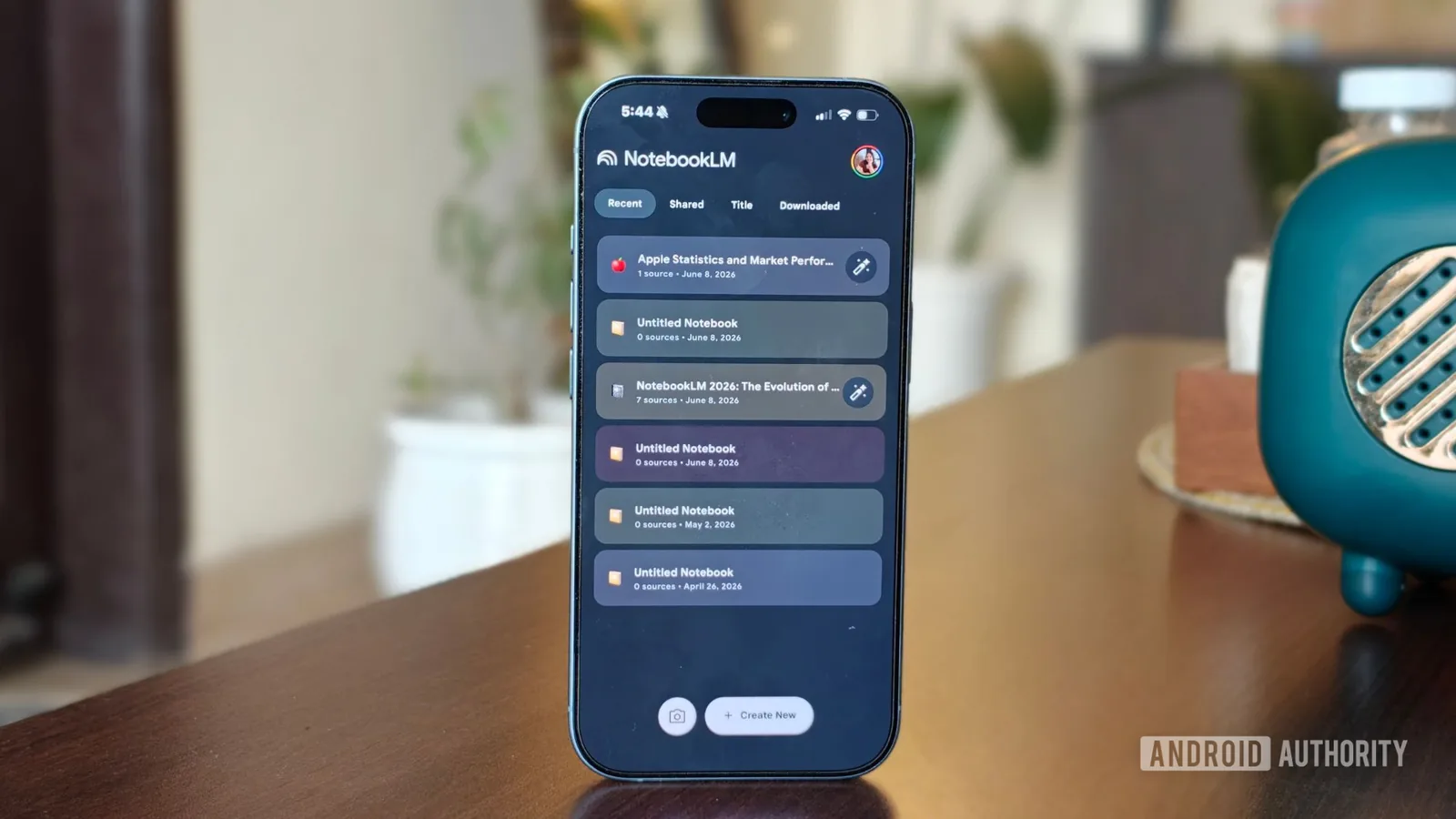
Google's NotebookLM is evolving beyond a simple research companion, offering advanced AI features that help users untangle complex ideas and process information more efficiently. Originally a tool for dumping documents and asking questions, NotebookLM has since expanded its capabilities to include video overviews, slide deck creation, intelligent source discovery, audio summaries, and customizable notebook settings, becoming an integral part of workflows for many users.
One of the most impactful features for quickly grasping dense material is the Video Overview. After uploading source documents, users can generate a short video that breaks down complex topics into easily digestible visual explanations. This has proven invaluable for students, like the author, who used it to clarify dense concepts for a psychology thesis, making revision more effective. It also extends to practical uses, such as transforming lengthy recipe blog posts into visual guides for those who prefer watching over reading, akin to recipe reels on social media.
Streamlining Information Processing with AI
Another standout feature is the Slide Deck generator. By uploading various source materials, including PDFs, documents, and YouTube videos, NotebookLM can create a structured presentation draft grounded in the provided research. This capability is particularly useful for students facing frequent presentation deadlines. For instance, it has helped a nephew assemble school presentations rapidly, providing a solid starting point to refine rather than build from scratch, especially when under time pressure. This feature allows users to maintain control over the final structure and tone while offloading the time-consuming initial draft to the AI.
The Discover Sources feature has significantly reduced the initial research burden. Instead of manually gathering all necessary articles and PDFs, users can now simply input a topic into a notebook, and NotebookLM will suggest relevant sources. Critically, the tool does not automatically add these to the notebook; users can review and select which ones to import. This approach strikes a balance, allowing AI tools to handle the tedious task of information gathering while the user retains full control over the research content. This selective import ensures the user’s research remains curated and intentional.
For users looking to reduce screen time or consume information passively, Audio Overviews offer a compelling alternative. NotebookLM transforms research notes and documents into podcast-style audio summaries. These feature natural-sounding AI hosts conversing on the topic, making learning engaging during activities like walking or household chores. Users can even set the duration or interact with the hosts by asking questions mid-episode. While conversations can occasionally be lengthy, the ability to stop the audio at any time makes this a flexible way to absorb information without constant screen interaction.
Finally, the ability to Customize Notebooks before starting work significantly influences the AI's response quality. By assigning specific roles to different notebooks—for example, one for concise, factual work summaries and another for simple, explanatory academic content—users can tailor the AI's output to their needs. This customization, done through the 'Customize notebook' option in the Chat panel, involves a brief description of the desired response style. This upfront configuration ensures that the AI's contributions align precisely with the user's immediate objectives, whether it's rapid analysis of multiple sources or in-depth explanation of complex academic subjects.