
iOS 27 Shifts Notification Center Access for 15 Years of iPhone Habits
iOS 27 introduces a significant change to accessing Notification Center on iPhones and iPads, altering a 15-year-old gesture to prioritize Siri AI, with initial user feedback being positive.

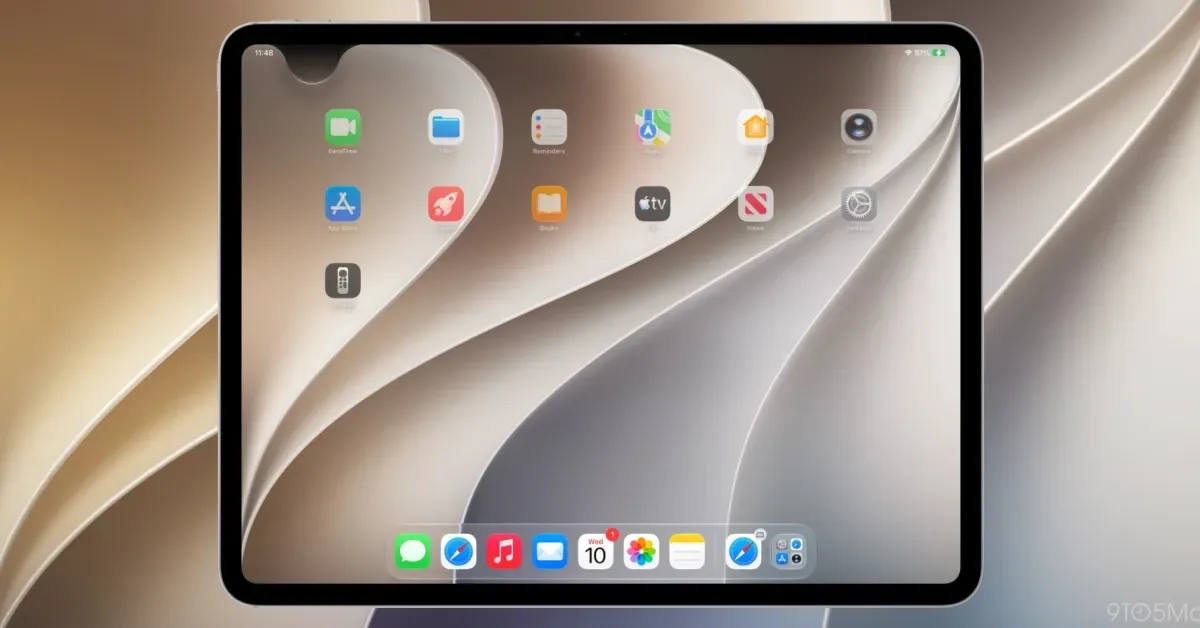
Apple's upcoming iOS 27 update is set to alter a long-standing user interaction on iPhones and iPads, specifically how users access their Notification Center. For the past 15 years, since iOS 5 in 2011, users have relied on a swipe down from the center of the screen's top edge to view alerts. However, with iOS 27, this familiar gesture is being repurposed to launch the enhanced Siri AI, potentially disrupting years of user muscle memory.
While the default behavior for accessing Notification Center remains unchanged on iOS 27 and iPadOS 27, enabling the new Siri AI significantly impacts the gesture. Swiping down from the center of the top edge of the display, previously the gateway to notifications, will now activate Siri. Users will still be able to access their Notification Center, but they will need to swipe down specifically from the top-left corner of the screen. This shift indicates Apple's strong prioritization of its AI assistant, dedicating a substantial portion of the top screen edge to its invocation.
The last major revision to accessing core iOS features came when Control Center transitioned from a bottom swipe-up gesture to a top-right corner swipe-down on the iPhone X. Apple later standardized this across its device lineup. Now, it appears Notification Center is the next feature to be relocated to a more specific corner, mirroring that previous organizational change.
Rethinking Familiar Gestures
On the iPad, the change is particularly pronounced. The area above the home screen app icons is now largely dedicated to invoking Siri AI. The space available for opening Notification Center consequently shrinks, especially if users opt to disable the display of the AM/PM time indicator or the date. This significant alteration to a deeply ingrained gesture, honed over 15 years, raises questions about user adaptation and whether the new Siri experience justifies the change. Early reports, however, suggest a largely positive reception to Apple's revamped Siri AI system, with users finding the updated assistant to be significantly more capable.
The evolution of mobile operating system interfaces often involves balancing innovation with established user habits. Apple's decision to reallocate the Notification Center gesture reflects a broader industry trend towards integrating more advanced AI capabilities directly into core device functions. As AI assistants become more sophisticated and integral to daily digital interactions, interface designers must find ways to make these powerful tools readily accessible without compromising essential existing functionalities. This particular change in iOS 27 will test users' ability to adapt to a new paradigm, moving from a universal gesture for alerts to a more nuanced approach that distinguishes between invoking an AI assistant and viewing notifications.
The success of this transition will likely depend on how seamlessly the new Siri AI performs and how intuitive users find the alternative method for accessing notifications. If the AI proves consistently helpful and the top-left swipe becomes second nature, Apple's gamble on prioritizing AI access could pay off. Conversely, if users find the change frustrating or the AI's capabilities don't meet expectations, it could lead to calls for a rollback or alternative access methods in future updates. The move also highlights the growing importance of gestures and direct manipulation in human-computer interaction, a field constantly being reshaped by technological advancements and evolving user expectations.