
Microsoft Promises Windows 11 Memory Boost for 8GB RAM PCs
Microsoft has confirmed plans to significantly improve Windows 11's memory efficiency, aiming to provide a better user experience on devices with 8GB of RAM.

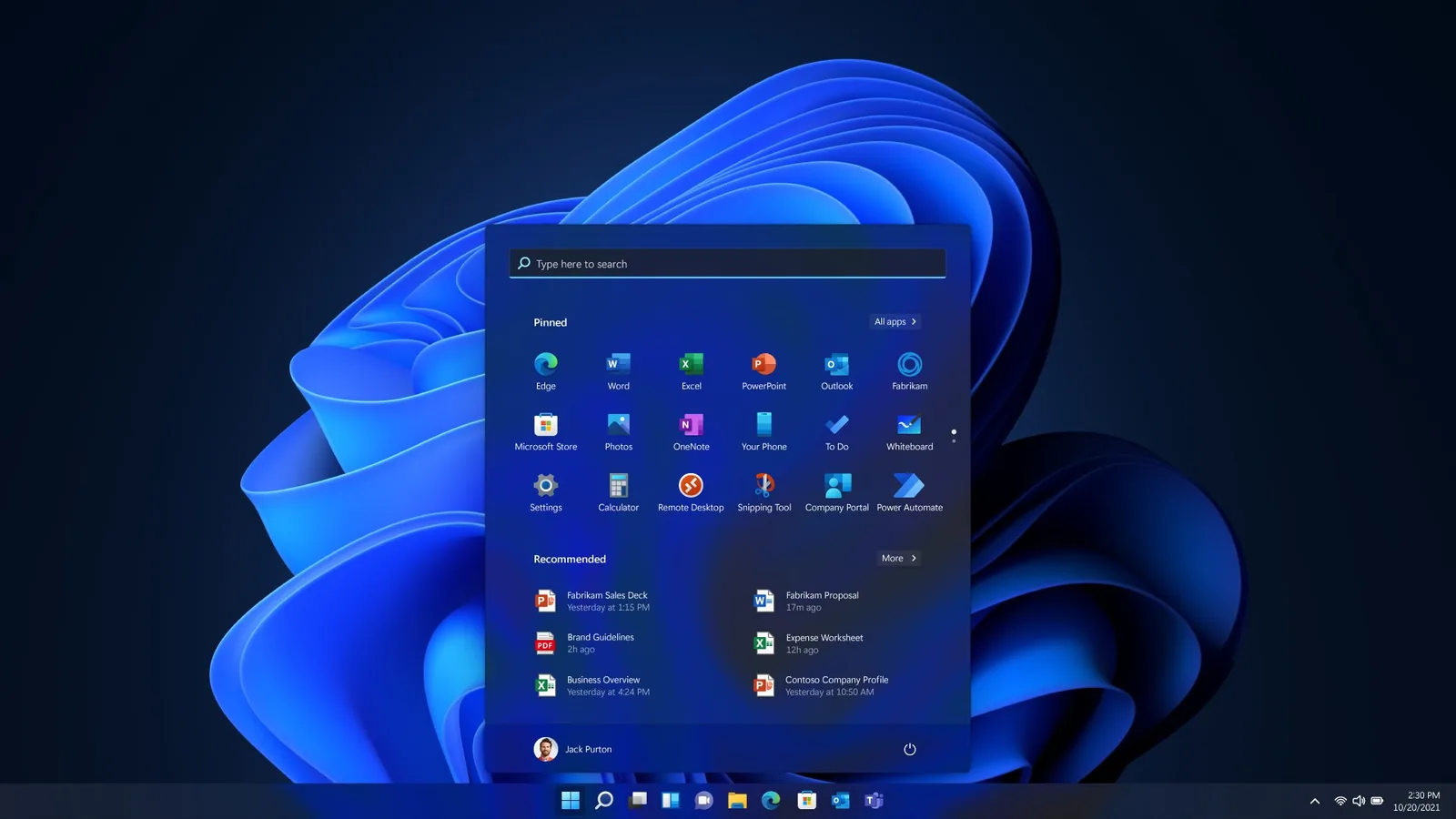
Microsoft has officially announced its commitment to enhancing the memory performance of Windows 11, specifically targeting systems equipped with 8GB of RAM. The move comes as a recognition that the increasing demands of artificial intelligence have made lower memory configurations the new standard for many consumers, leading to a potential shift back to 8GB RAM laptops by manufacturers. Pavan Davuluri, President of Windows and Devices at Microsoft, confirmed the company's dedication to optimizing the operating system, a development expected to alleviate user concerns about performance on less-specced hardware.
The push for better memory management addresses a growing user complaint, particularly as AI applications and services consume substantial system resources. With the supply chain for higher RAM modules facing constraints, many budget-conscious consumers find themselves limited to 8GB configurations. While advanced users can manually tune their systems by disabling startup programs and services, Microsoft's initiative aims to provide a more seamless experience out-of-the-box.
Optimizing for Efficiency
Microsoft's strategy involves reducing the overall memory footprint of Windows 11 before any applications are even launched. "Memory optimization for 8GB and above. Reducing Windows memory footprint to deliver a fast and responsive Windows experience across the PCs customers use every day," the company stated on its website. This initiative extends to tuning the WinUI 3 framework, ensuring that applications built with it consume less RAM by design. Furthermore, Microsoft plans to boost the efficiency of core components like Chromium and WebView2, which are integral to many modern applications and system functions.
These improvements are part of a broader effort to make Windows more accessible and performant on a wider range of hardware. Previous reports highlighted challenges faced by Windows 11 competitors, such as Dell's XPS 13 with 8GB RAM, which reportedly consumed up to 70 percent of its memory without any active programs running. This underscores the necessity for Microsoft to deliver on its promise of enhanced memory efficiency.
The ongoing global chip shortage, projected to persist until at least 2028, means that 8GB RAM configurations are likely to remain prevalent in the market. As demand and supply continue to stabilize, users will need to rely on operating system optimizations to ensure a smooth computing experience. Microsoft's focus on memory efficiency for Windows 11 aims to bridge this gap, making devices with 8GB of RAM a more viable option for everyday tasks and even more demanding applications.